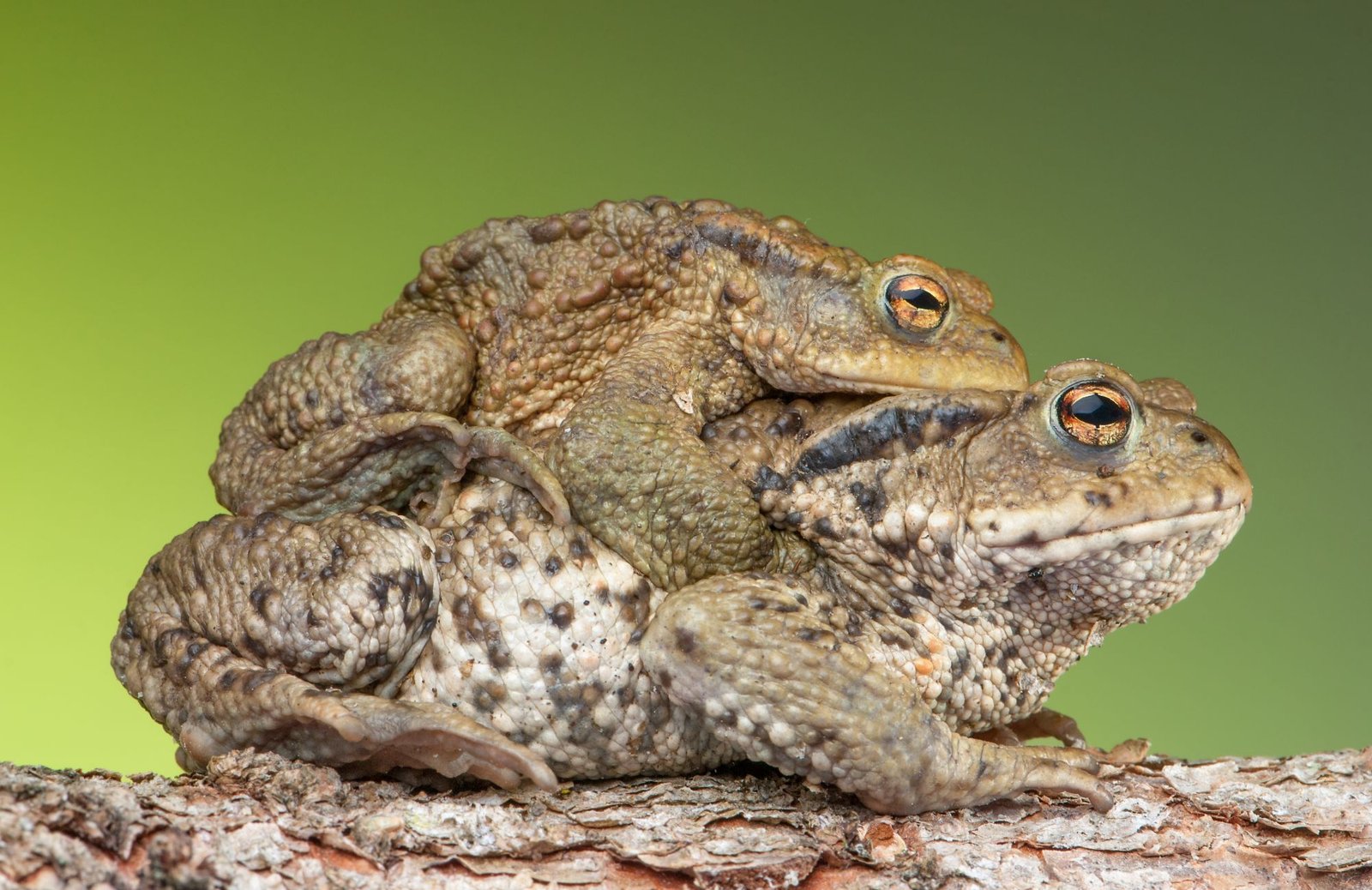
Forty years of data from an alpine pond show that large male common toads are more likely to find and keep a mate, while ageing males lose out, a rare sign of reproductive senescence in amphibians.
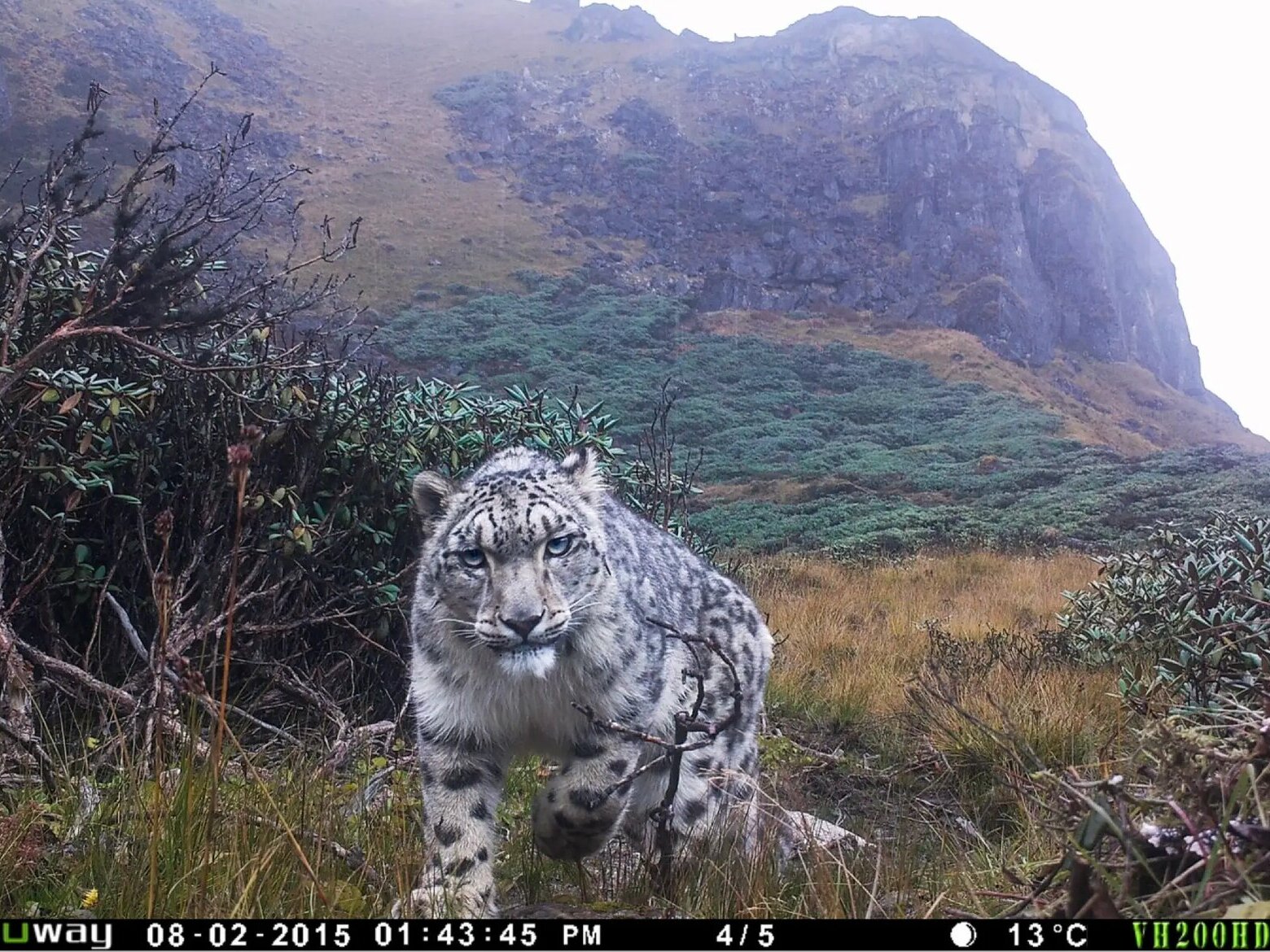
Most people in northern Bhutan are in favour of snow leopards, and most of the species’ habitat lies where it is accepted. A survey of more than 1,000 households also shows where conflict could arise.
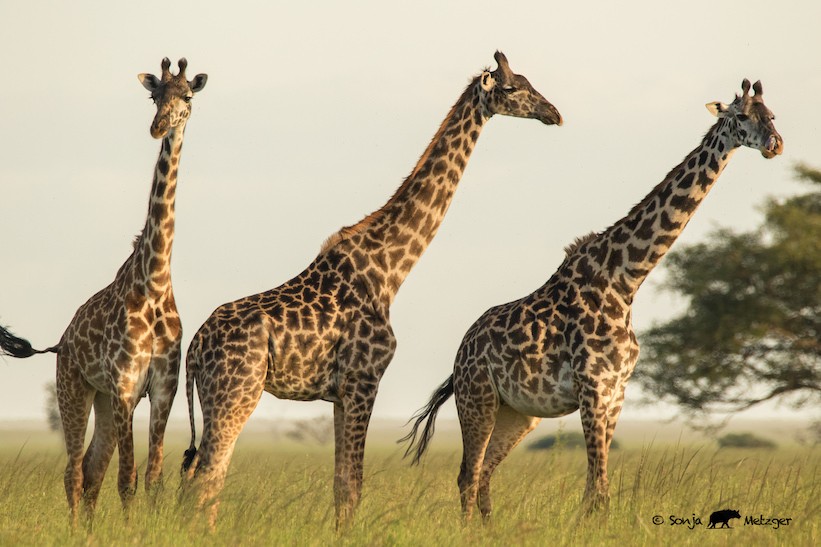
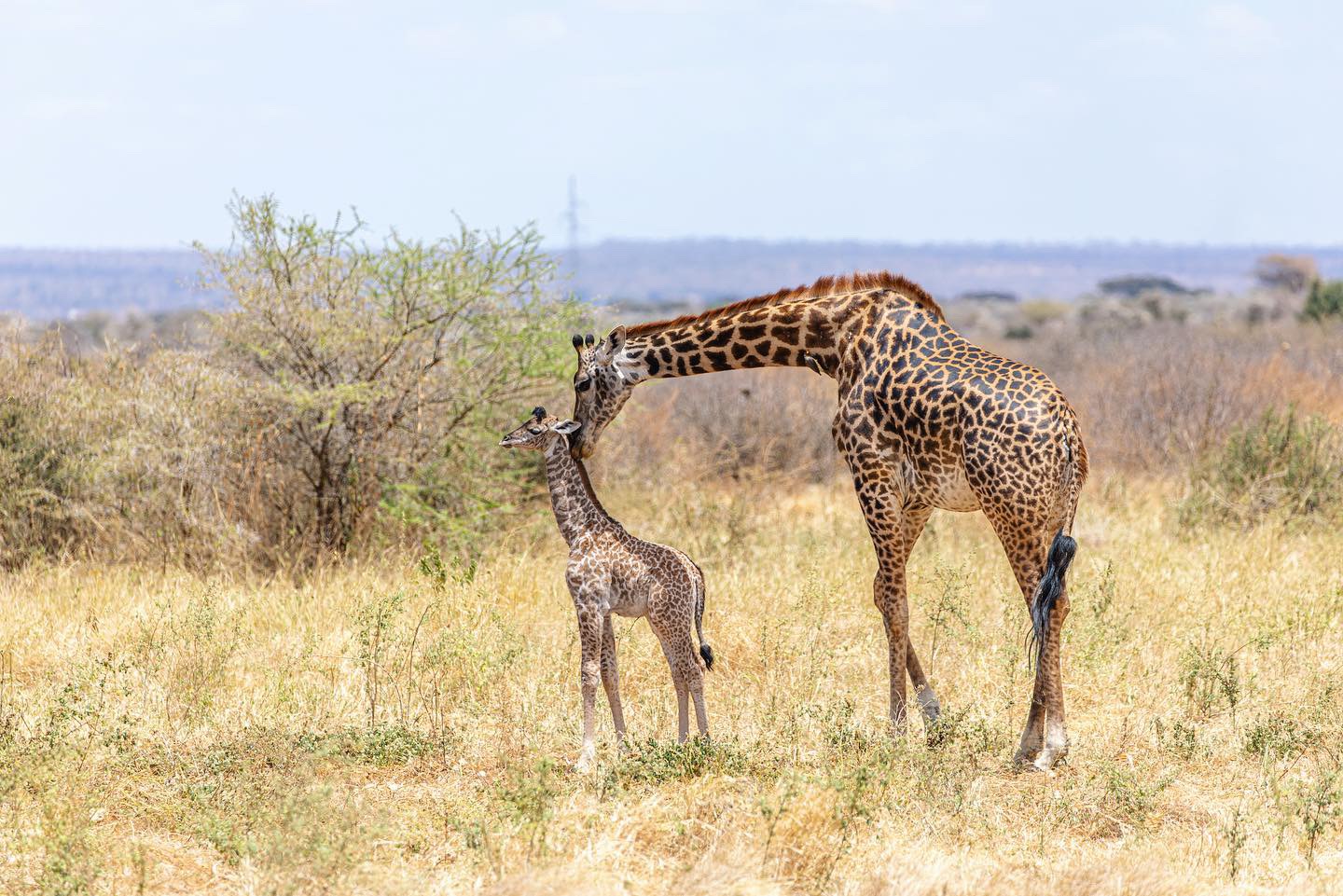
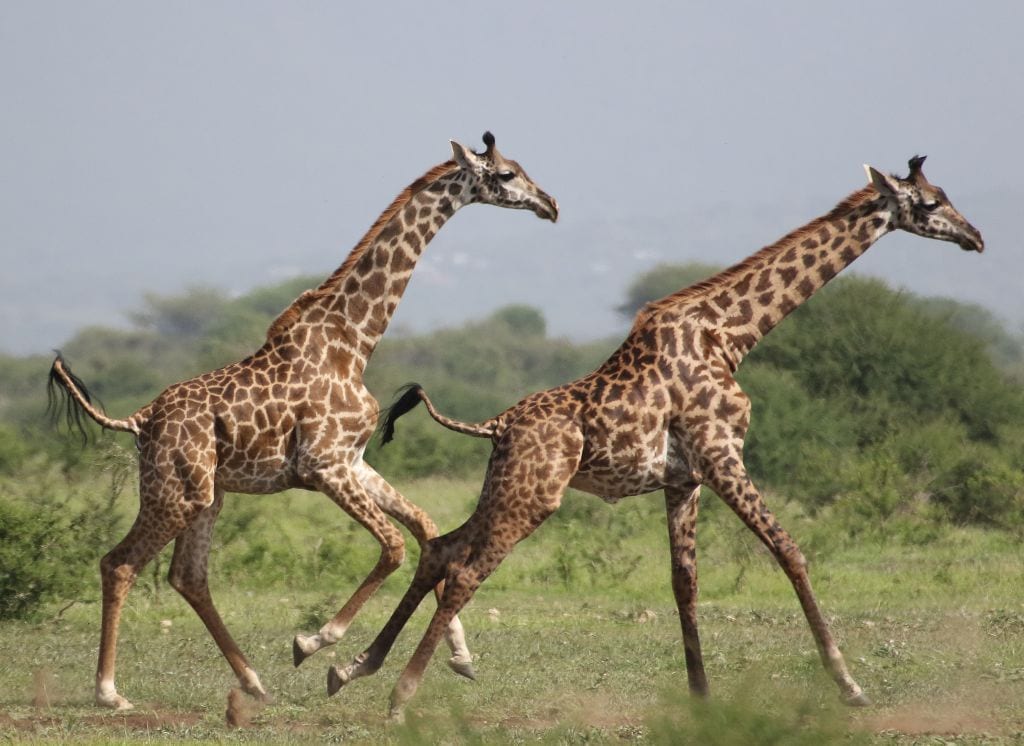
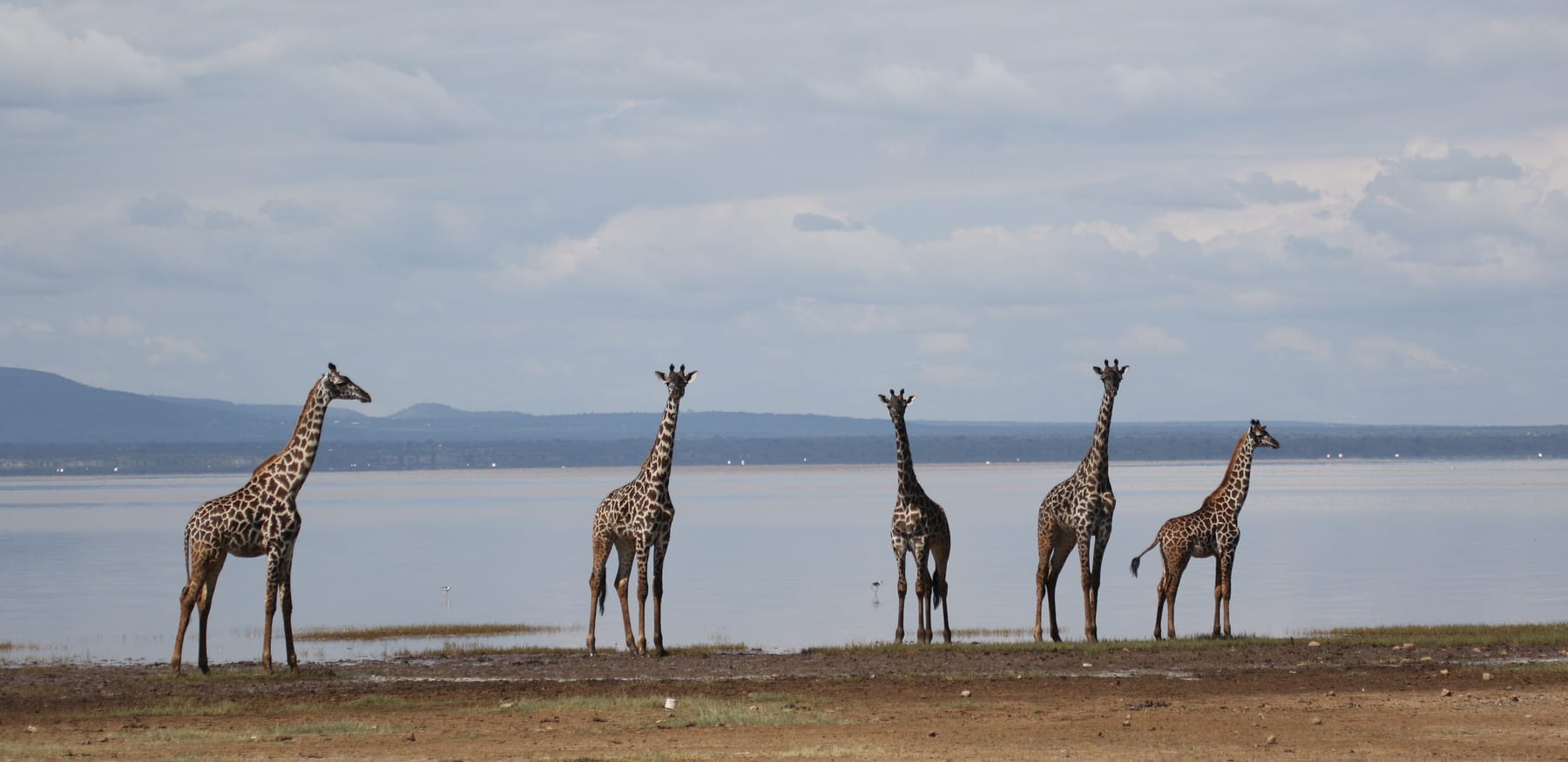
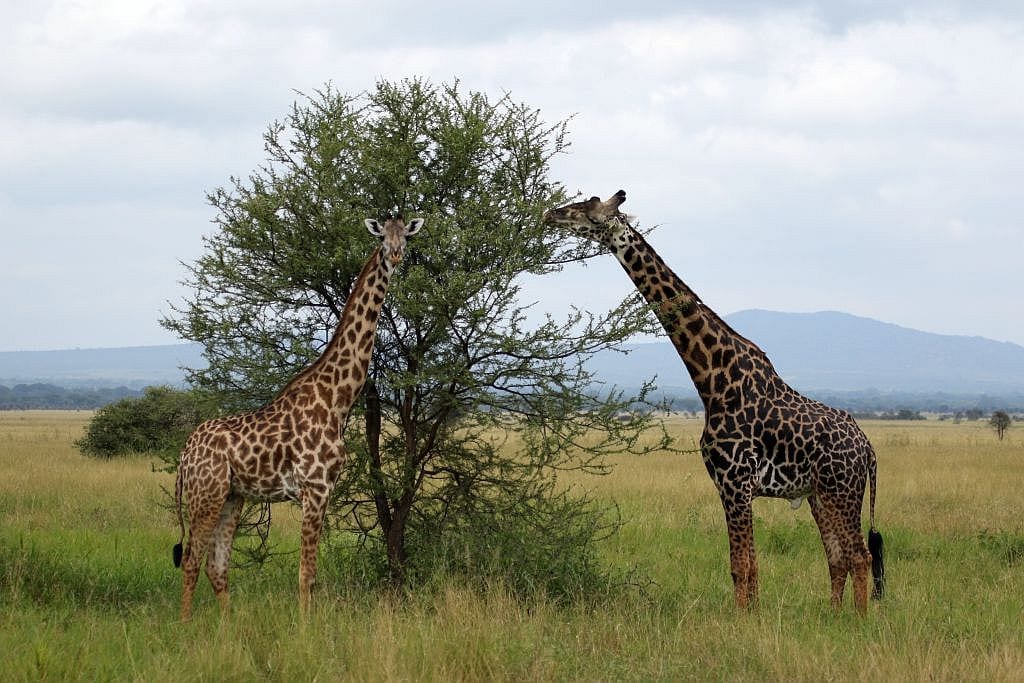
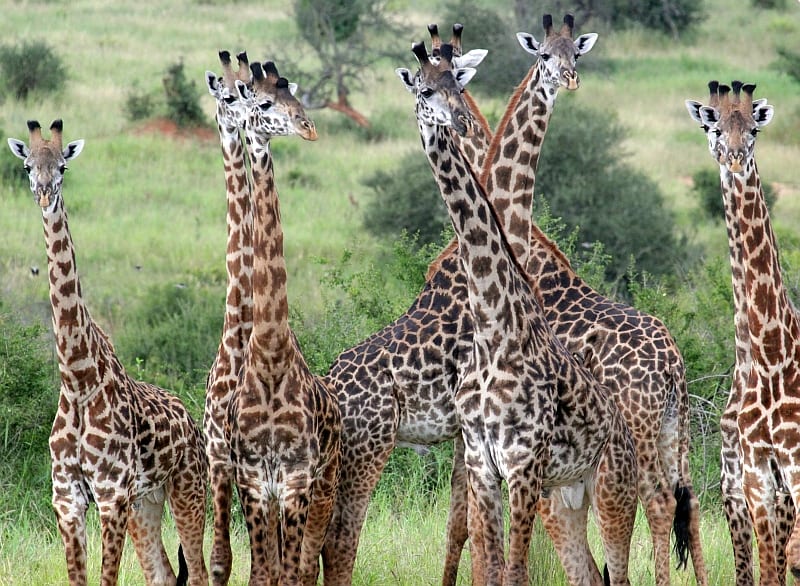
Eight years of photographs of 810 wild Masai giraffes in Tanzania show that the size and shape of a giraffe’s spots are linked to its survival, and that unusually hot or cold seasons change which spots do best.
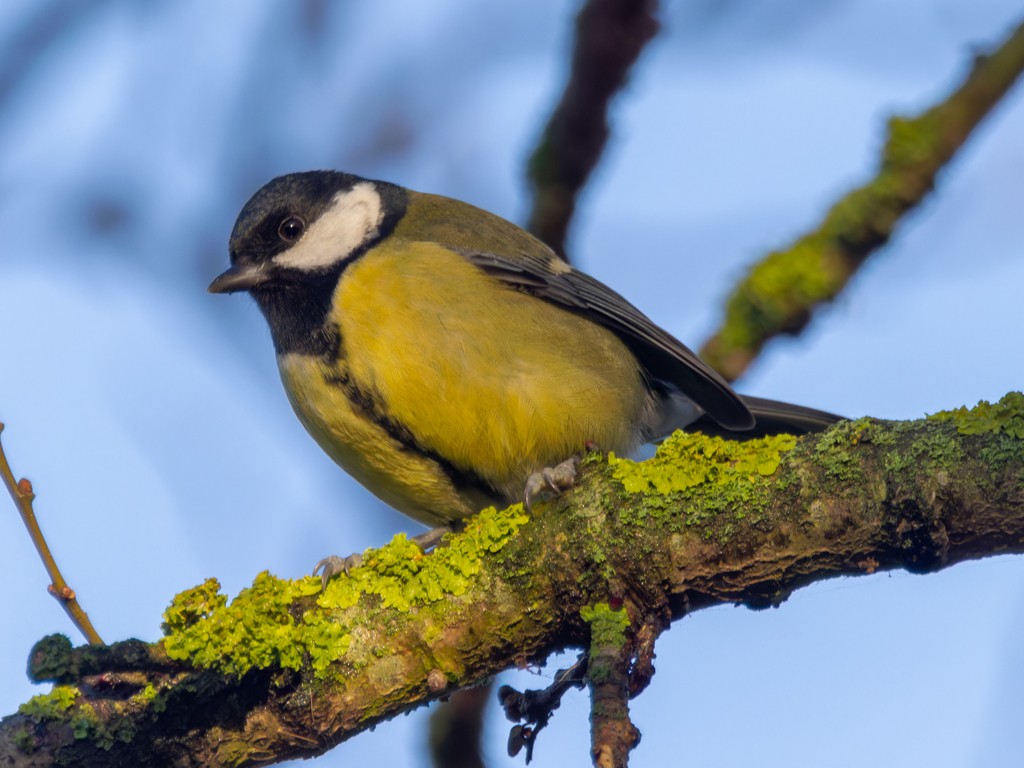
Using 58 years of data from Wytham Woods, we show that heavier chicks are more likely to join the breeding population only when conditions in spring are harsh.
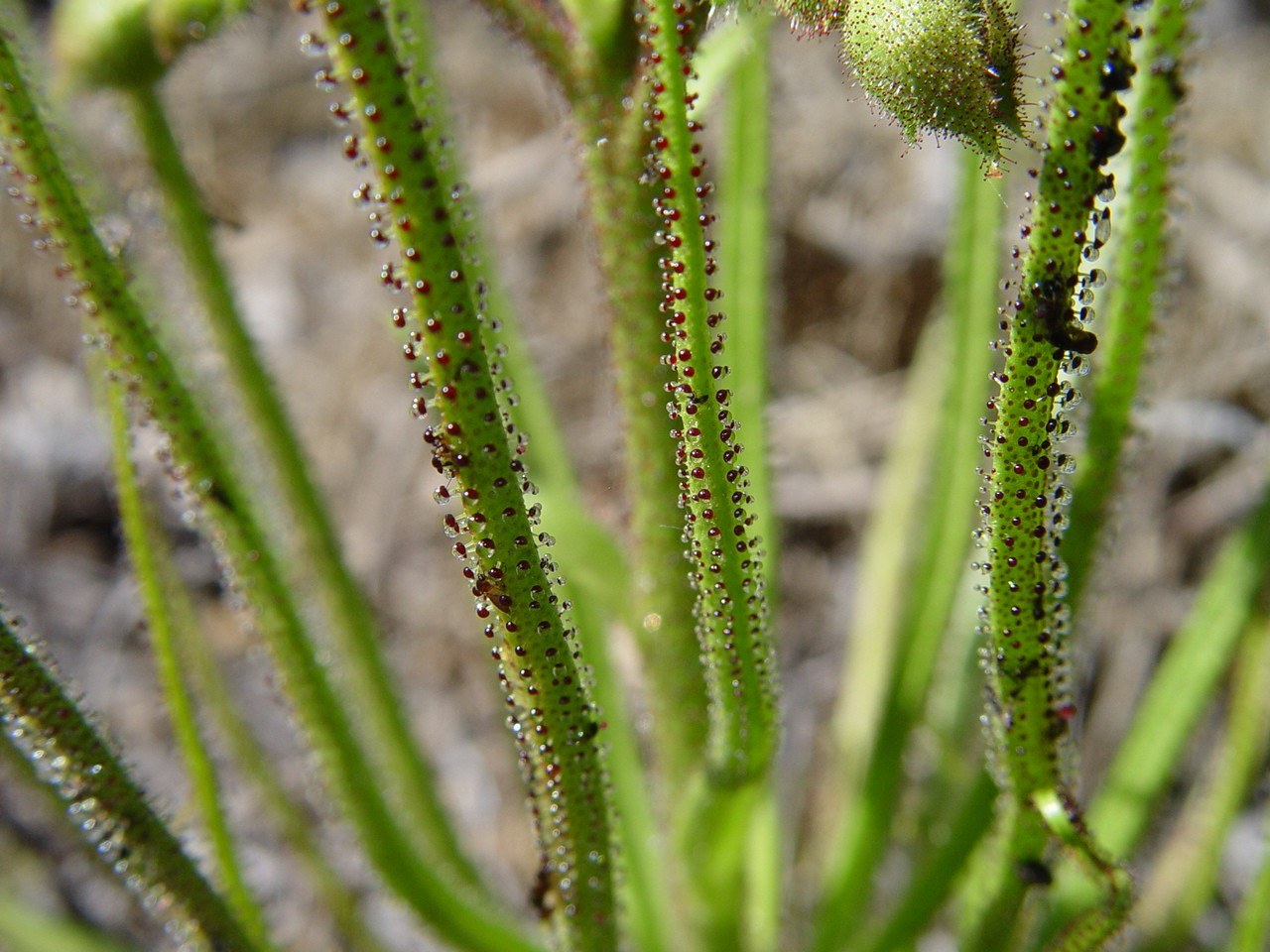
Hotter summers lower the survival of the dewy pine, a carnivorous Mediterranean shrub. Where people have changed its habitat, populations may not survive the coming decades.
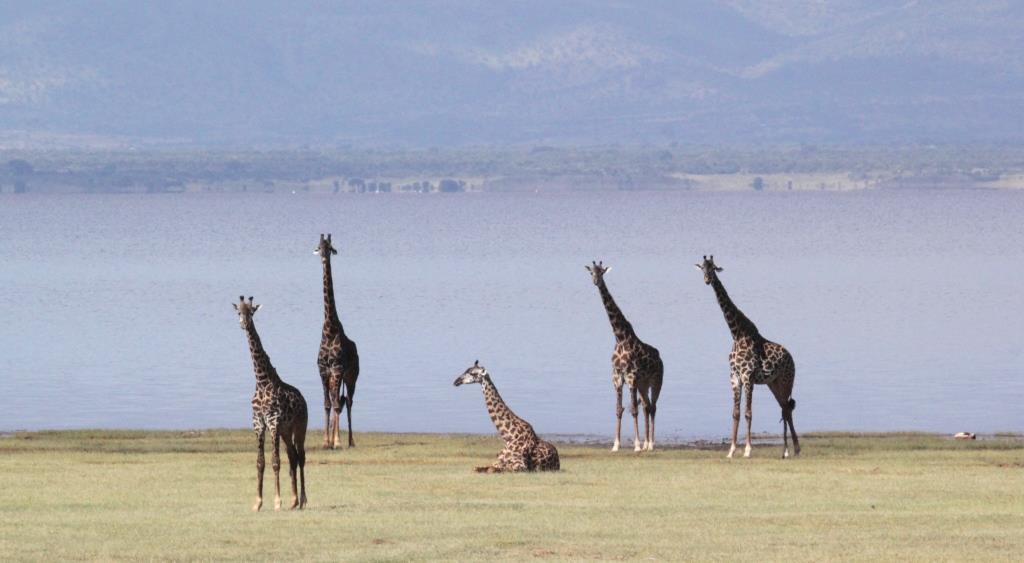
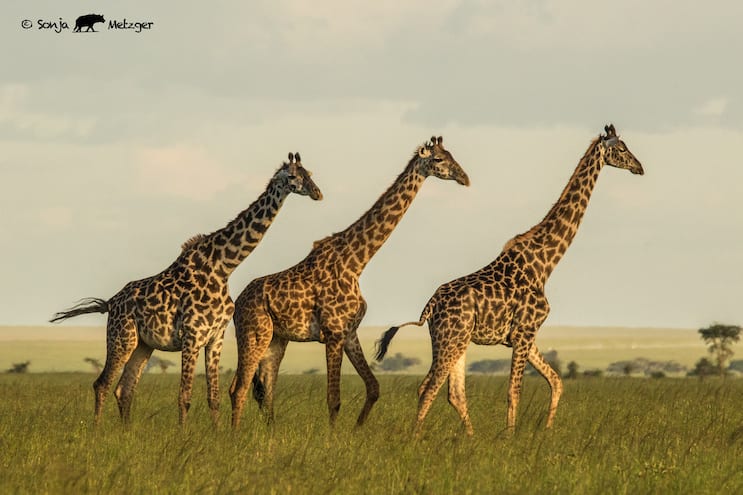
Giraffe numbers in the centre of the Serengeti have been stable since the late 2000s, but near the edges of the protected areas they keep falling. Helping adults survive is the key.
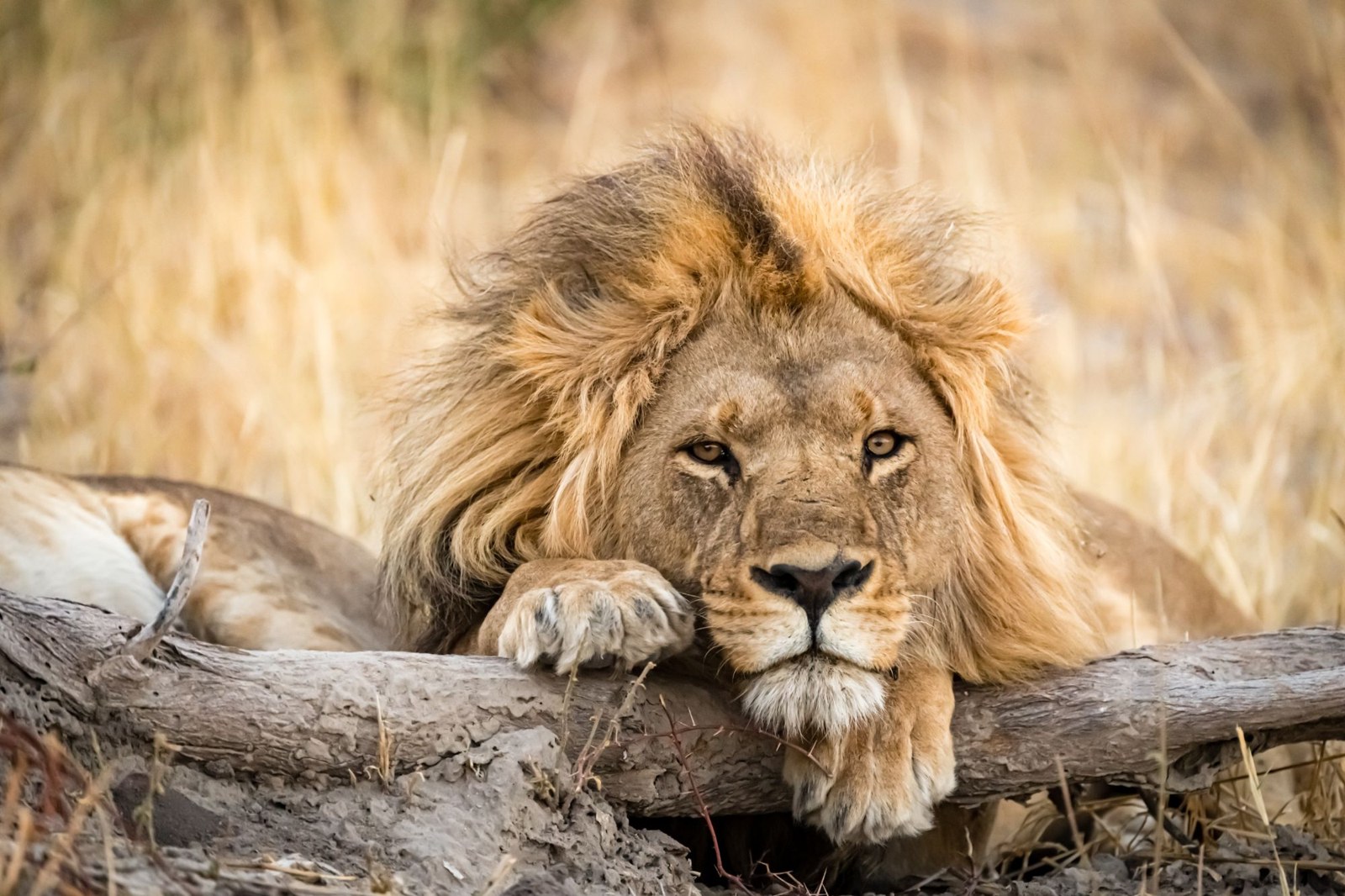
For lions, “density” is not one number. The size of a male coalition, the number of females nearby and the presence of nomadic males affect survival and reproduction in different ways, and often differently in the wet and dry seasons.
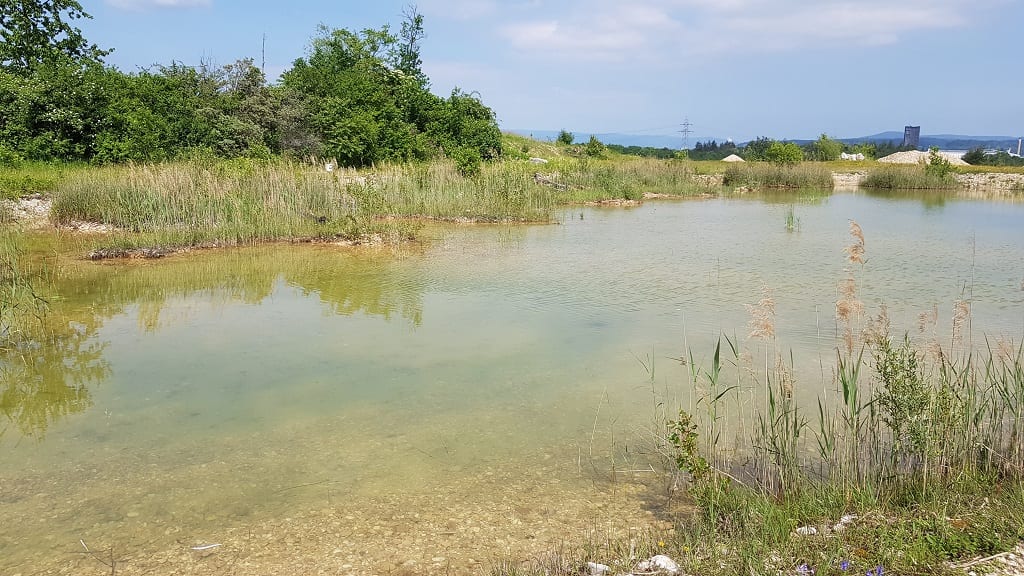
Conservationists are happy to see many tadpoles in a pond. But crowded tadpoles grow slowly and become small toads that survive poorly, so we need to build larger ponds.
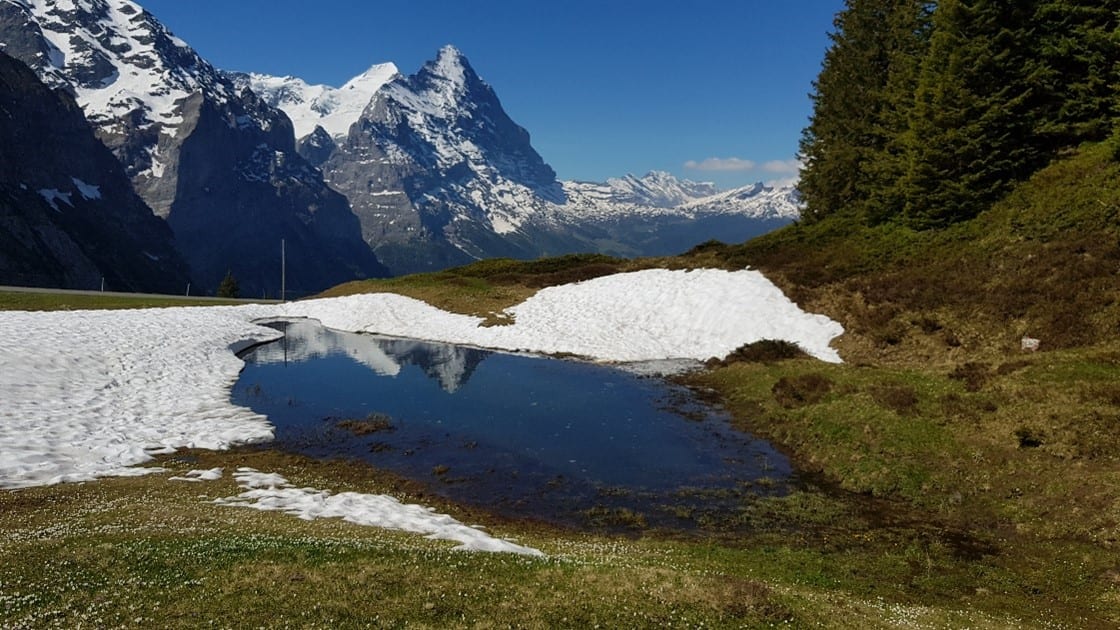
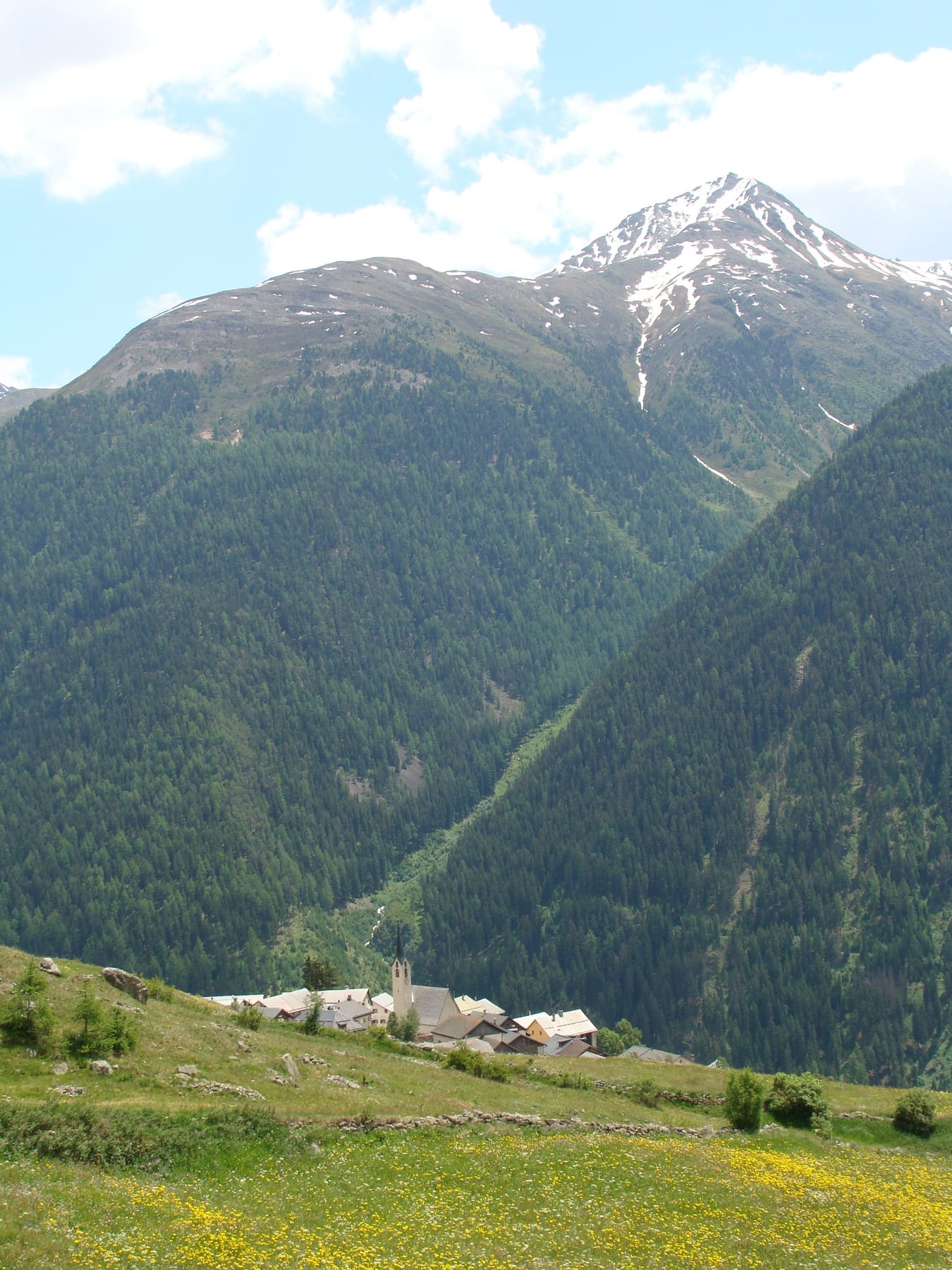
Common toads high in the Swiss Alps now breed about 30 days earlier than in the early 1980s. Warm winters and springs with little snow bring breeding forward.
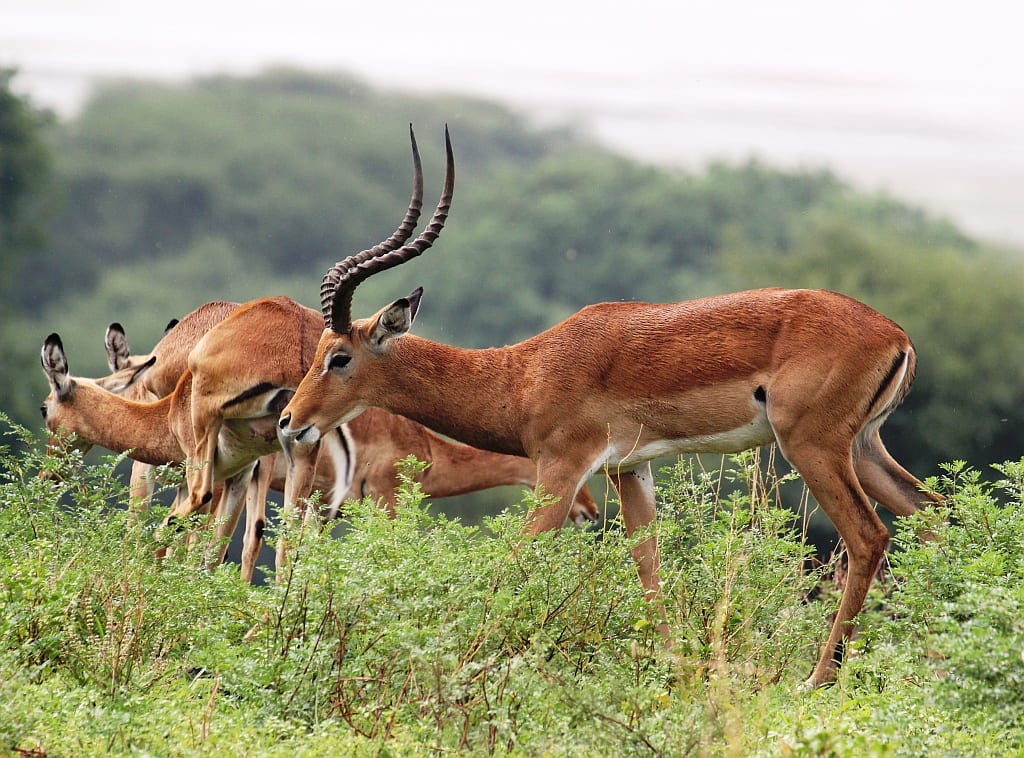
For antelopes in East Africa, it is not just about the weather but where they can roam. This is why we need big, connected spaces for conservation.
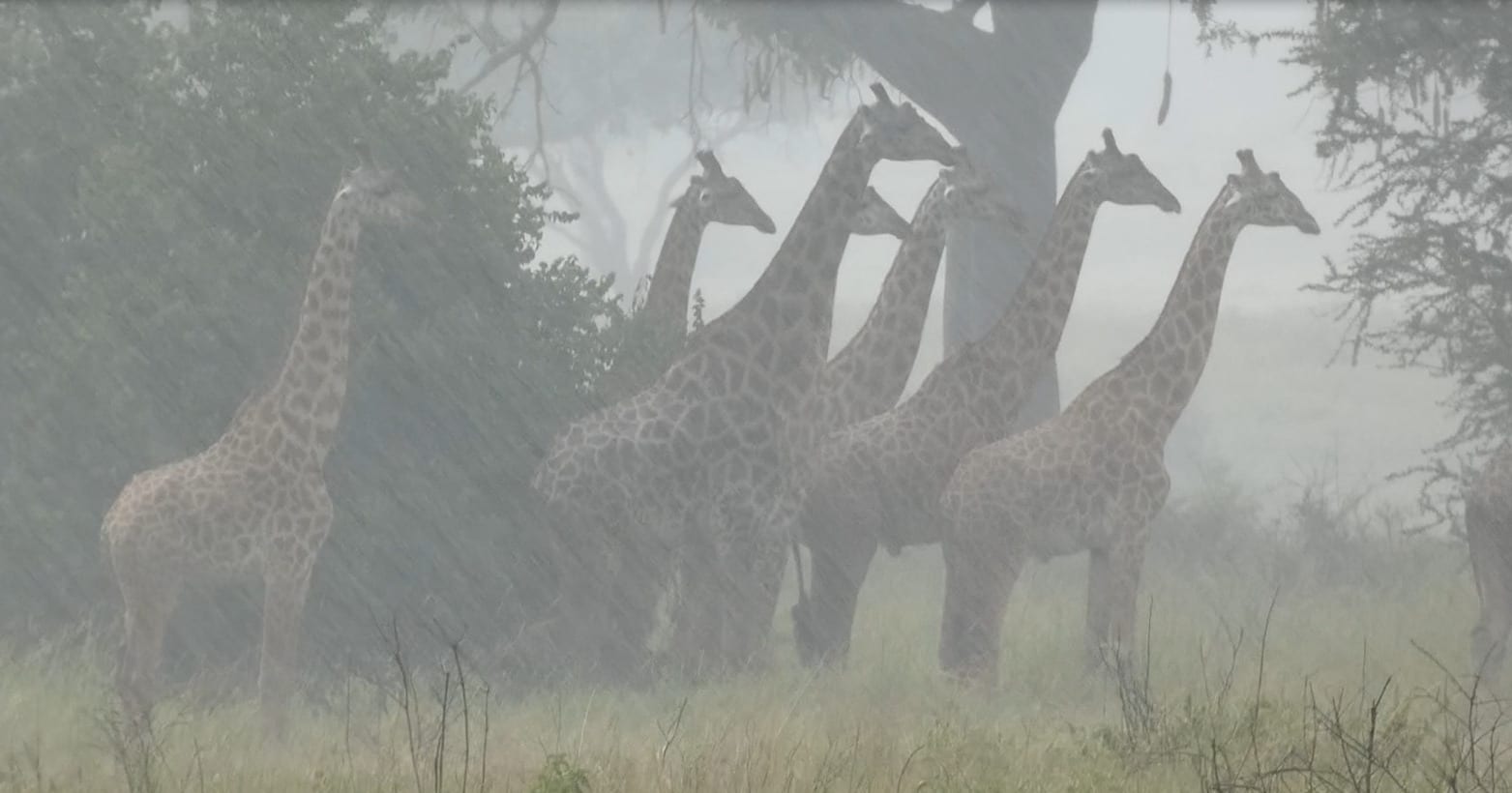
Giraffes in the East African savannas cope well with warmer temperatures. But they are threatened by increasingly heavy rainfall.
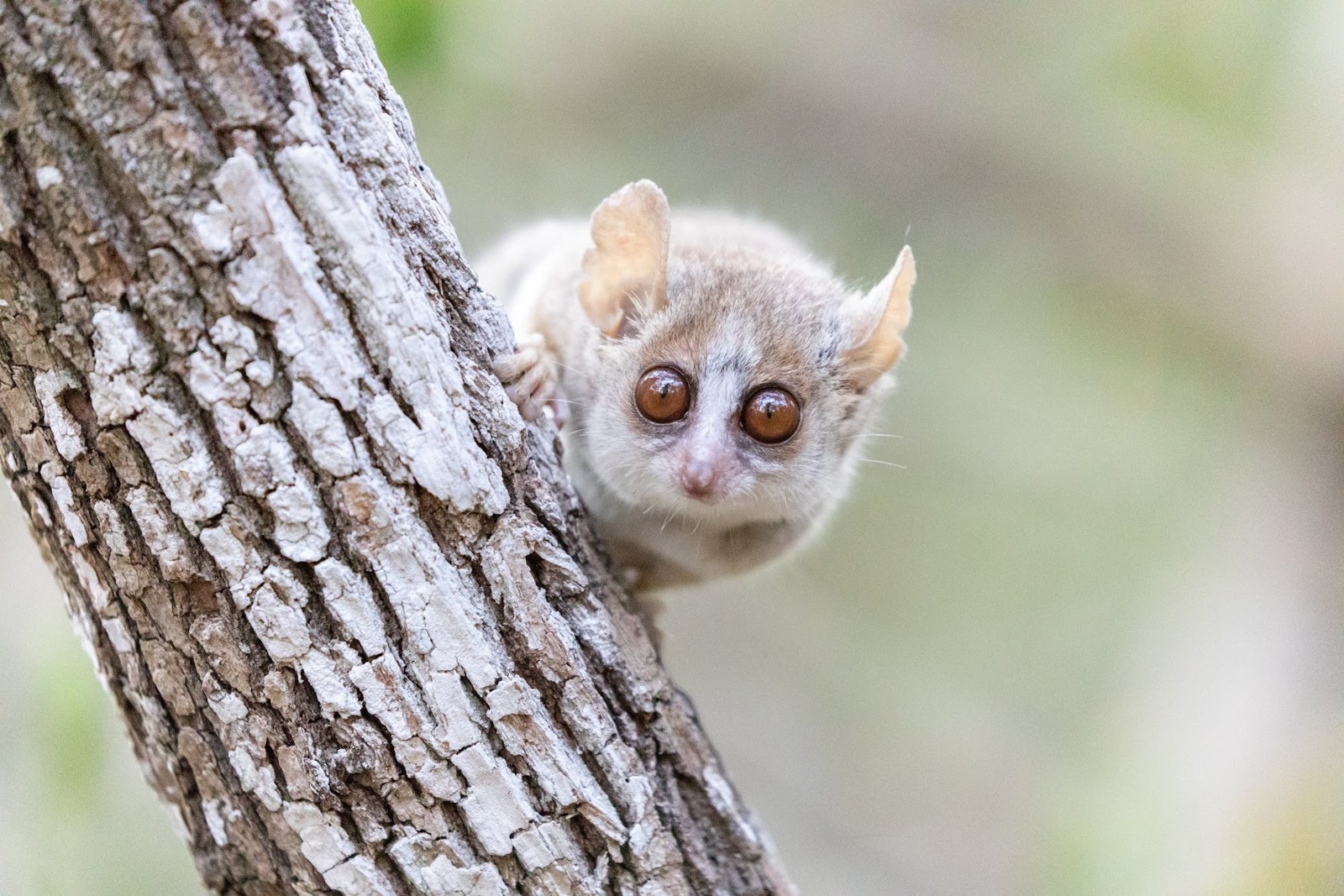
In gray mouse lemurs in Madagascar, fewer animals now survive but more young join the population. This has kept their numbers up so far, but makes them swing more and raises the risk of extinction.
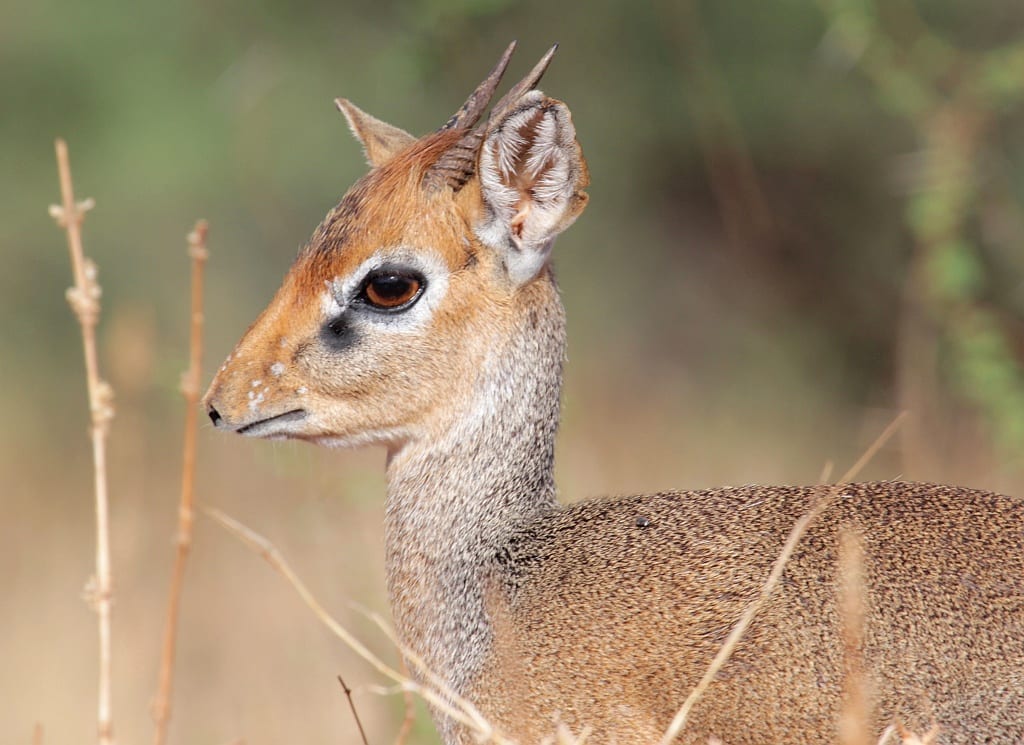
Where do giraffes, gazelles, impala and dik-diks choose to live in a savanna shared with people and cattle? Food matters for all of them, rivers for most, and some even stay close to herders’ homes.
When they grow up, many young male giraffes leave home without going far. They simply join a different social community that lives in the same area.
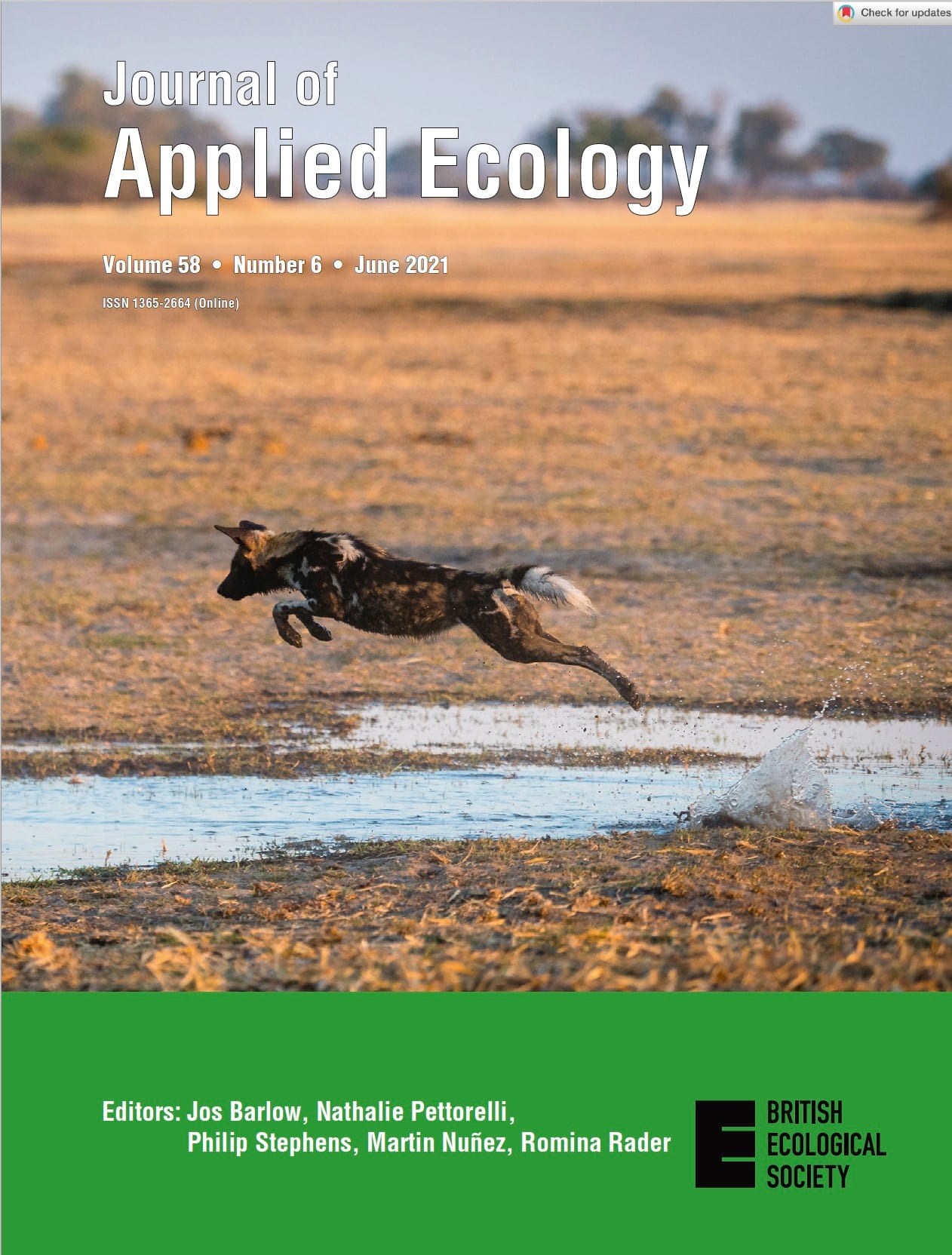
We followed young African wild dogs as they left home to check whether the borders of the Kavango-Zambezi conservation area cover the routes they travel. Mostly they do, but not everywhere.
Female Masai giraffes live in distinct social communities of up to 90 friends. Even where these ‘girl gangs’ share the same land, they differ in how many calves are born and survive.
Adult female giraffes who spend time in larger groups with other females live longer than less sociable individuals. Being sociable matters more than their surroundings or how close they live to people.
Eight wild dog brothers left their pack in Botswana’s Okavango Delta. Photos from tourists, guides and lodge staff helped us find out what happened next.
Twenty years of bird counts show that bird communities in the Swiss Alps are losing diversity, as common generalist species spread and mountain specialists come under pressure.
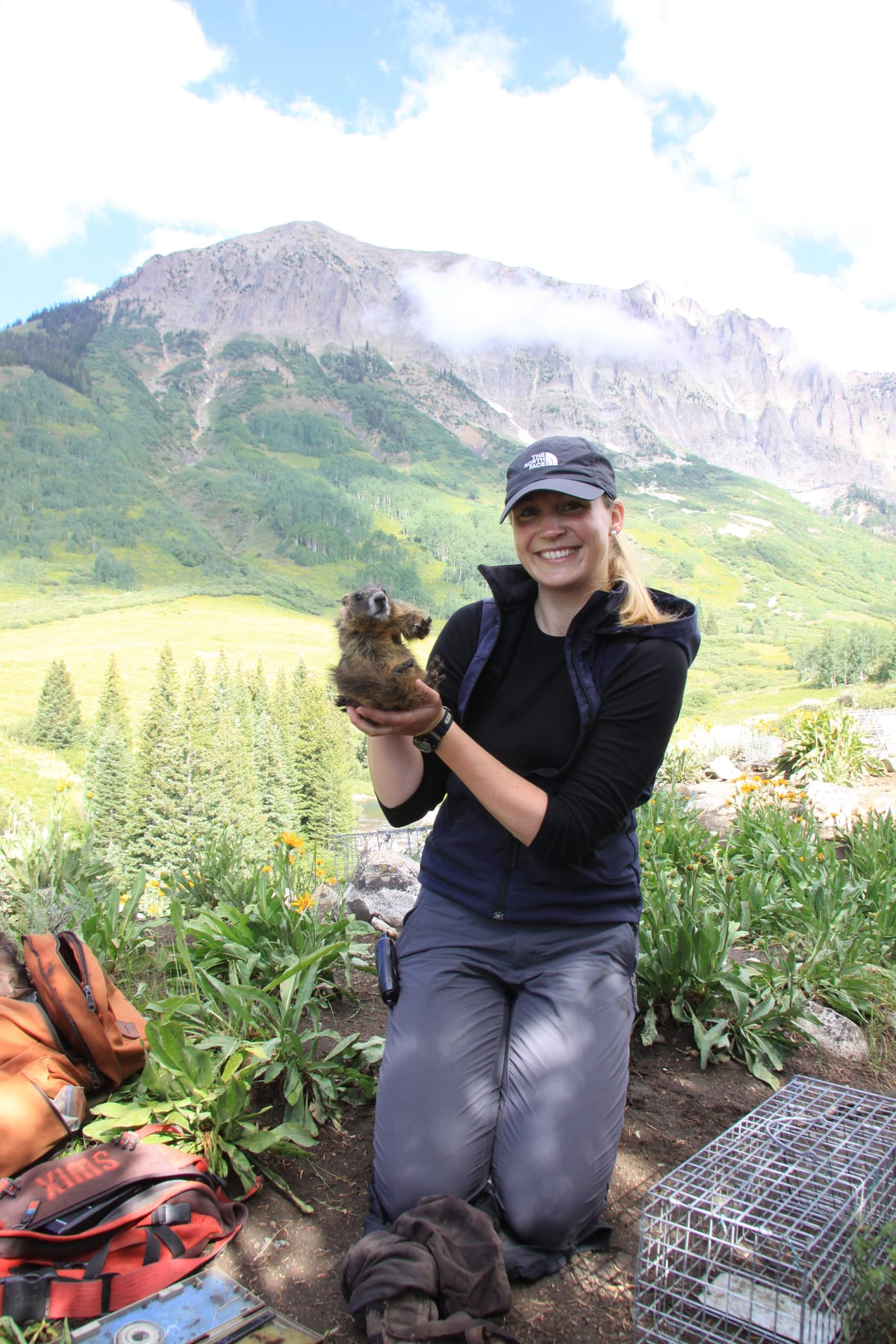
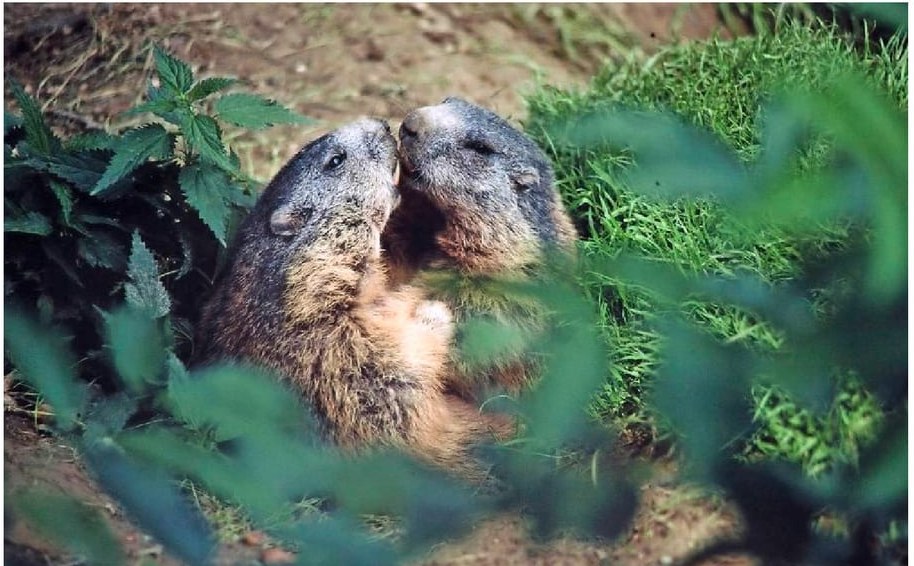
Over 40 years in the Colorado Rocky Mountains, yellow-bellied marmots survived summers better but winters worse as the climate changed. Looking only at whole years would hide this.
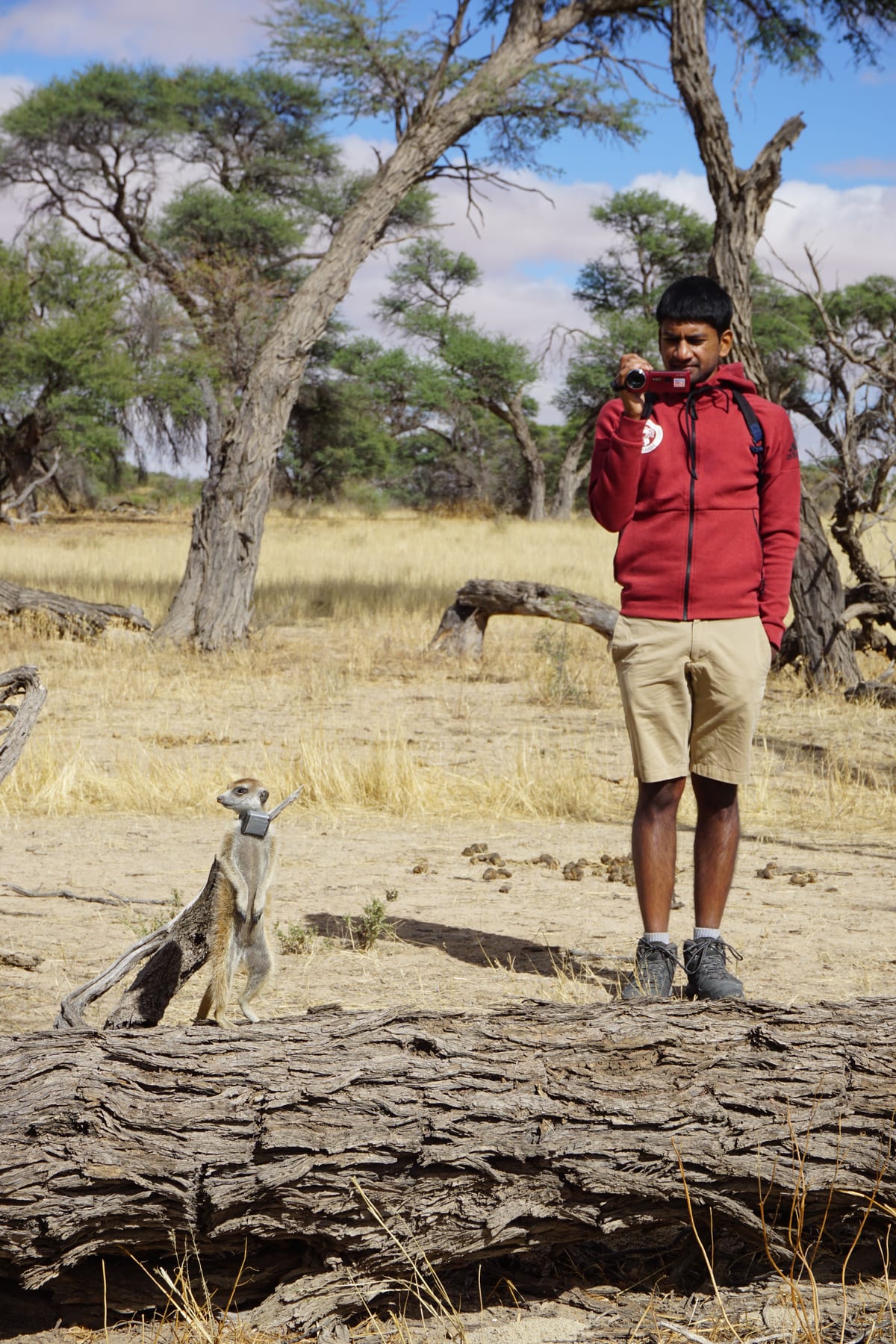
A small motion sensor on a collar can tell us whether a wild meerkat is resting, keeping watch, looking for food or running. Our method does this with simple rules based on how the body moves.
Female giraffes that live close to traditional Masai settlements have weaker and more exclusive relationships, a tell-tale sign of a disturbed social life.
Giraffe mothers with young calves hide in thick bushes where lions are common. They like to be near traditional herders’ compounds, but avoid busy towns.
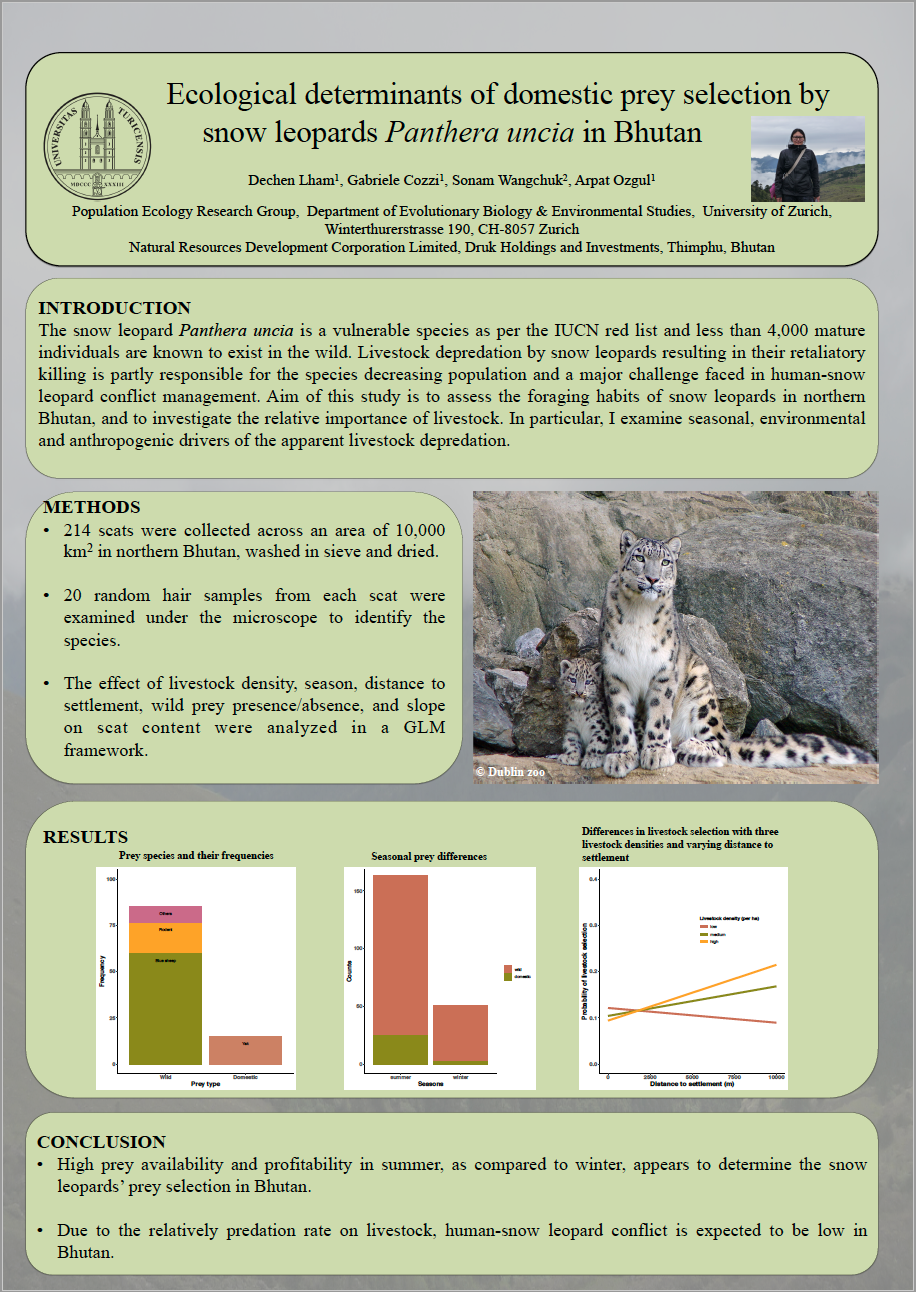
Big congratulations to Dechen. Her poster on the dietary habits of snow leopards in Bhutan got selected among the best posters at the Biology19 conference that was held in Zurich…
Our ‘little earth man’ Nino has done it! He has left the natal group, after successfully defending his PhD thesis on meerkat dispersal.
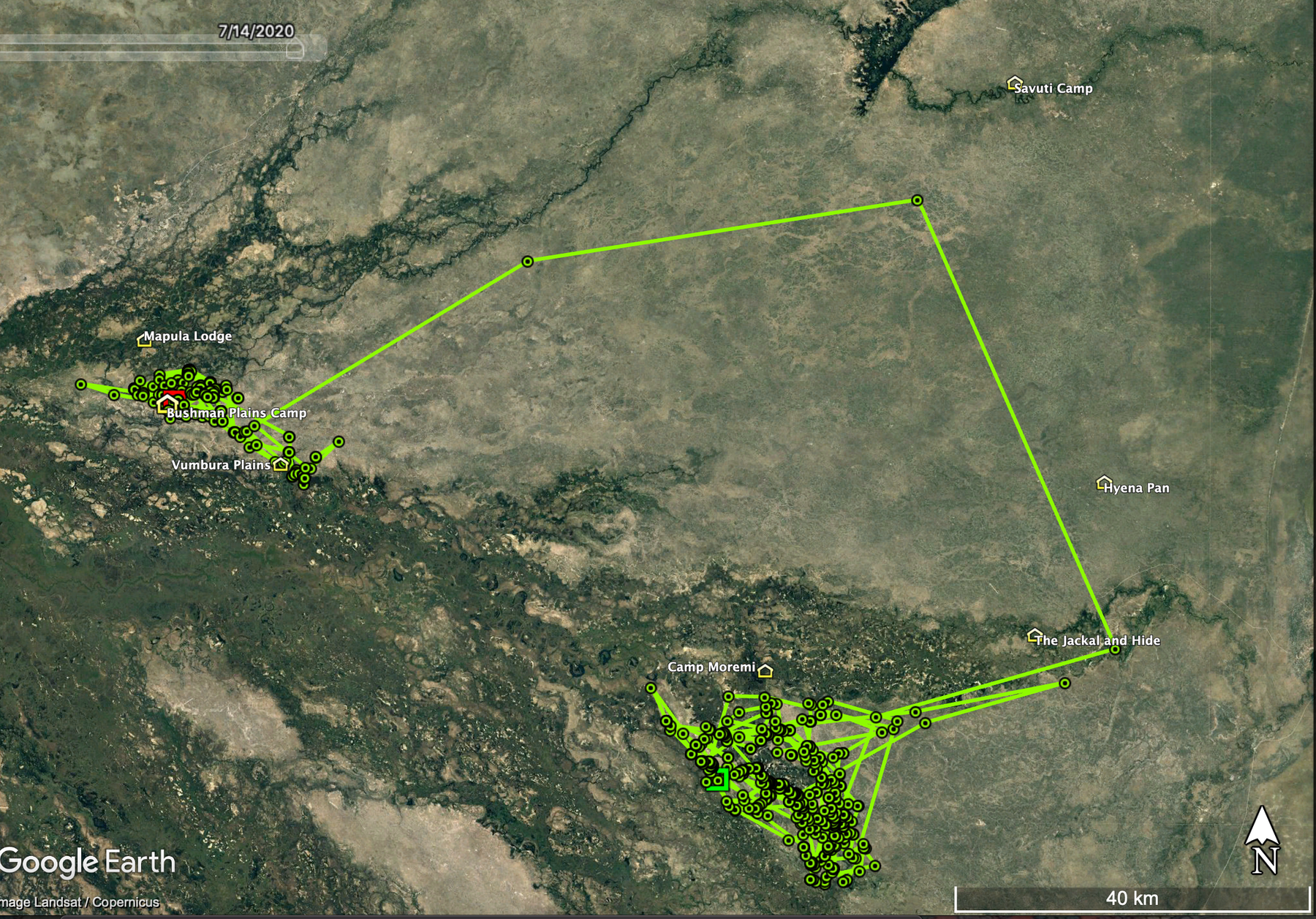
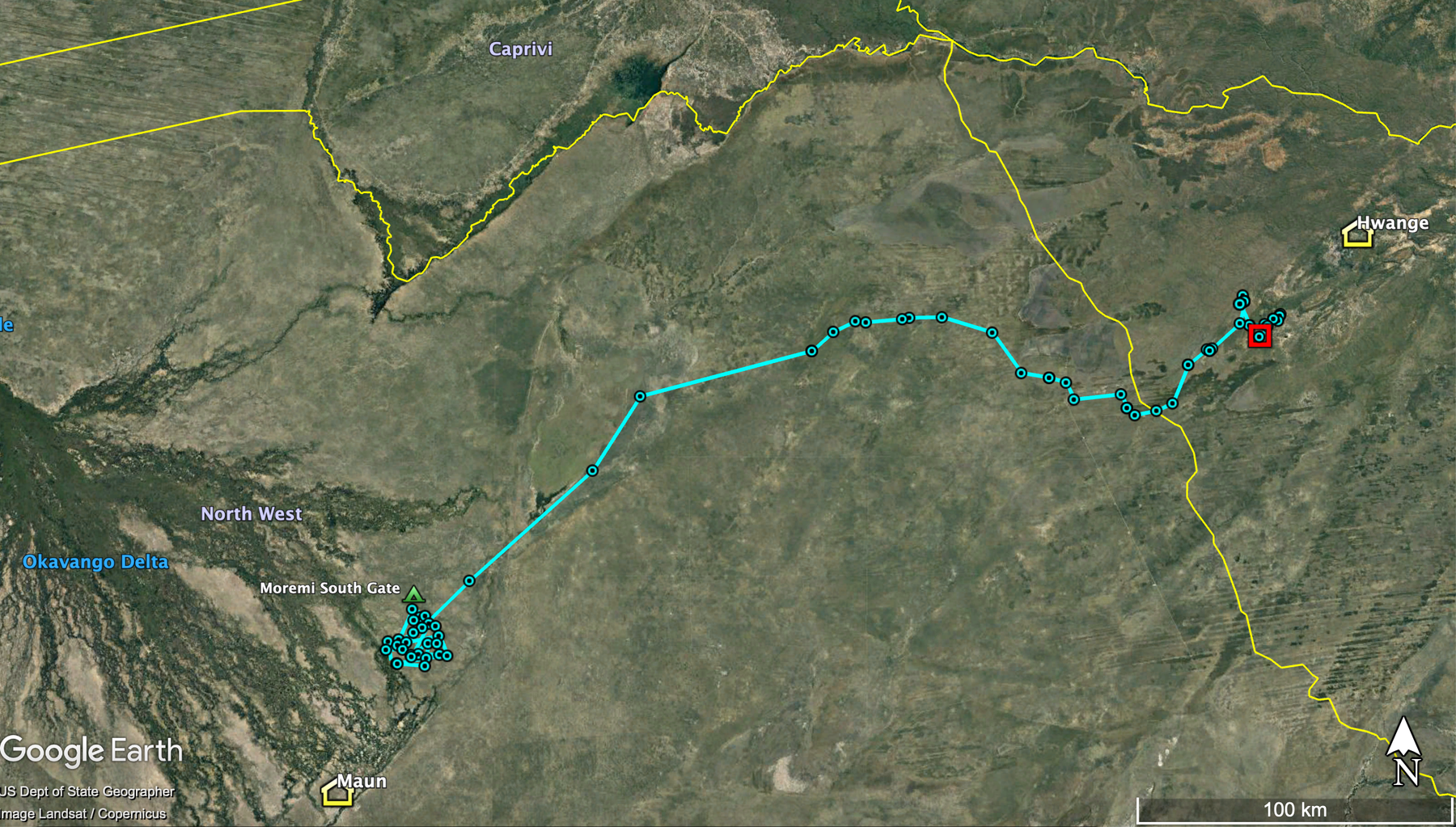
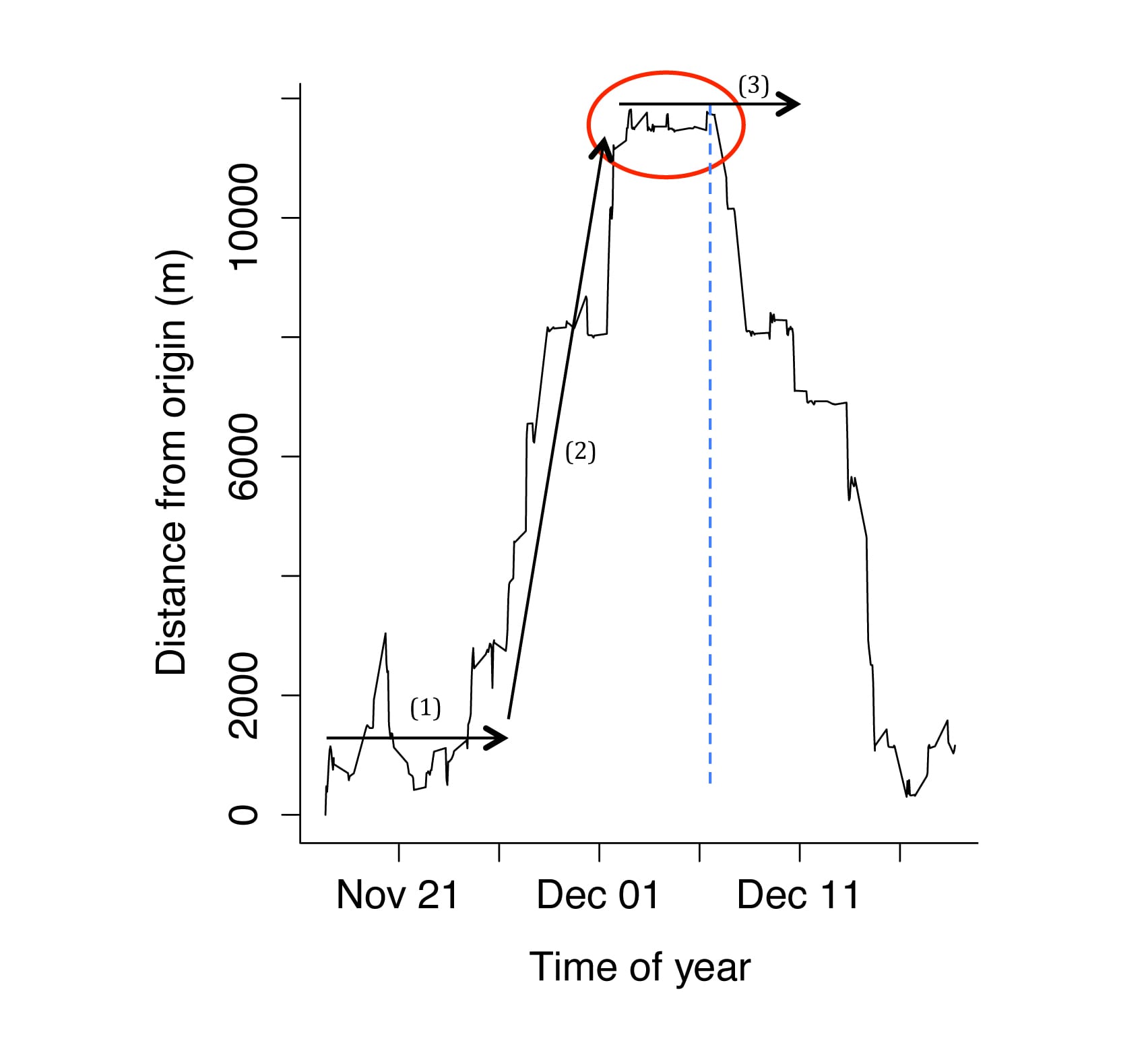
Four wild dog sisters left their pack in Botswana and walked 360 km to Zimbabwe’s Hwange National Park in only nine days. We followed them by satellite.
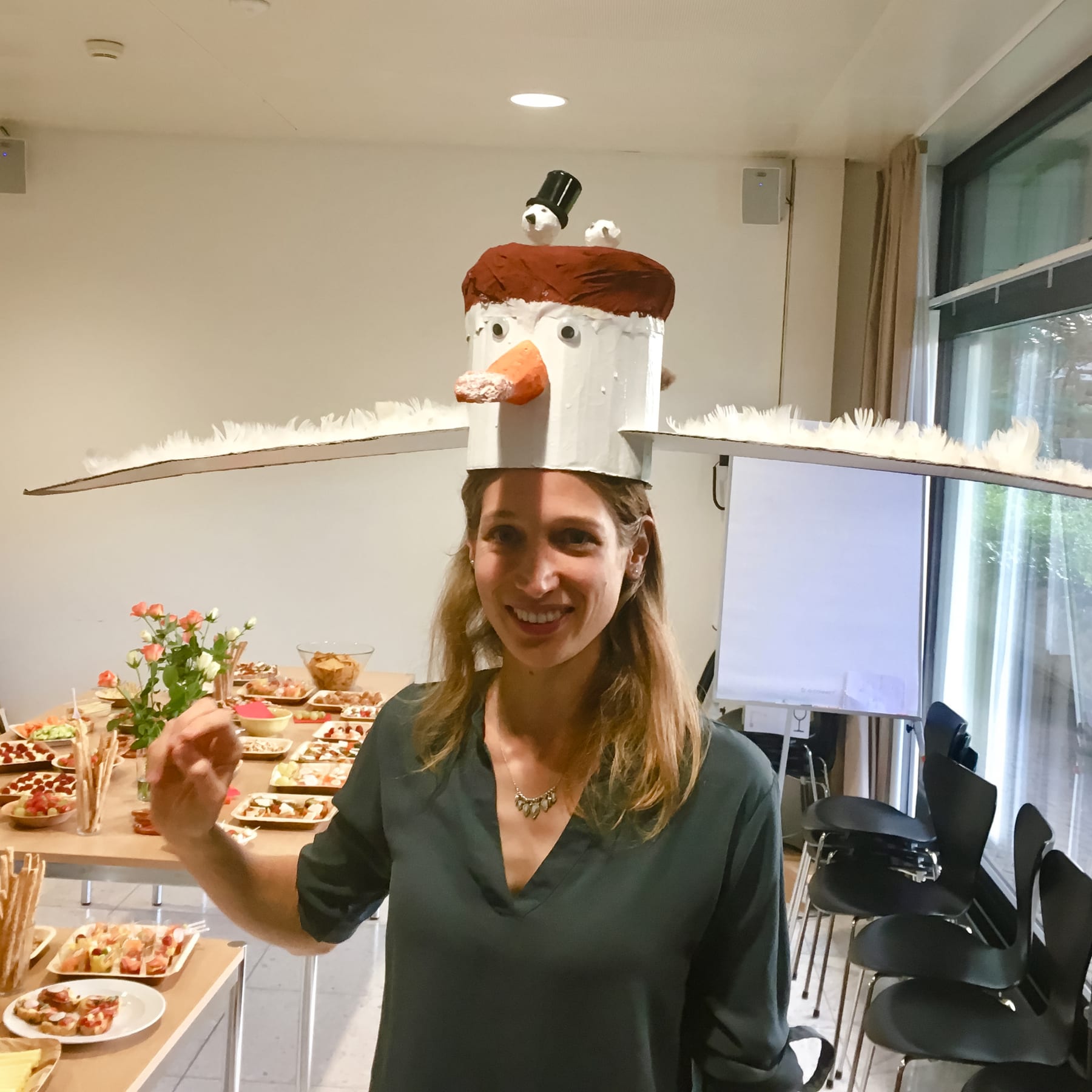
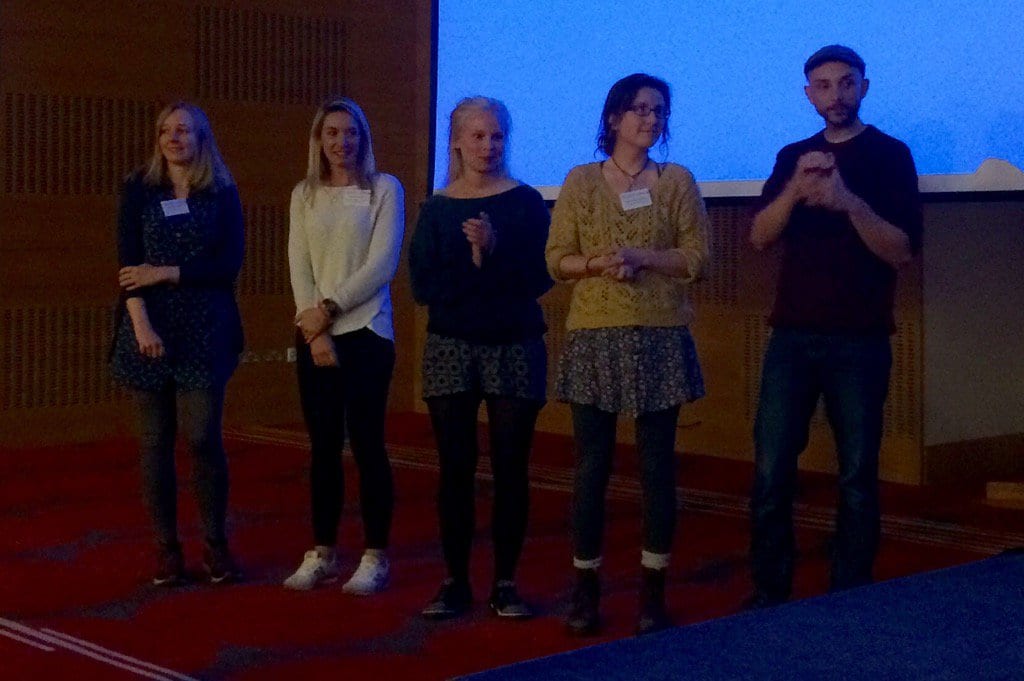
We left behind quite an exciting couple of weeks. PopEcol fledged its first cohort of PhDs. Tina, Sam and Koen successfully defended their four years of research and received their…
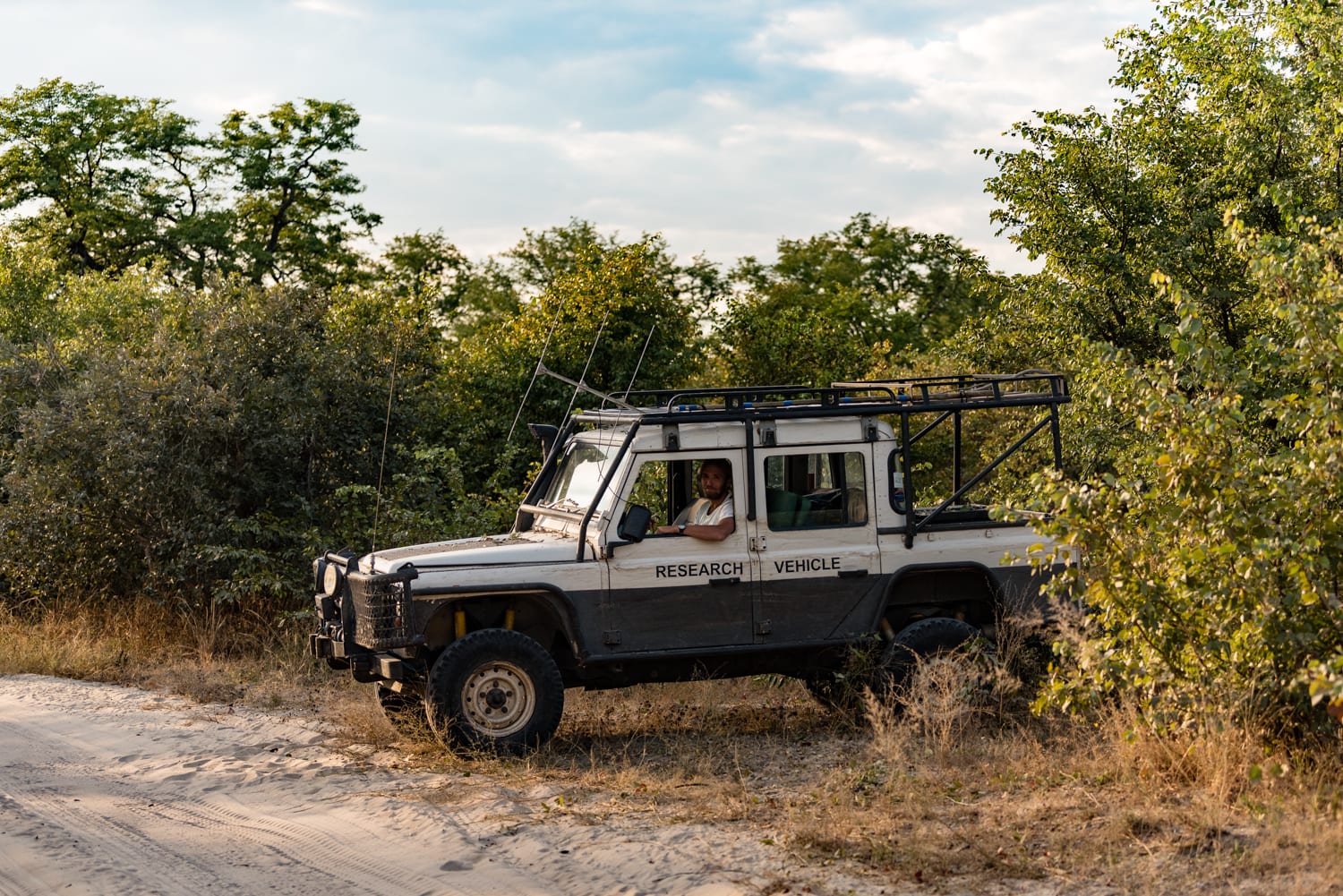
“Kuna twiga pale,” I say in Swahili to our driver Meshak. There are giraffes over there. My partner Dr. Derek Lee and I stand side-by-side in the back of our Land Cruiser, its top…
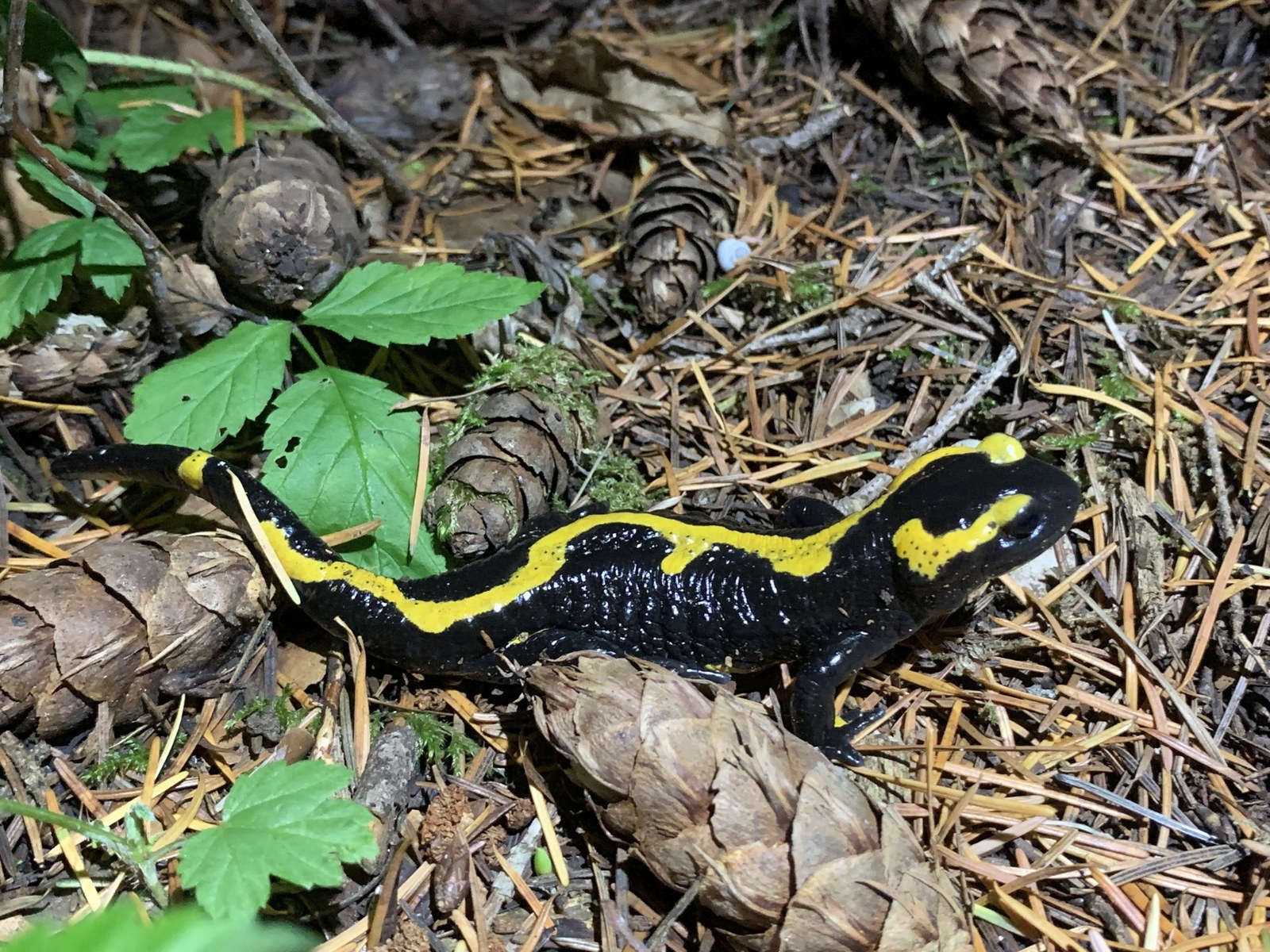
Sarah Bänziger won the Hintermann & Weber Forschungspreis 2017 for her master thesis on the decline of fire salamanders in northern Switzerland.
The winter months of June, July, and August mark the coldest period of the year in Northern Botswana. It is this cool period that African wild dogs choose for whelping, as pup…
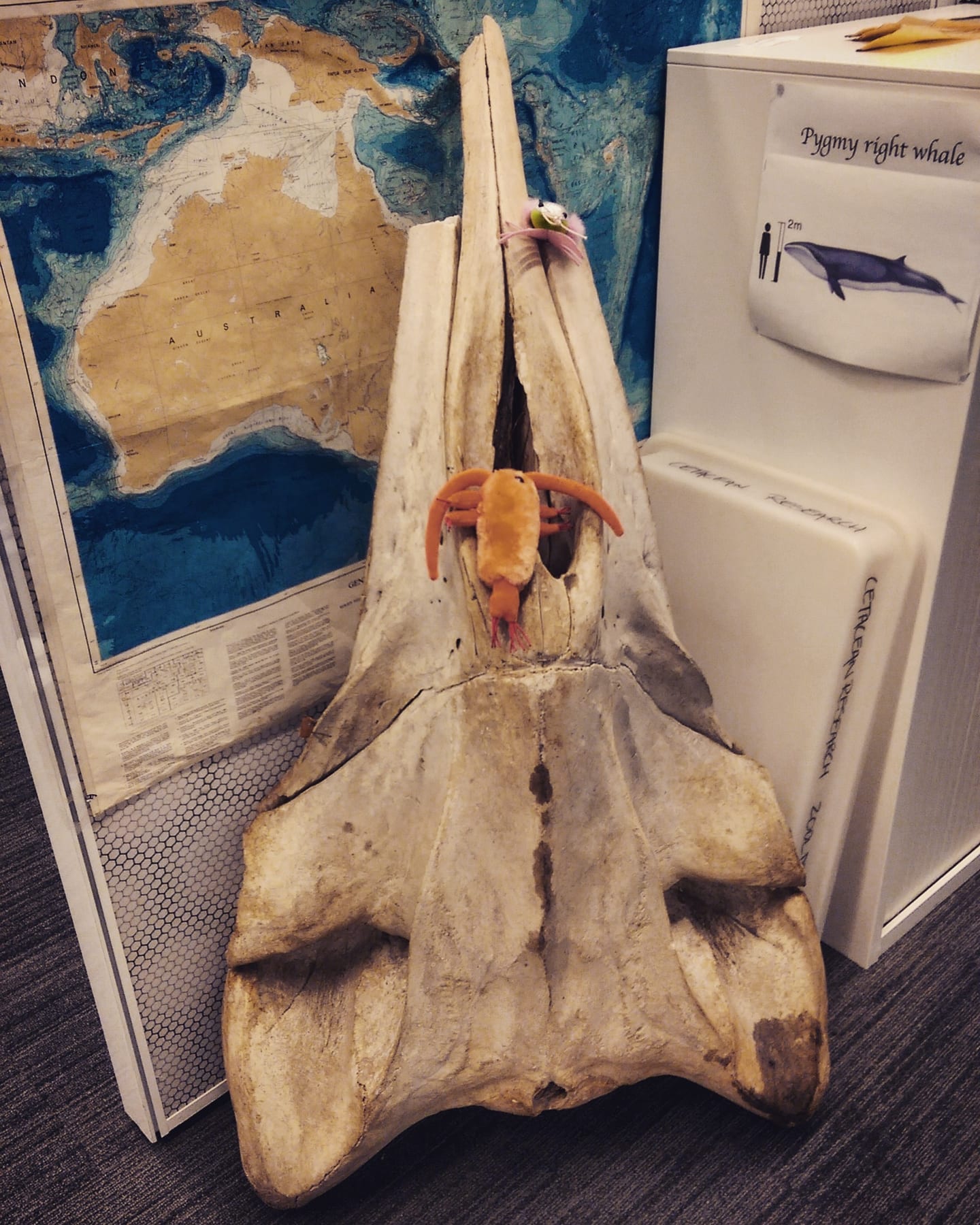
Twentieth-century whaling records show that whales got smaller, and that warning signs appeared up to 40 years before their populations collapsed.
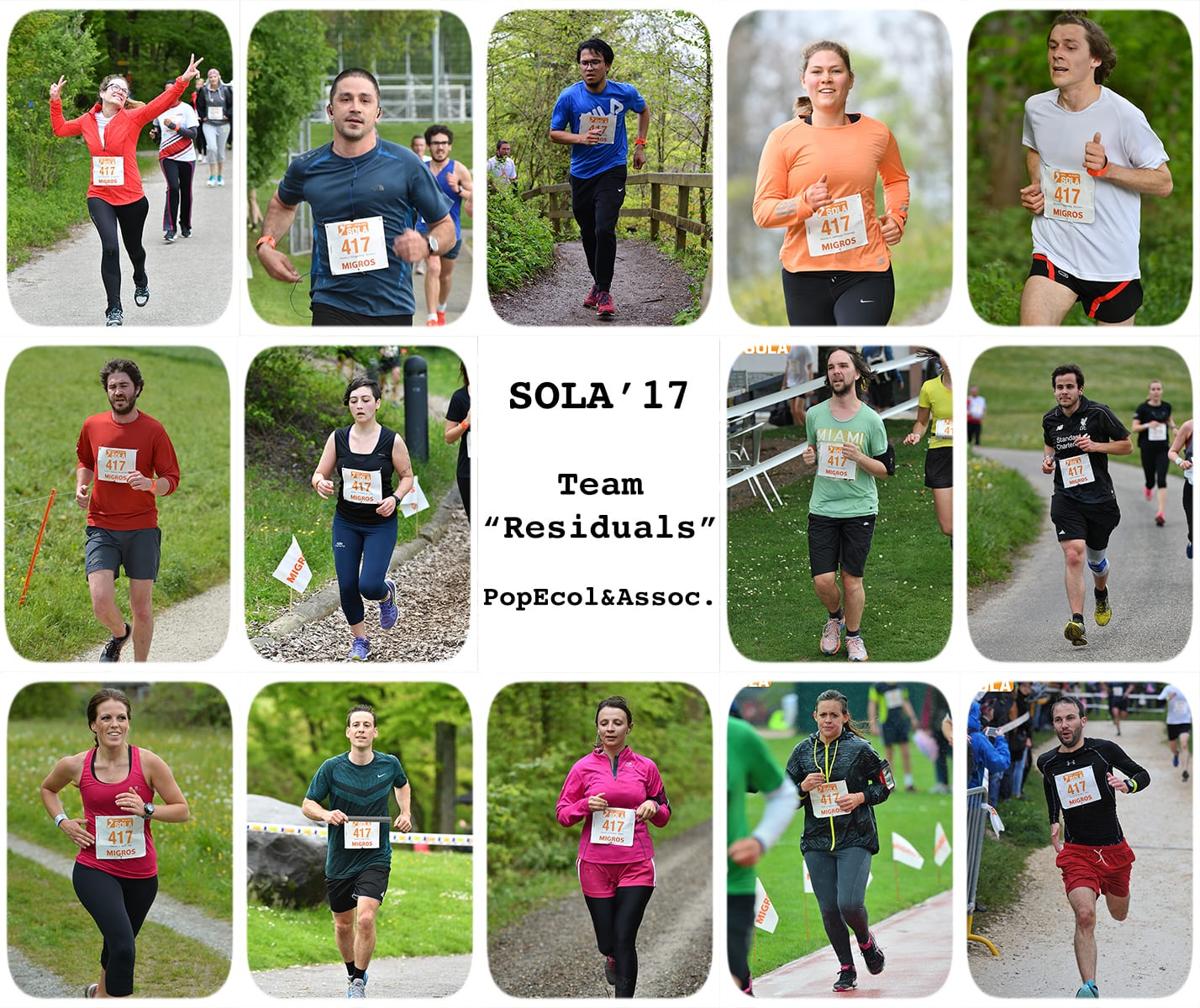
Our formidable team of biodemographers and associates, The Residuals, conquered yet another 114km-long SOLA race around Zurich. Big thanks to our captain, Omar, for the great…
The PopEcol annual group retreat is over for another year. Which is probably for the best. If you are interested in what happens when a bunch of scientists go away to the mountains…
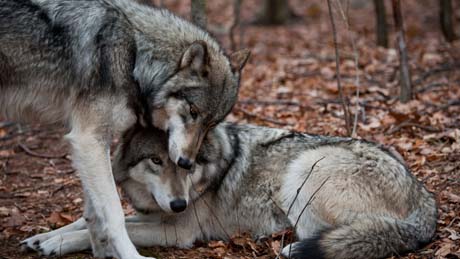
About a third of Switzerland is good wolf habitat, but only about 6% is both good habitat and a place where people accept the wolf. Our new map shows where.
Big congratulations to Agnes for winning the shared prize for the best student presentation at the 13th International Seabird Group Conference (2016) in Edinburgh for her…
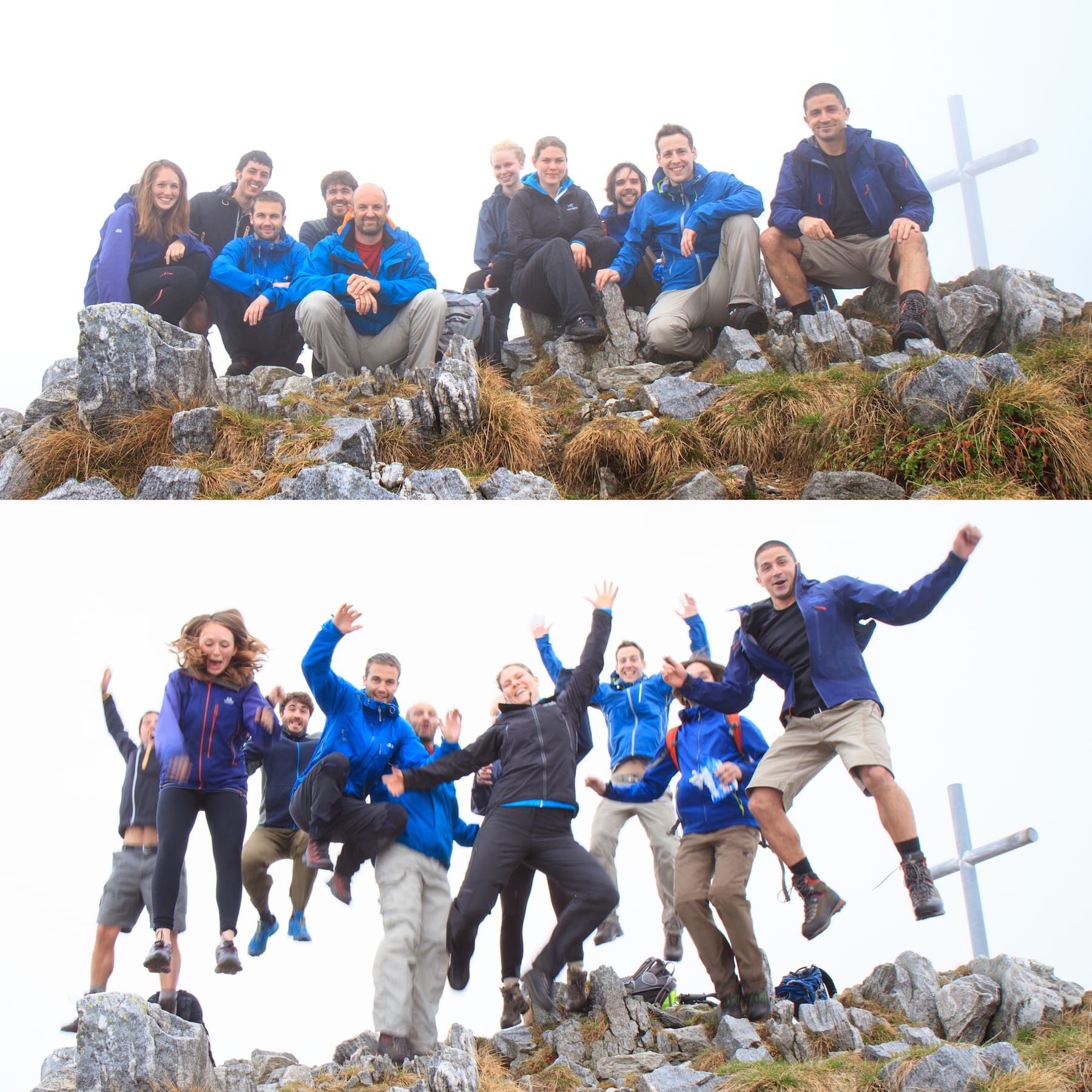
This year, our group retreat was in Ticino. It involved ten group members, climbing up 1000m from Mergoscia to Cimetta, staying overnight at the top, and coming back down the next…
by PRITISH CHAKRAVARTY Having lived my entire life in the Northern Hemisphere amidst humans, it was with a heady concoction of childlike enthusiasm and amazed disbelief that I made…
Written by Billur Bektaş As an undergraduate student at the Istanbul Technical University from the molecular biology and genetics department, my journey in the field of ecology…
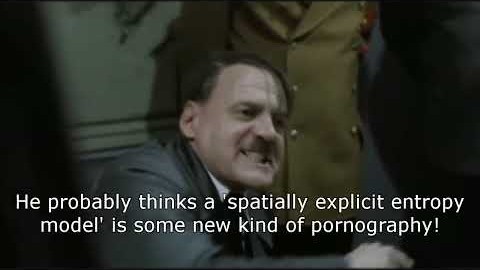
An epic adaptation of the downfall rant to the capture-mark-recapture world. This was prepared for the retirement symposium of Dr. Jim Nichols, one of the most influential…
As a PhD student in ecology, I always thought of my love of board games as just a hobby without any connection with my work. A field course in conservation management…
Do Swiss people support or oppose wild living wolves in Switzerland? Do wolves encounter a positive “human environment” in areas with suitable habitat conditions? To answer these…
Sam Cruickshank won the prize for the best student talk at the Amphibian Conservation Research Symposium.
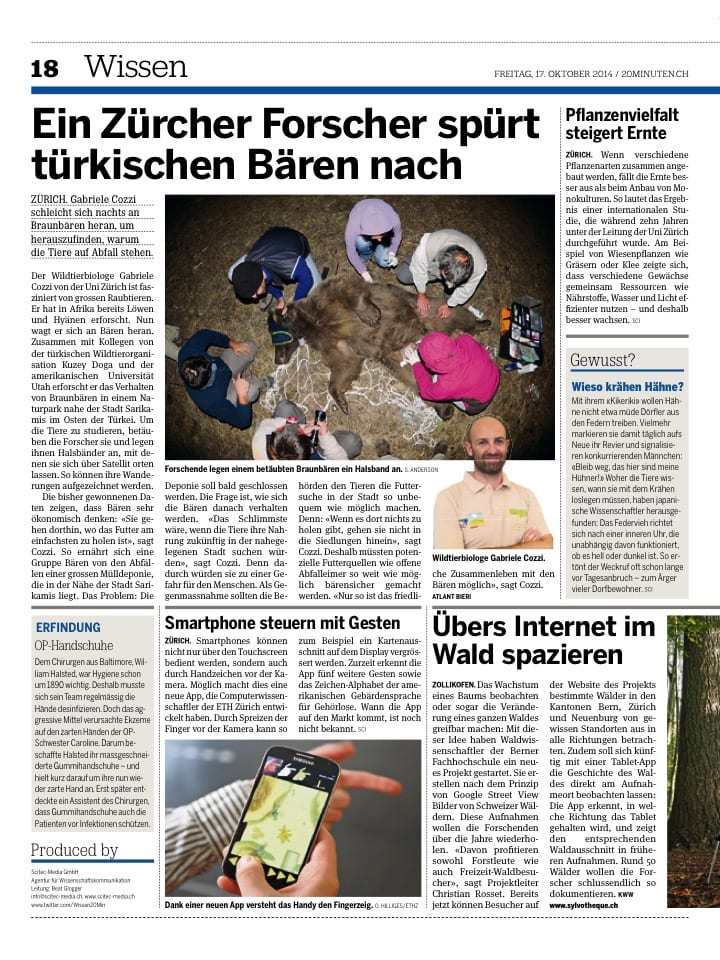
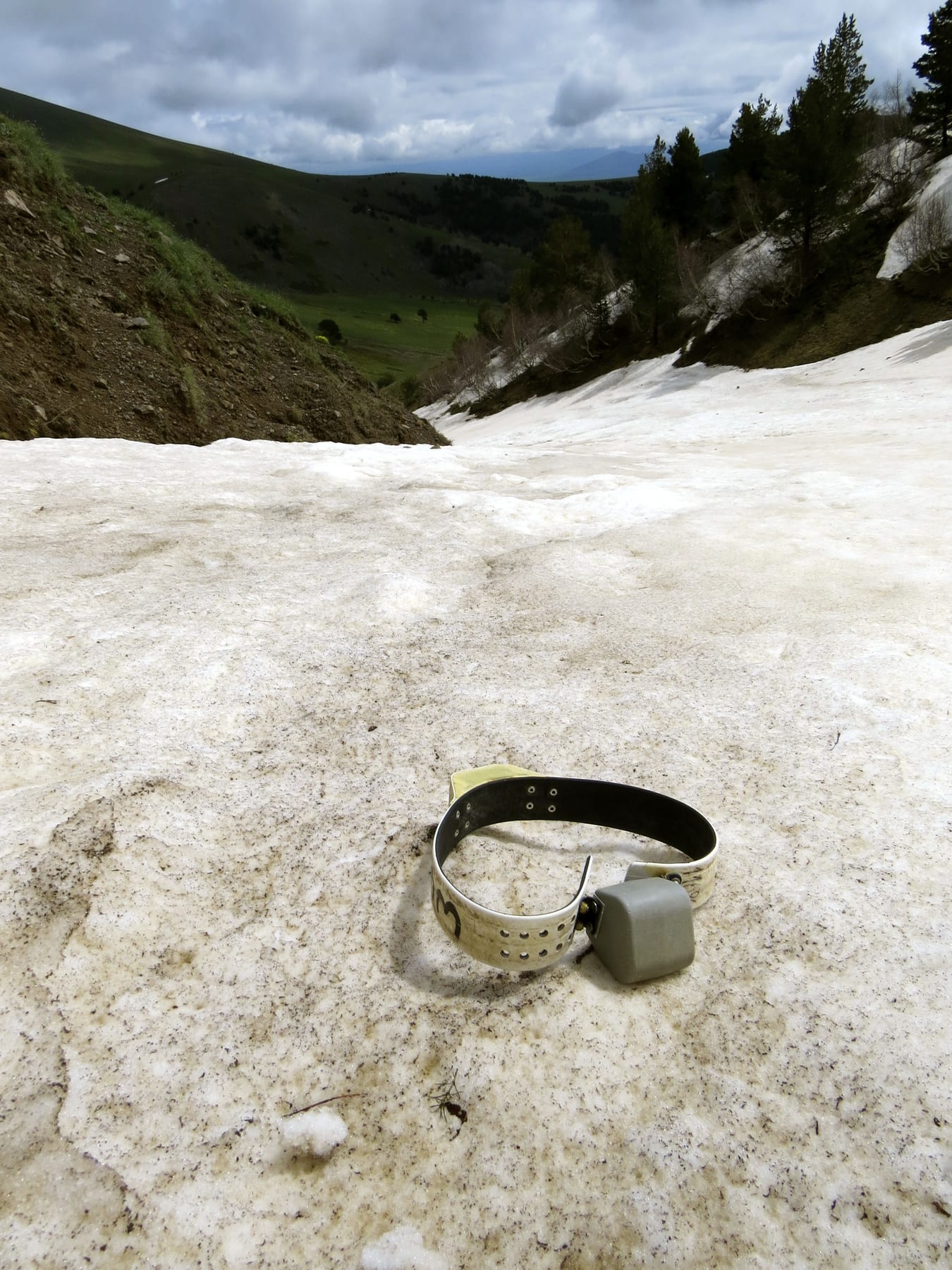
We thought the brown bears of Sarikamis in north-east Turkey were cut off from other bears. After two years of tracking 16 bears with GPS collars, we know we were wrong.
“Thank you”, I whispered in a soft voice while driving by the rayon and plating factories surrounding Lake Orta. “Thank you for giving me a PhD”. The wastewater of those factories…
‘Think hard and dig deep, without being canalized by the ideas of others published in literature. Not very often do you get a chance like this offered to you. Take the…
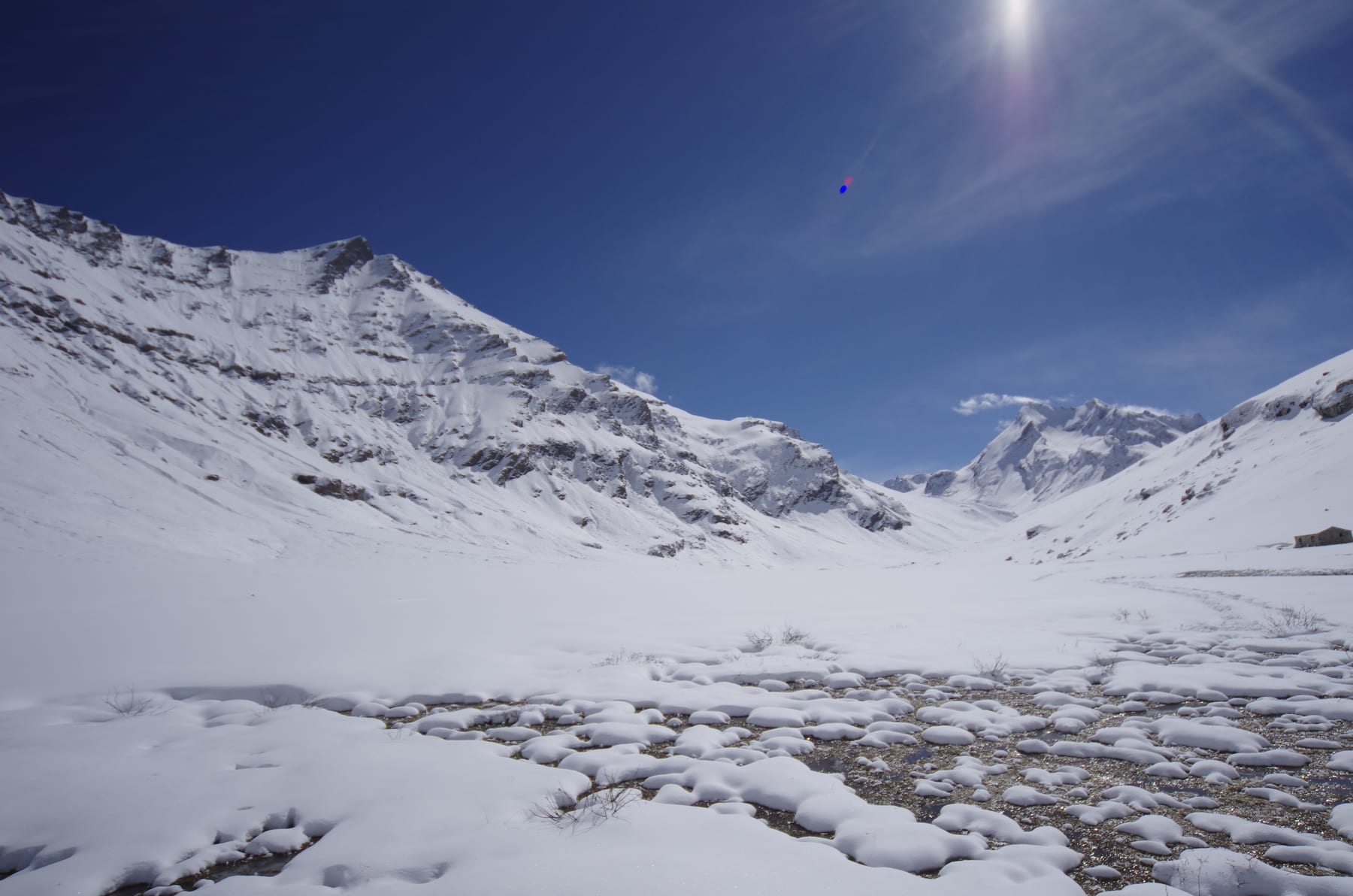
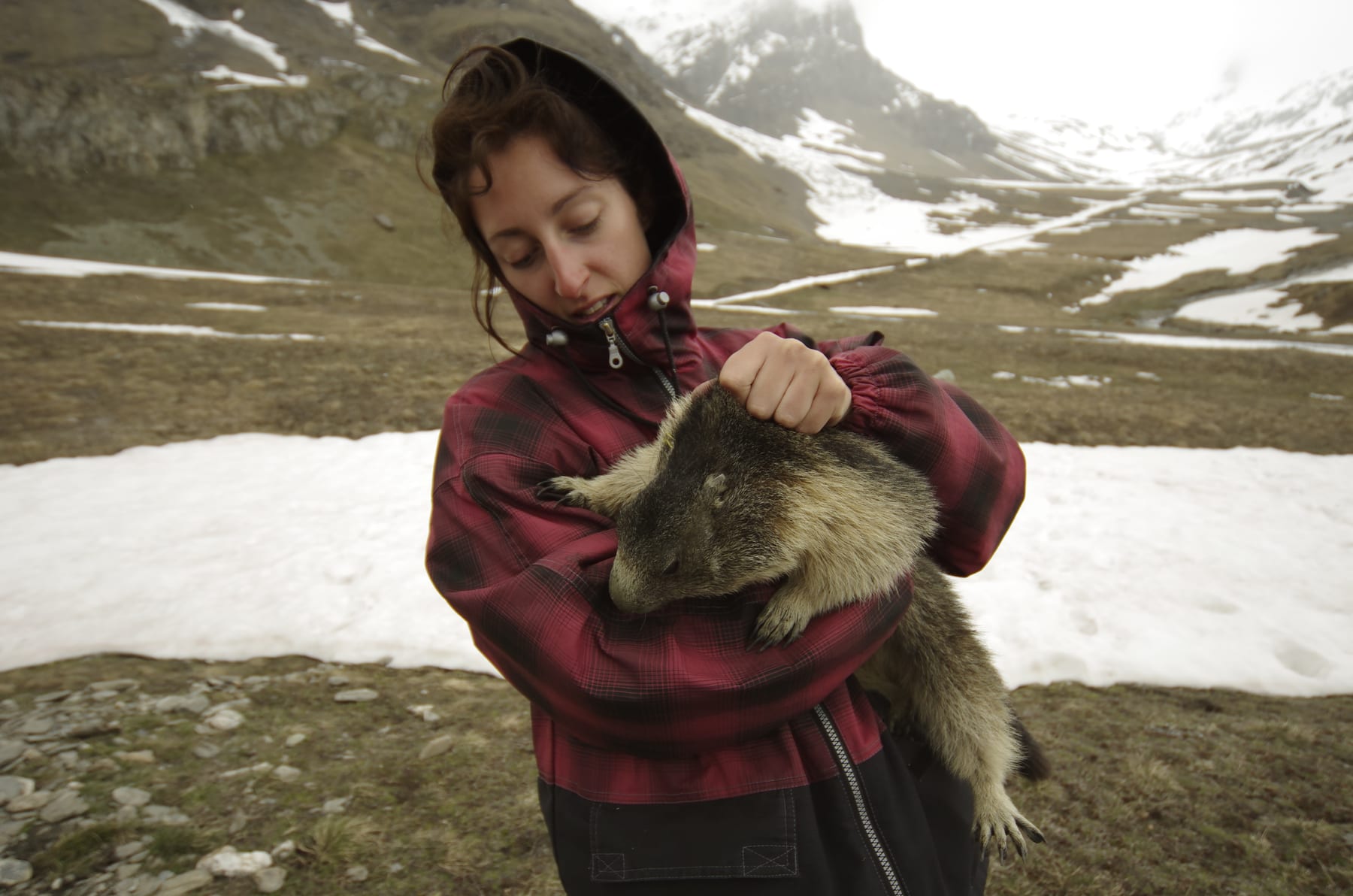
Welcome back to the Natural Reserve of La Grande Sassière where the second field season on alpine marmots started 3 weeks ago. Whereas last year at the same period there was deep…
Well, sometimes it is about fathers and sons, but sometimes it is also about sisters and unrelated males to find each other and settle down… Three months after the beginning…
Sometimes Science is nothing more than checking assumptions. This holds true whether you are a theoretical biologist (e.g. checking model assumptions), experimental biologist (e.g.…
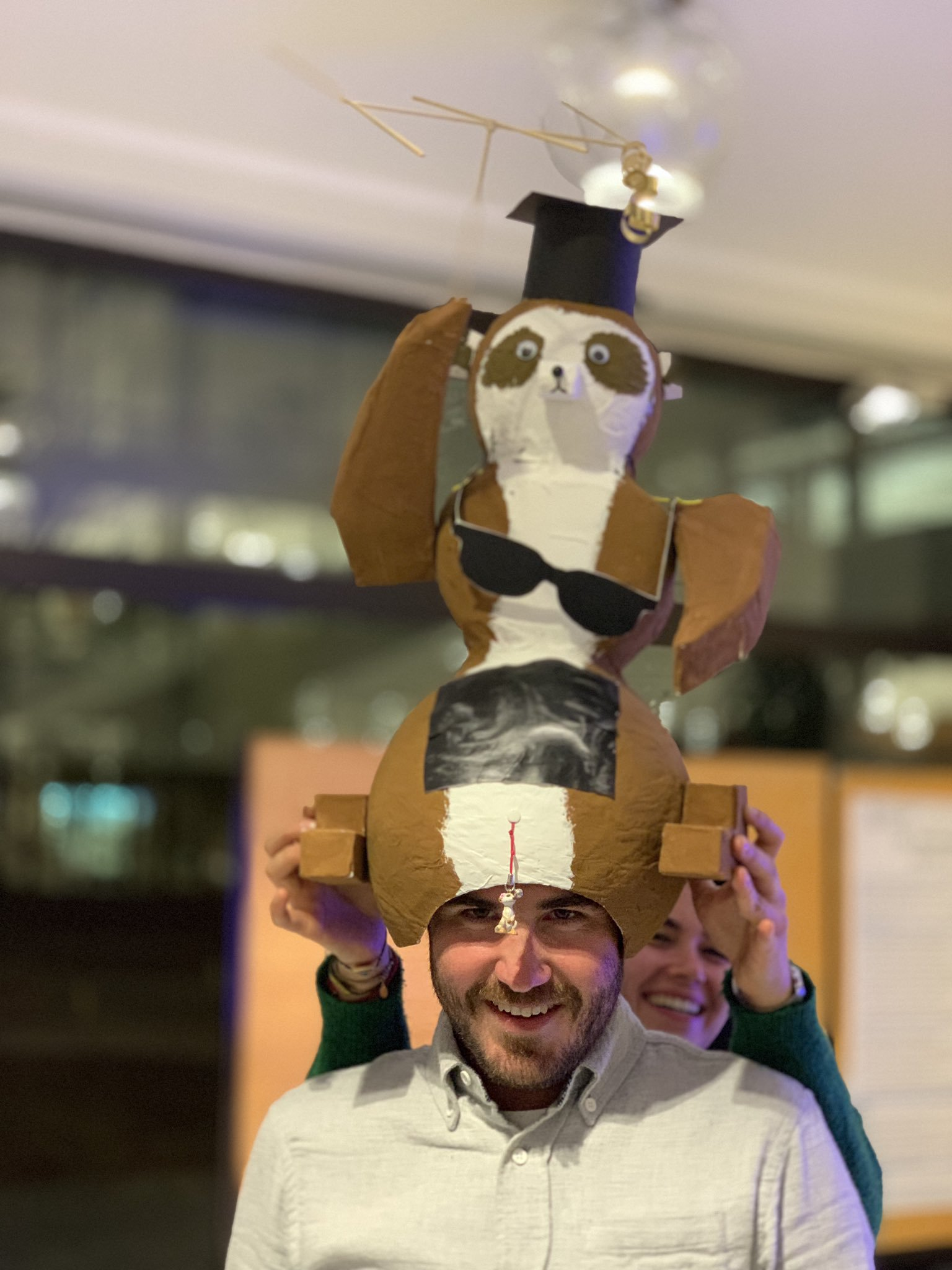
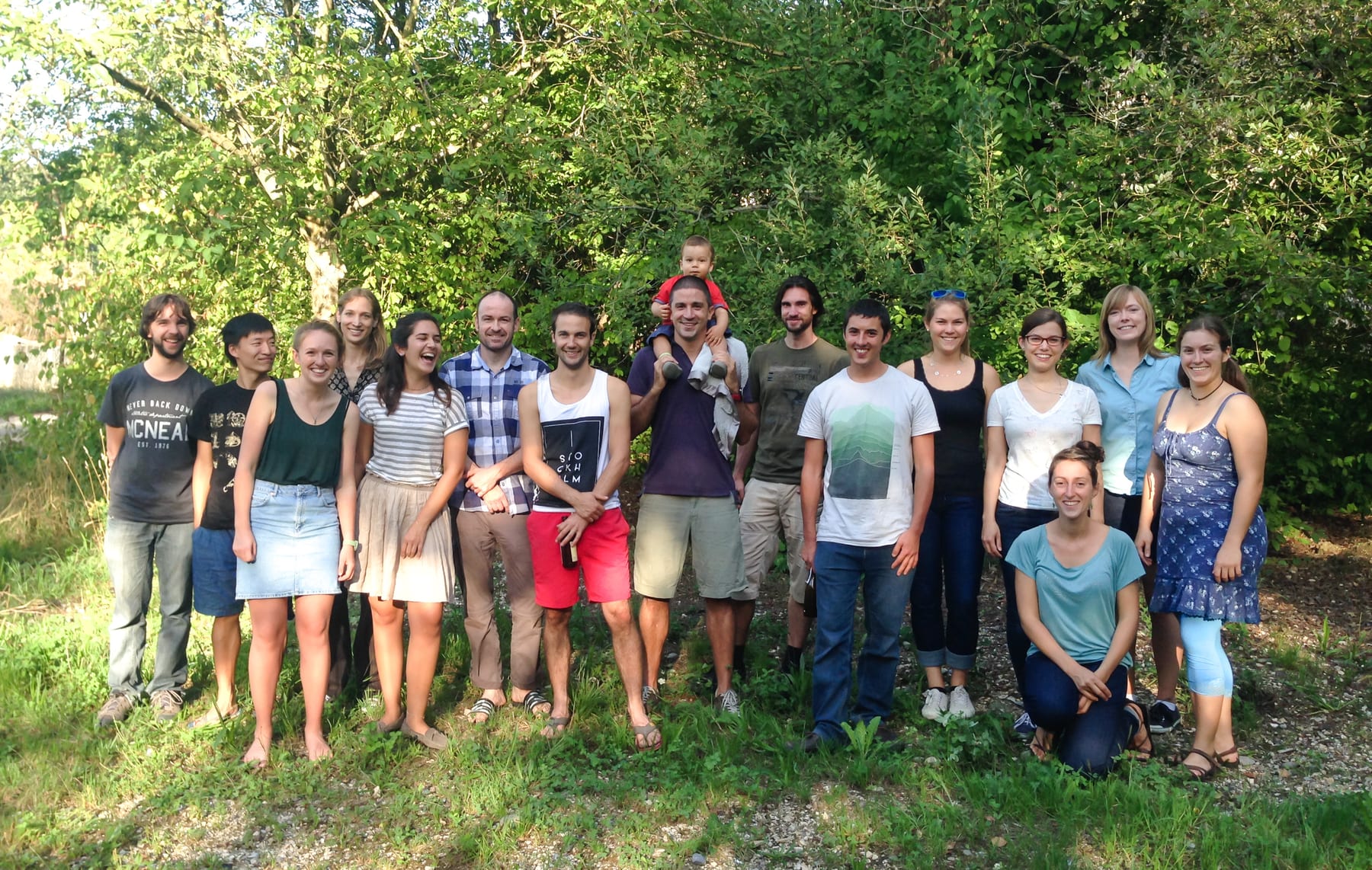
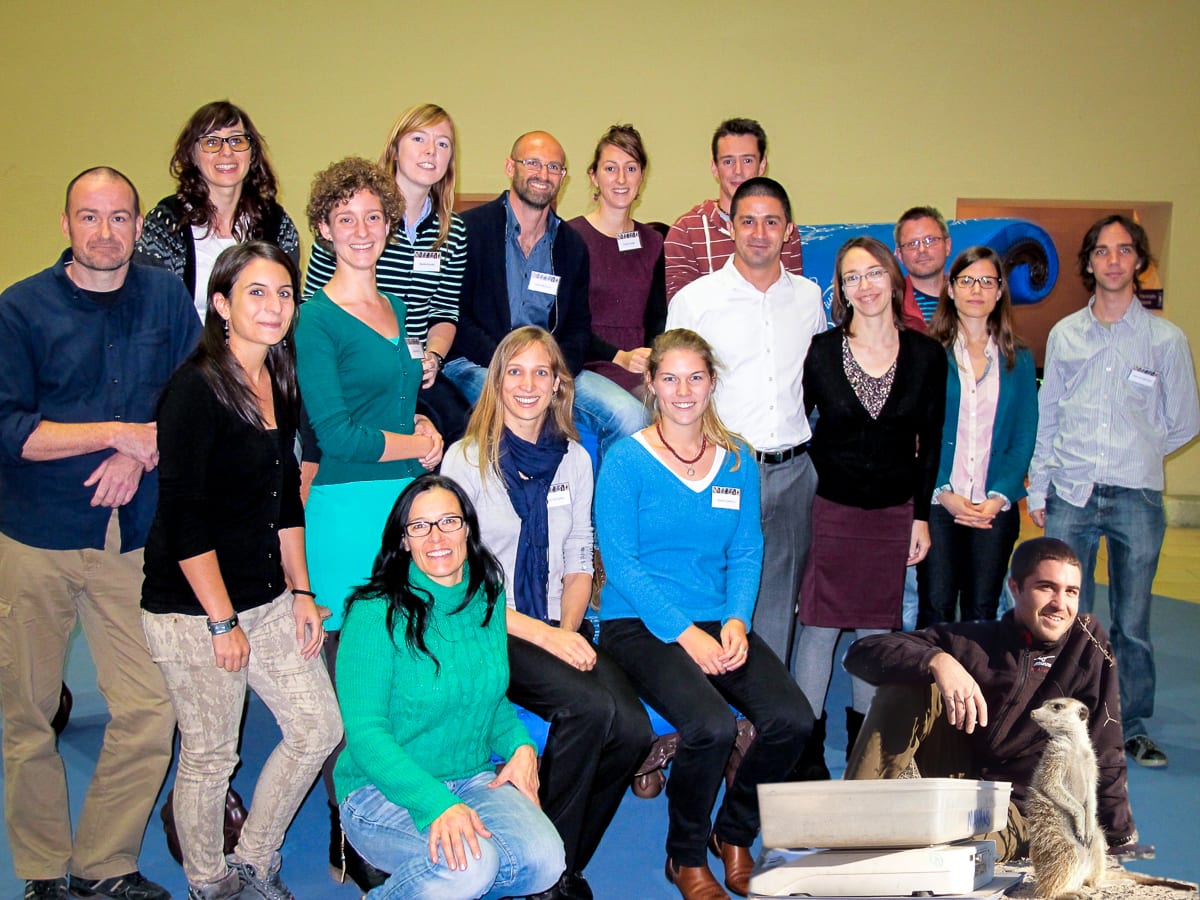
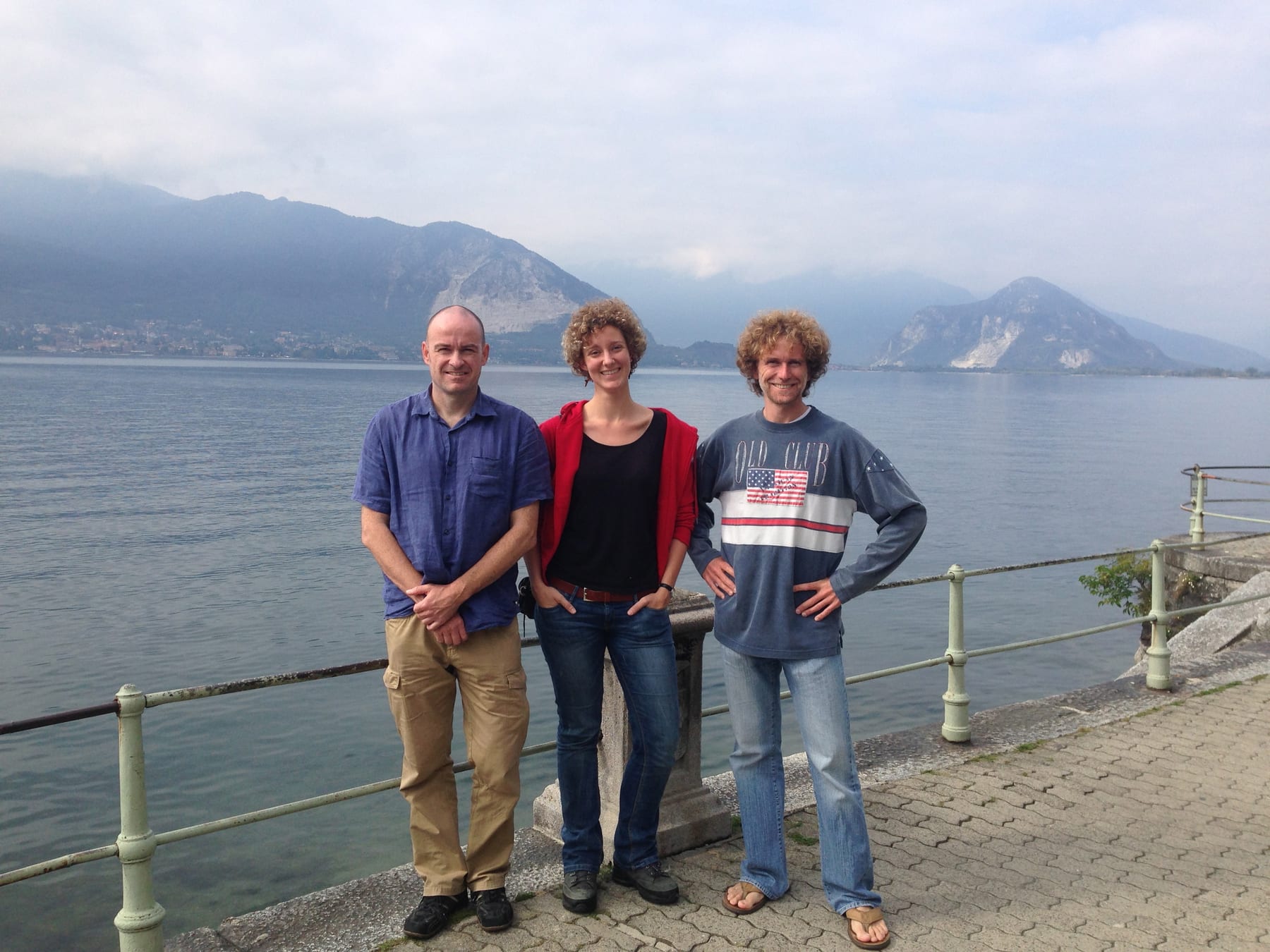
A rare opportunity for a group & affiliates photo. Taken during the apero following my inaugural talk, the reason why I am dressed like a bible salesman.
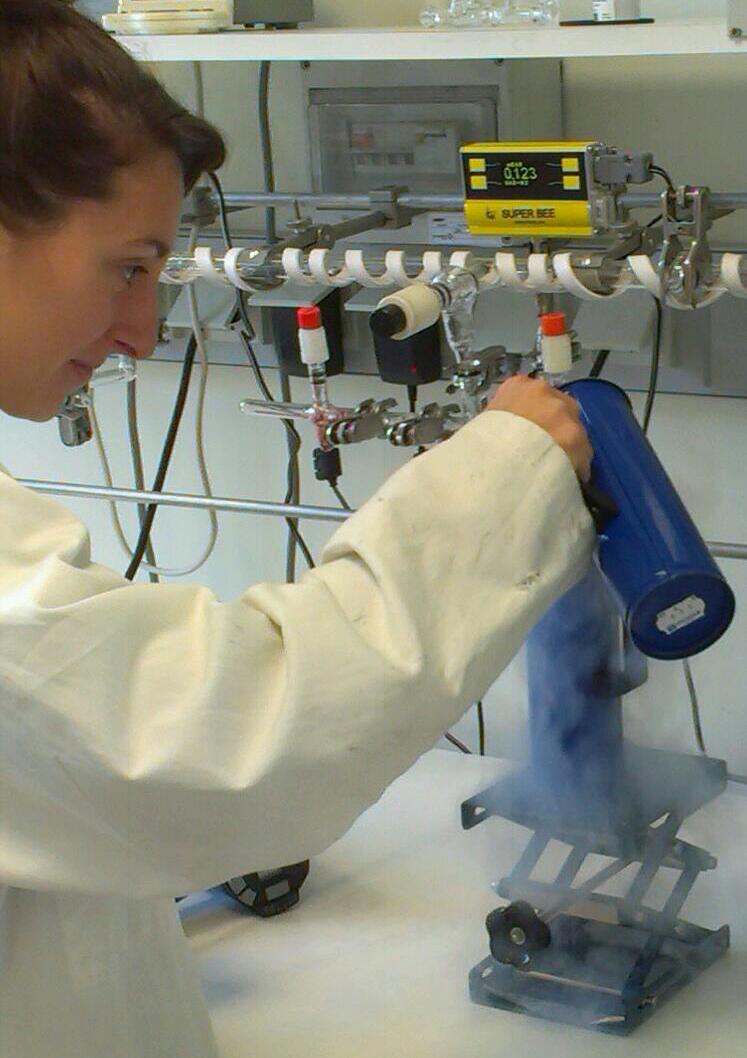
While some are tracking meerkats in South Africa, others are developing complex models in Zurich, I was doing laboratory work at the “Institut Pluridisciplinaire Hubert…
“Claude Bernard and Charles Darwin, two geniuses from 19th century, initiated each in their own way and from disjoint areas, the contemporary biological revolution. Physiological…
After 5 weeks spent in South Africa it is time to draw the first conclusions regarding our new-born project on dispersal in meerkats. I do not want to sound presumptuous but I feel…
Today I felt like going on a first (blind) date: being nervous and excited at the same time. Or perhaps this is more what marriage feels like: eager to be tied to your partner(s)…
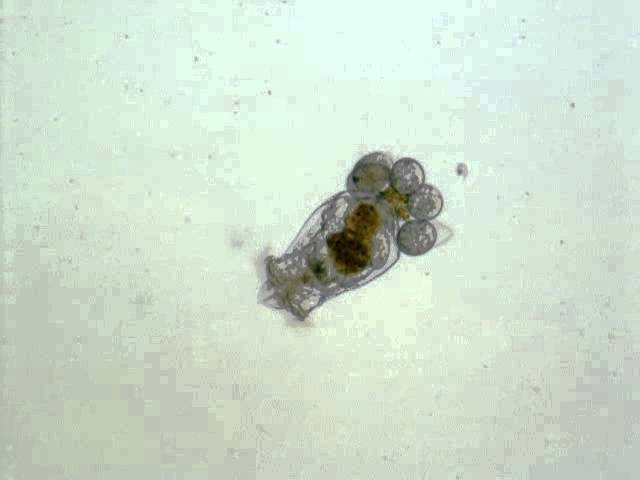
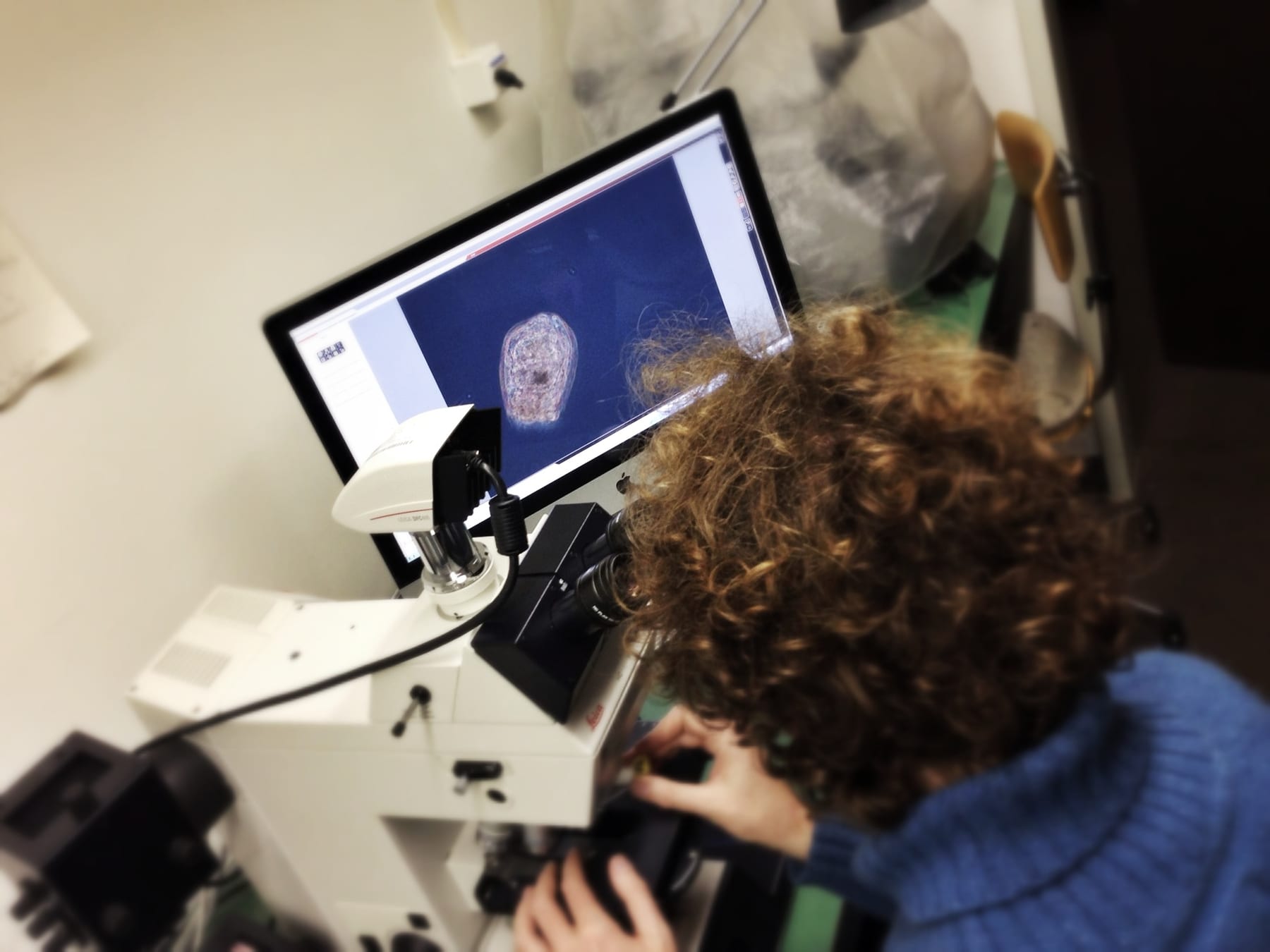
Here’s a beautiful “studio” shoot of our laboratory’s cover girl, Rotiferella, taken by Stefan using a stereomicroscope. This is a mictic female of…
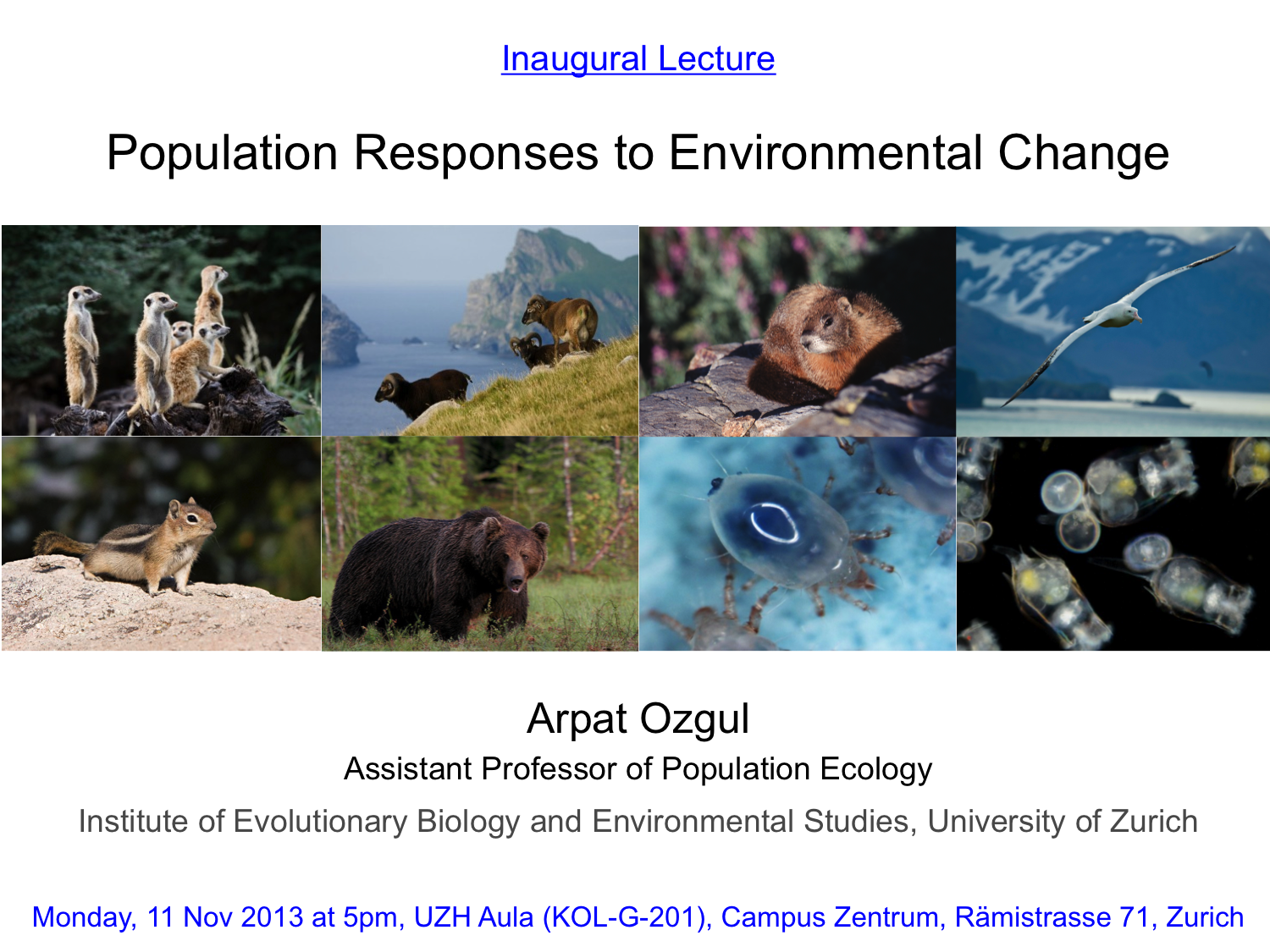
Our Lab is proud to announce Arpat’s “Antrittsvorlesung” (inaugural lecture), which will be held Monday, 11 November 2013 at 5 pm at the University of Zurich. I…
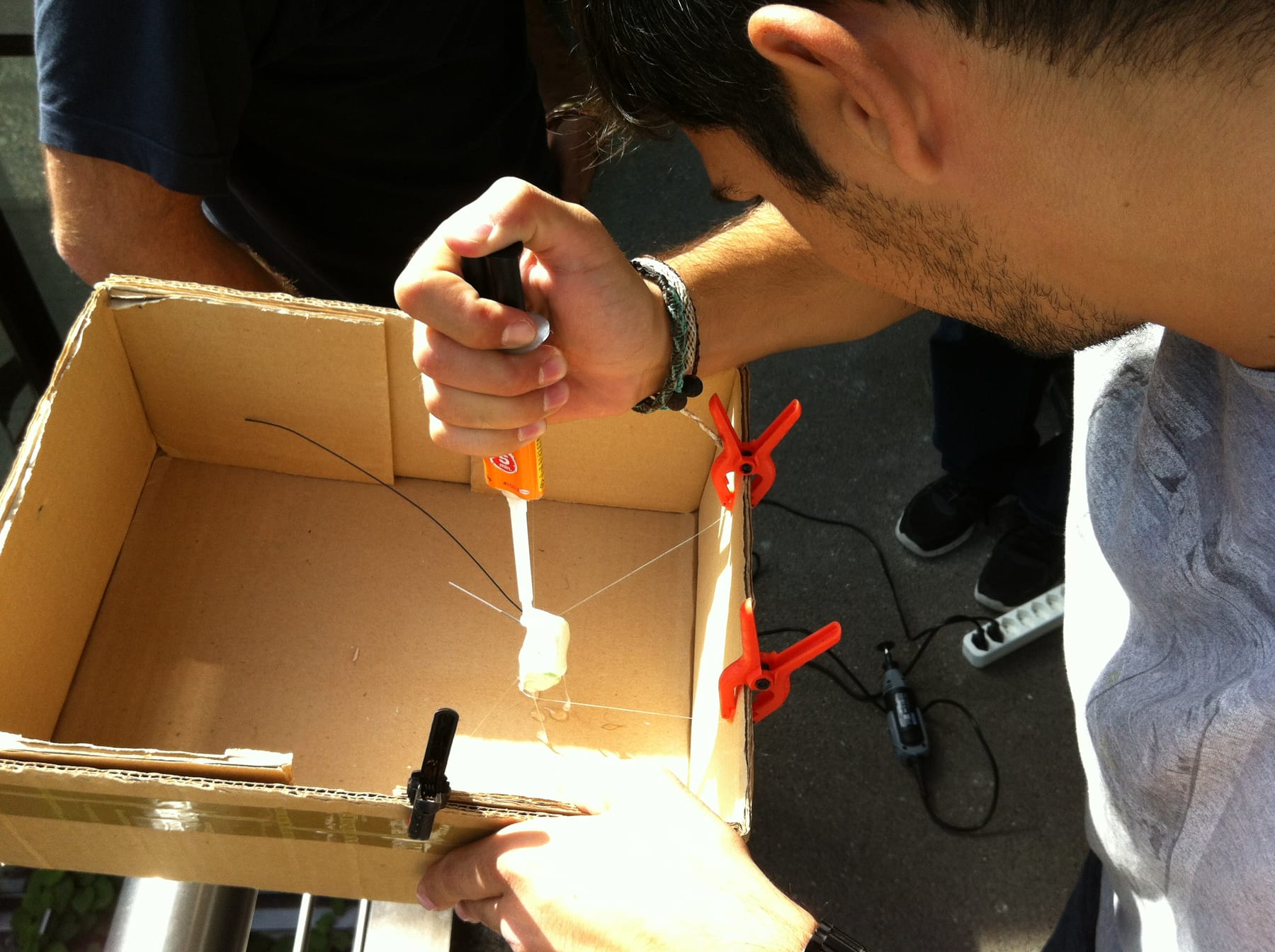
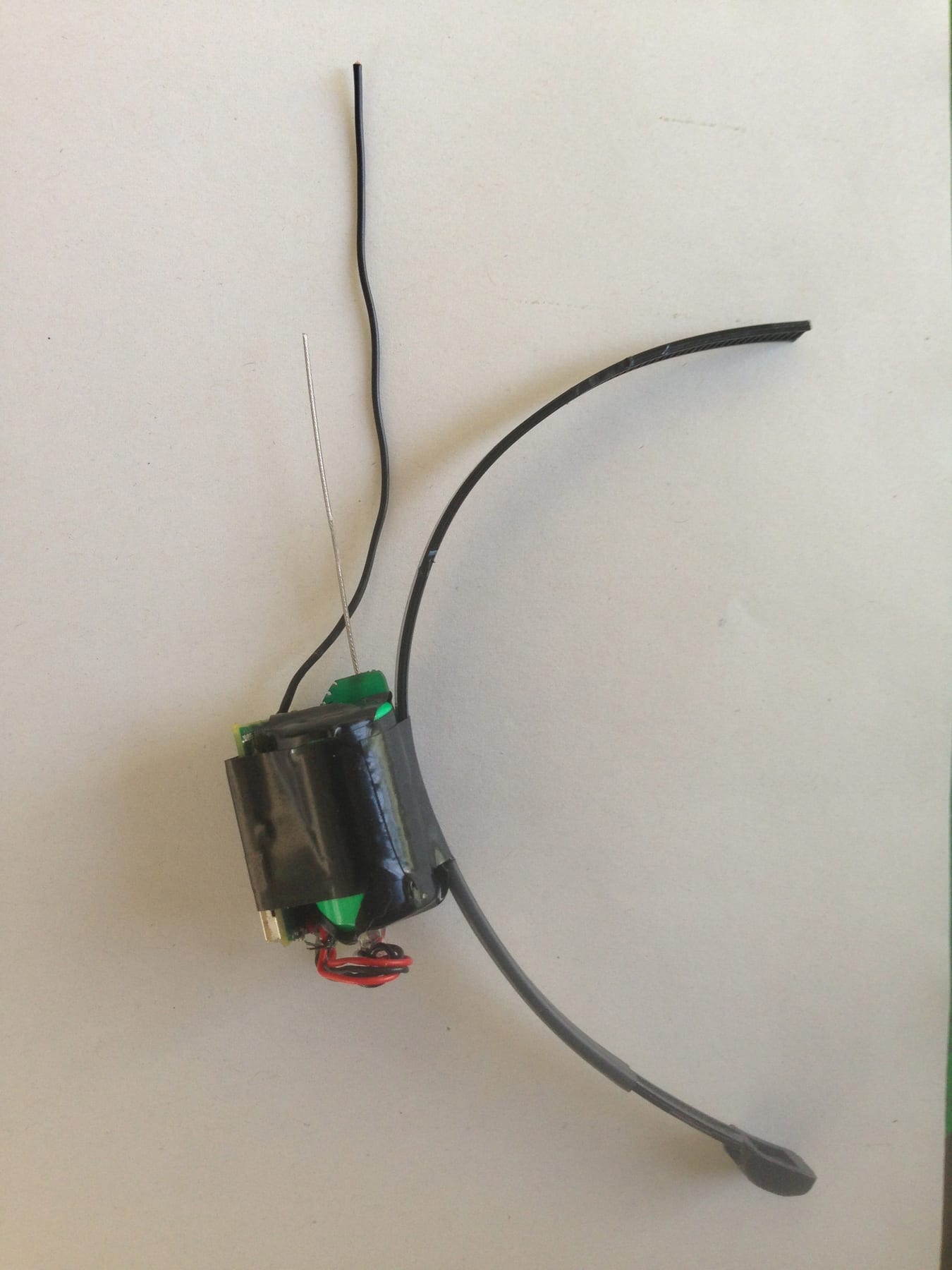
Cable tie and epoxy instead of diamonds My name is Maag – Nino Maag, and I am about to start my PhD in the Population Ecology lab. During my study, I will investigate dispersal…
As from Thursday onwards, we are now part of the Family of Rotiferologists. This will be the most important family to deal with in my coming PhD years. Arpat, Stefan and I were…
“What’s evolution got to do with math?” This is an article I wrote (in Turkish) on the mathematical analysis of microevolutionary process, focusing on demography,…
If this picture makes you think that it is a holiday place, it is not… This is the nature reserve of La Grande Sassière (45 ° 29′N, 6 ° 58′E), located in the Alps where I spent the…
At the beginning of May, at the end of the winter, which on the mountains of north-east Turkey lasts unexpectedly long, it was finally time to go into the field and check on the…
After an exhausting and… interesting (I believe this is the politically correct term) road trip Arpat and I finally arrived at the Kalahari Meerkat Project research station along…
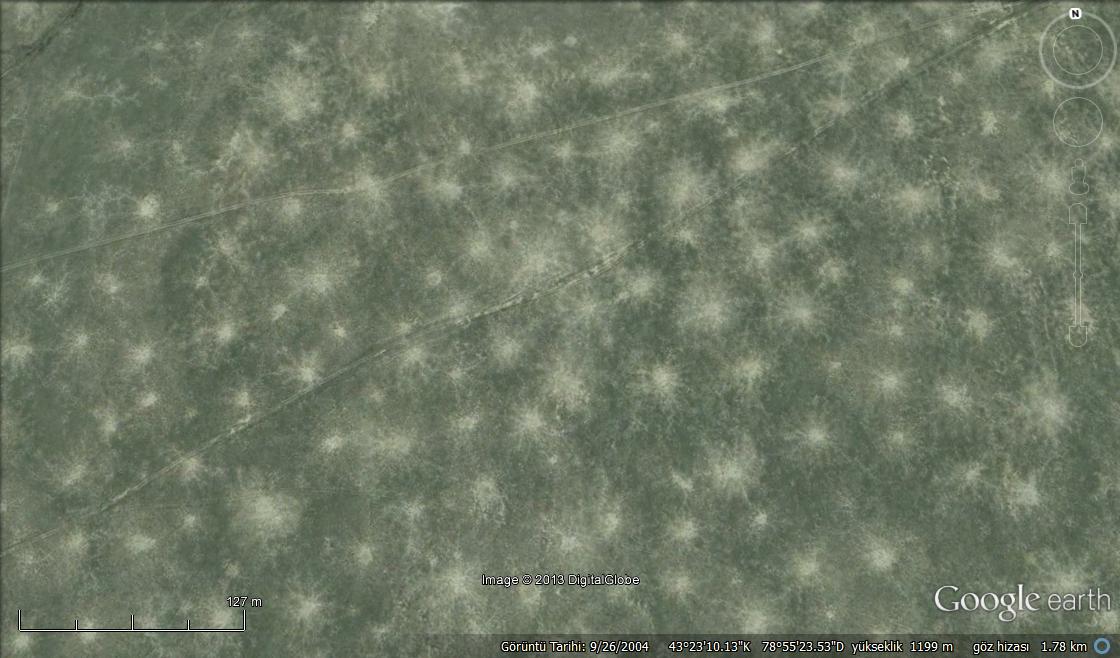
I received an interesting email from a geologist, also a close family friend. While researching for a road project at the Kazakhstan-China border, he became curious about the…
“Backyards of ecology” This is an article I wrote (in Turkish) on the importance of long-term ecological research, focusing on two exemplars from US and UK and…
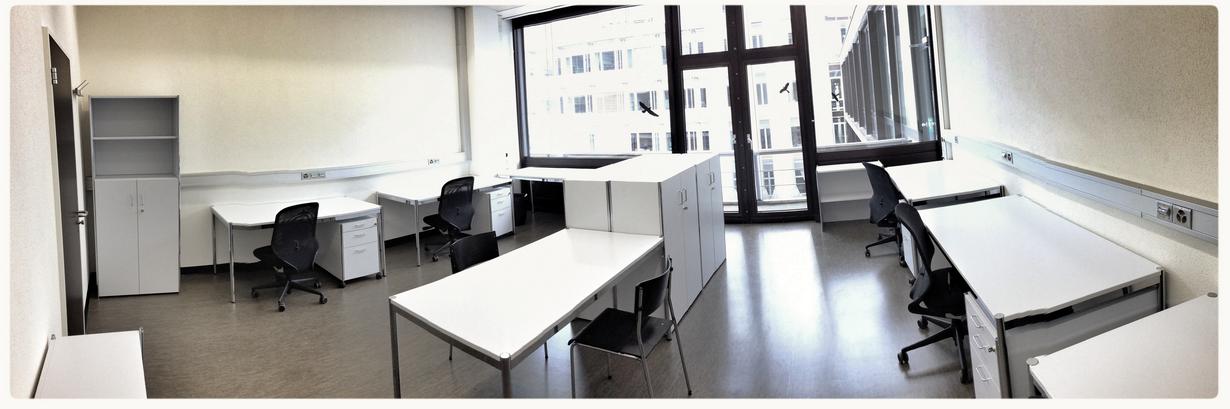
We just got the keys to our new headquarters. Too clean and empty… let’s see how long it will take us to transform it from this hospital-like look to a…
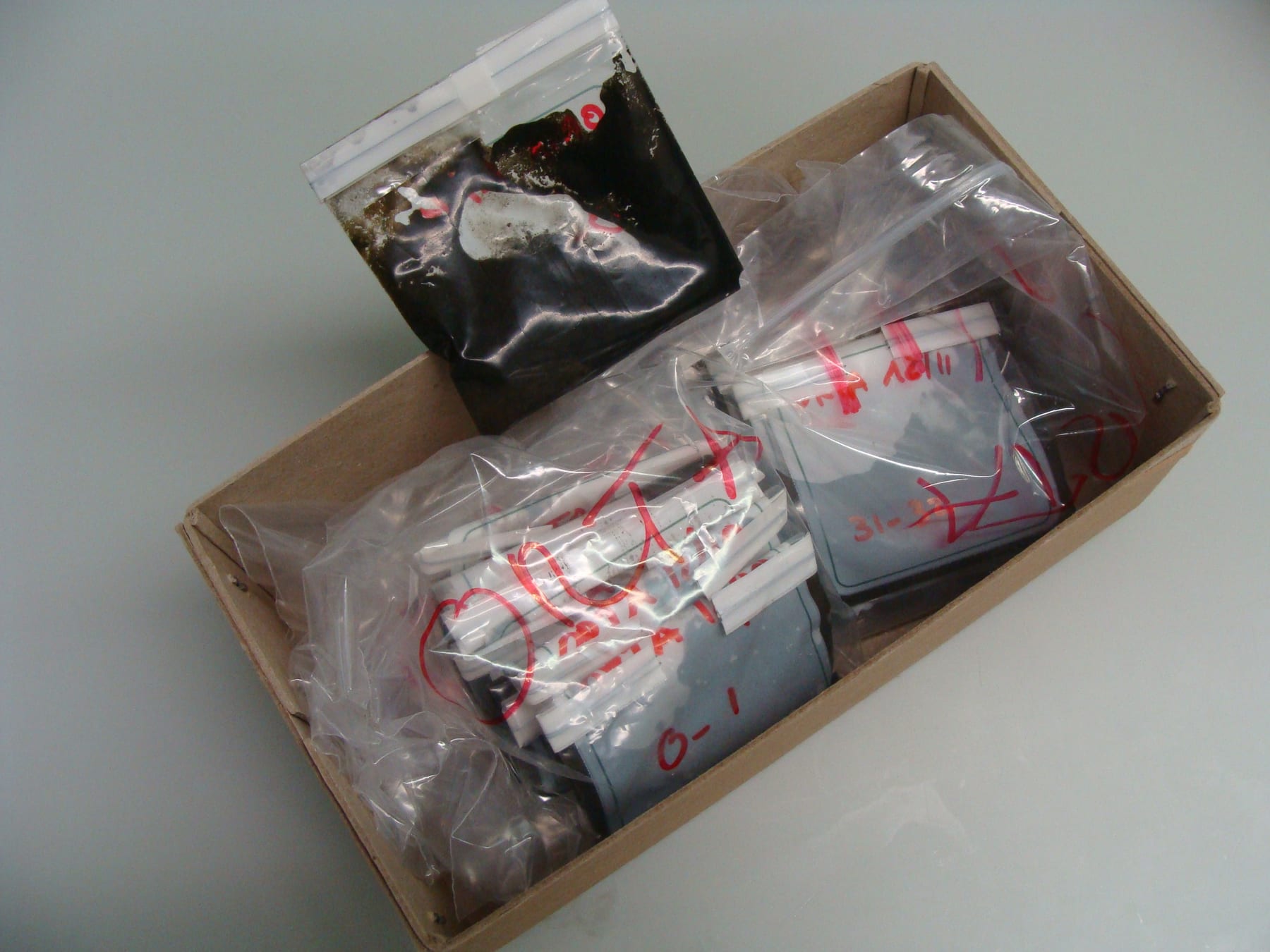
Our first rotifers, algae, lab equipment and chemicals have finally arrived, and Dr. Diego Fontaneto came over from Institute of Ecosystem Studies (Verbania) to teach us how to…
Congratulations to Cindy Canale, for receiving the prestigious and well-deserved AXA Postdoctoral Research Fellowship for her project on adaptive responses of Alpine marmots to…
After a few busy months of settling in a new country and academic environment, our new research group finally started to shape up. This website/blog is launched with the aim of…