African savanna antelopes need space to cope with a changing climate
Our new research shows that for antelope populations in East Africa, it is not just about the weather but where they can roam. This is why we need big, connected spaces for conservation.
In East Africa’s savannas, antelopes are vital for a healthy ecosystem. They shape the vegetation, spread seeds, recycle nutrients, and provide food for other animals. A natural, ever-changing mosaic of plant types, water sources and weather forms a delicate balance with the antelopes, and people and a changing climate are disturbing it more and more. To protect these hotspots of biodiversity and keep the ecosystem working, we need healthy antelope populations.
Earlier studies have shown that the number of antelopes in an area changes with the place, the season and the year, but none had looked at all of these together. Doing so tells us which matters most.
In our new paper in Population Ecology, led by Lukas Bierhoff, a graduate student in our department, we used seven years of antelope counts from the Tarangire Ecosystem in Tanzania, in a collaboration between our group and the Wild Nature Institute. Of the five species we studied (impala, dik-dik, Grant’s gazelle, eland and waterbuck), numbers rose and fell together from year to year with the weather. Yet for four of them, numbers differed more from place to place than over time. What mattered was how close a place was to water and to people, and what plants grew there. This suggests both food (from the bottom up) and avoiding predators (from the top down) decide where antelopes live.
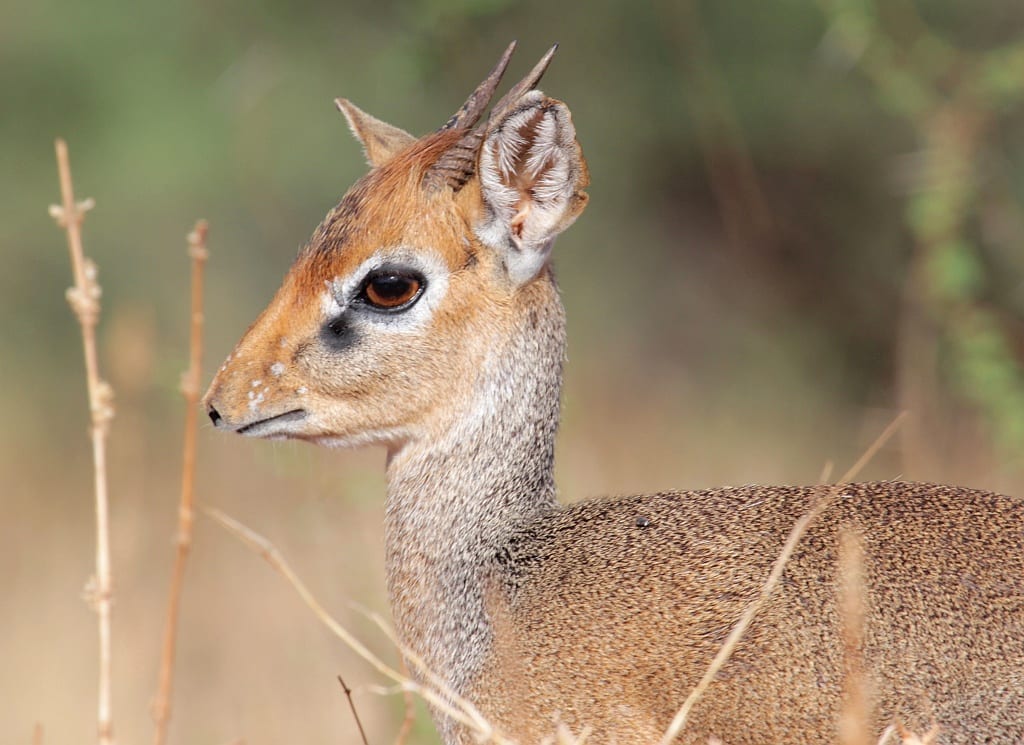
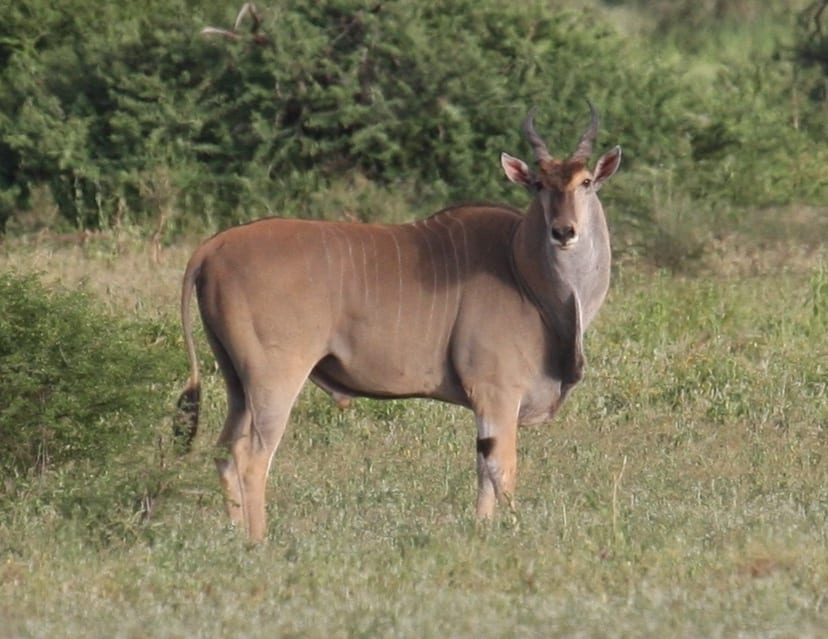
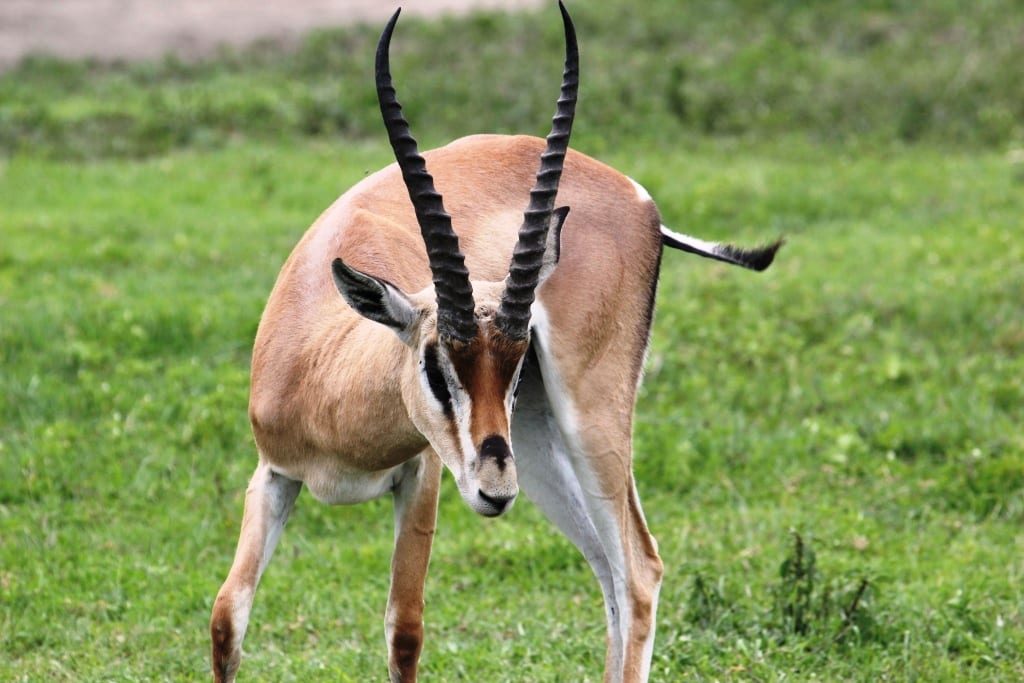
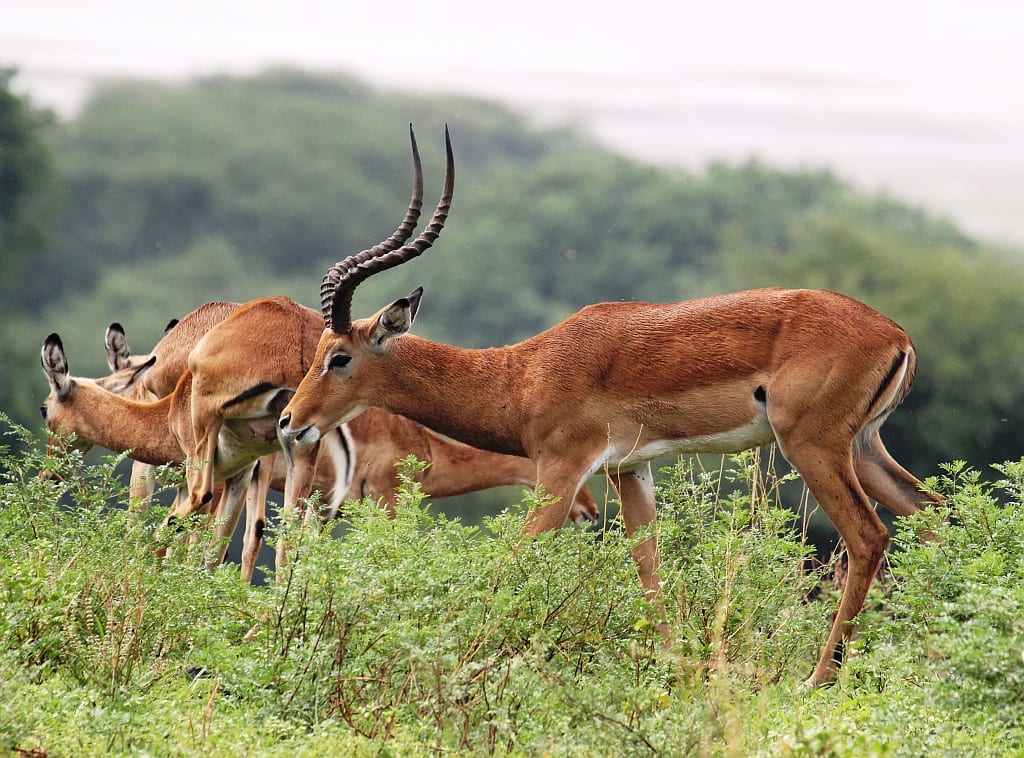
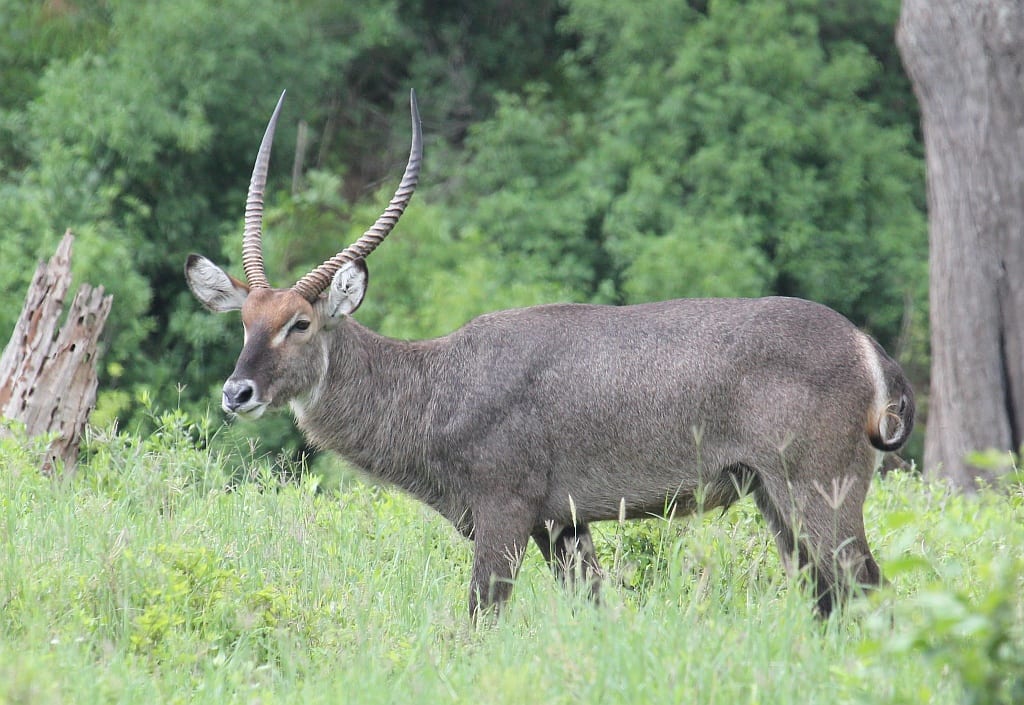
In the Tarangire Ecosystem, antelopes cope with changing weather and with food and water that come and go by moving from place to place. Lukas said “these results demonstrate that antelopes depend upon water and forage availability, but are flexible in their responses to climatic variation when they have the option to move and seek out the necessary resources for the current conditions.”
Helping antelopes move across space to adapt to climate and habitat changes
People are changing savanna habitats and the climate fast, so we need conservation that works, to keep antelopes and everything they do for healthy ecosystems. “Providing habitat options for the antelopes enables them to respond to a temporally changing world by moving across space,” Lukas said. In other words, the best way to keep nature rich and working is to protect large, connected areas with different kinds of habitat and water that never dries up.
We also found two groups of antelopes whose numbers rise and fall together (impala, dik-dik and waterbuck; eland and Grant’s gazelle). The species in each group might respond in the same way to the same conservation measures, which would make management more efficient.
What helps, according to senior author Derek Lee of the Wild Nature Institute: protecting rivers and other water sources from being diverted or polluted, reducing bushmeat poaching, keeping and restoring the routes animals use to move around, and keeping the variety of natural plant communities. Antelopes matter for Tanzania’s economy as well as its nature, so keeping their populations thriving is a win-win for people and wildlife.