Climate change threats to a short-lived primate
Climate change alters temperature and rainfall patterns, particularly in the tropics, and this can threaten the survival of wildlife populations. Yet we know little about how changes in heat and rain play out for tropical mammals. In our new paper in PNAS, we looked at this in the gray mouse lemur, a tiny primate of western Madagascar. Together with our colleagues Claudia Fichtel and Peter Kappeler, and Maria Paniw, we followed the lives and deaths of the lemurs using data collected by the German Primate Center between 1994 and 2020.
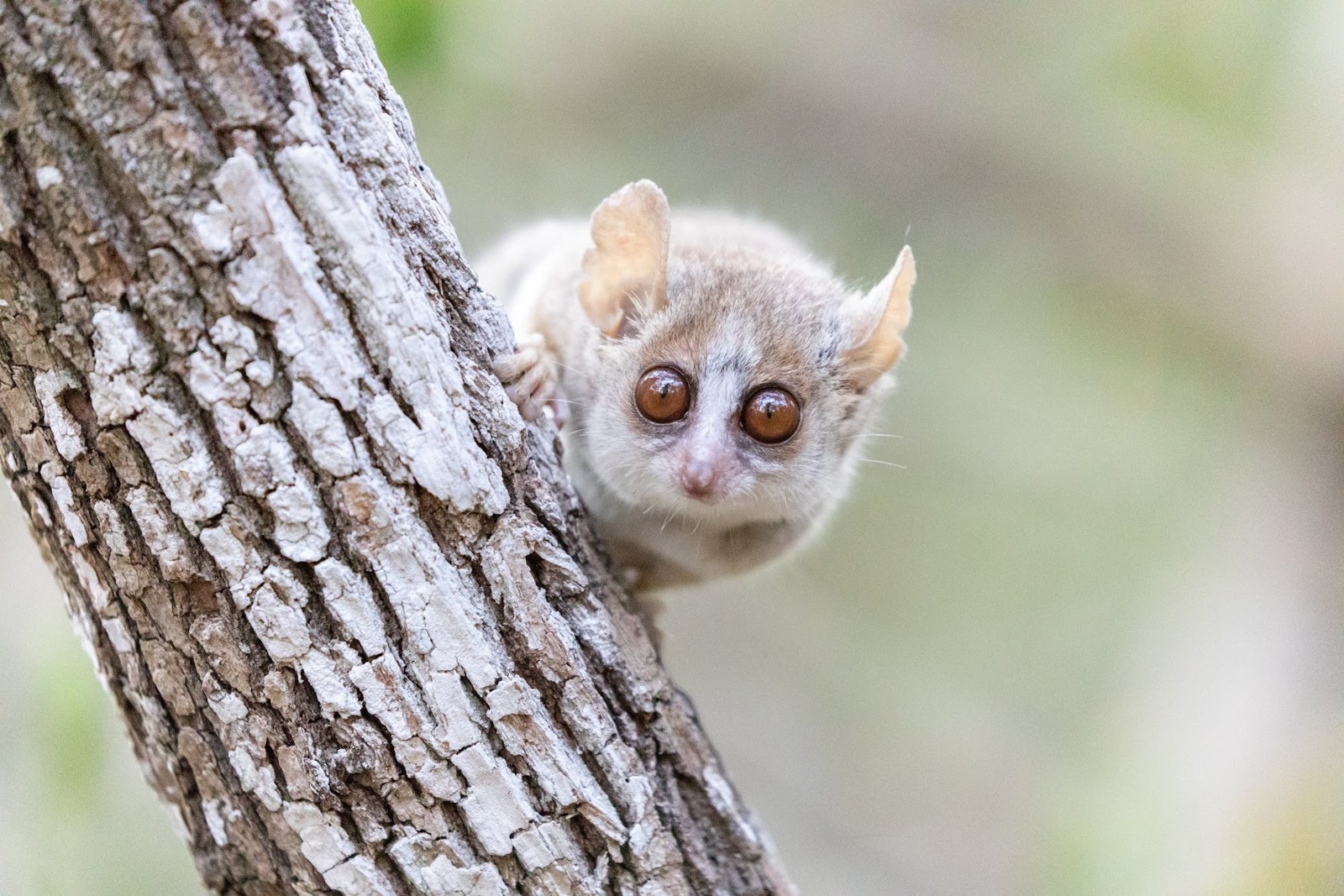
In the lemurs’ forest, the wet season has been bringing less and less rain, and the dry season has been getting hotter. These trends, we found, led to fewer lemurs surviving but more young joining the population each year. The two trends have balanced each other, so the population has not collapsed. But they have destabilised it by speeding up the lemurs’ life cycle even more, which was already one of the fastest among primates. Our projections for the next five decades suggest that if the recent temperature and rainfall continue, lemur numbers will swing up and down more and more, putting the population at a higher risk of dying out.
Short-lived mammals that breed a lot are expected to adapt quickly to a changing environment. Our results show that such species can still be threatened with extinction by climate change. The work is part of our project on populations under environmental change.