Where snow leopards are welcome: mapping human acceptance in northern Bhutan
Habitat maps show where a large carnivore could live, but not whether the people there will tolerate it. In our new paper in People and Nature we combine a map of snow leopard habitat in northern Bhutan with a map of how local people feel about the species.
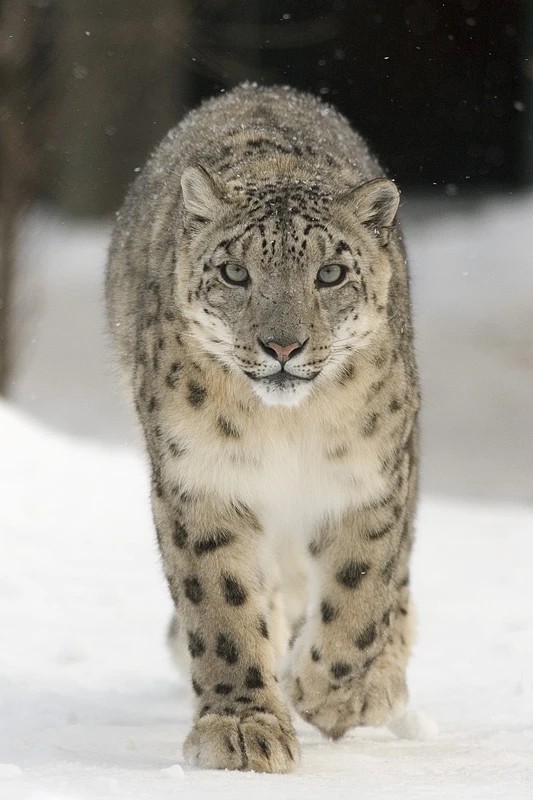
In northern Bhutan, snow leopards share alpine meadows with yak herders, and the loss of livestock can turn people against them. In 2018, forest staff interviewed people from 1,046 randomly chosen households around six protected areas, using a questionnaire adapted from our earlier study of wolves in Switzerland.
Of the 835 people who answered every question, 79% were in favour of snow leopards and 12% against. Acceptance was higher among men, crop farmers, and people who knew about the fines for killing a snow leopard and the livestock insurance scheme, which only 27% knew of. It was lower at higher elevations, among yak herders and collectors of Cordyceps (a valuable mushroom), and among people who had lost livestock.
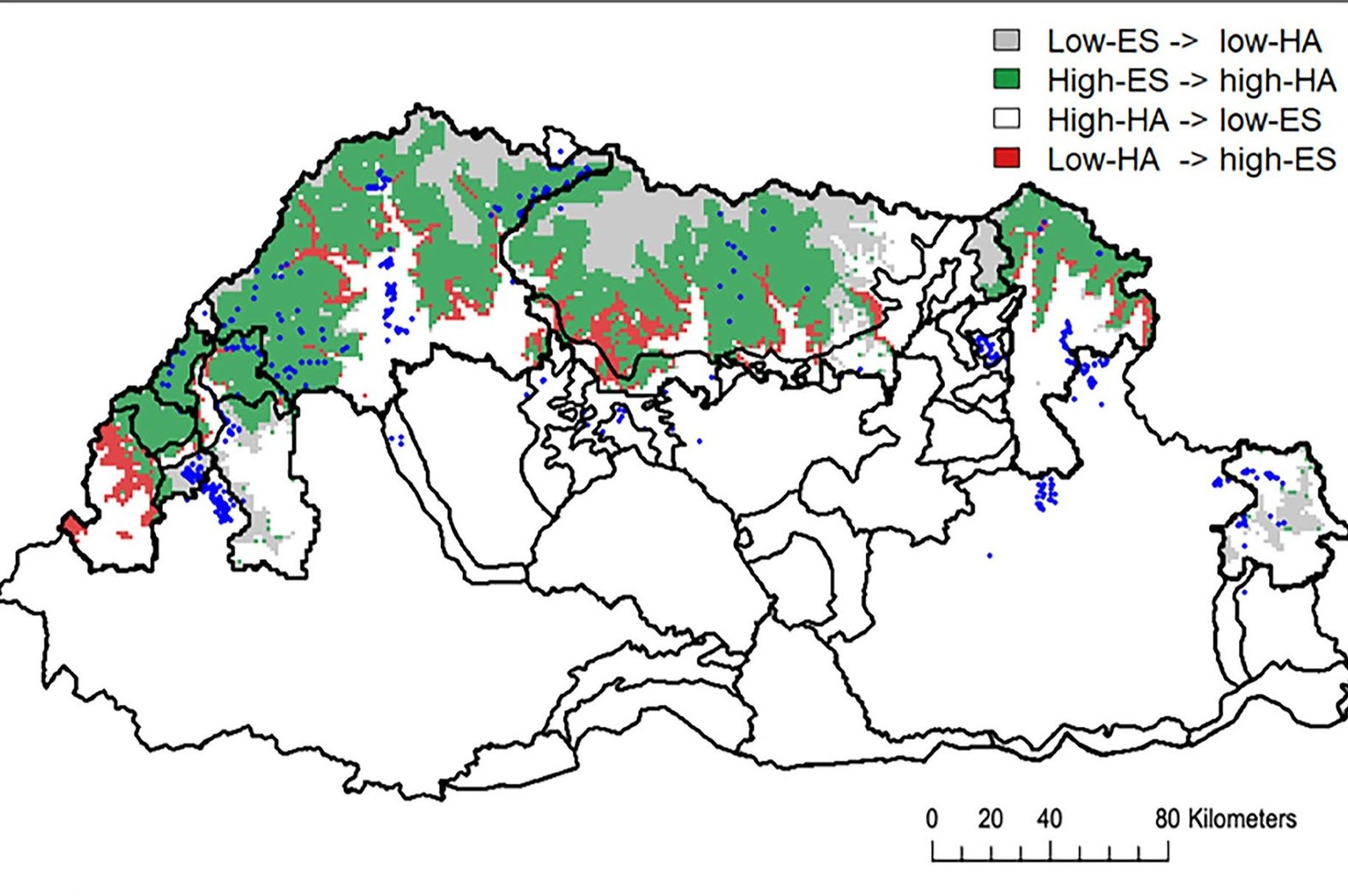
Laid over the habitat map, the acceptance map shows that suitable habitat where snow leopards are also accepted covers 5,696 km², 41% of the study area and 91% of all suitable habitat. Suitable habitat with low acceptance, where conflict could arise, covers 2,003 km² (15%).
No one in Bhutan has been reported killing a snow leopard in revenge for lost livestock. To keep it that way, we recommend better livestock protection, fair compensation, wider awareness of the insurance scheme and the law, outreach to women, who tend the livestock and were the least accepting, and working with monasteries. The study comes from Dechen Lham’s PhD in our group, with Dominik Behr, Stefan Sommer and Gabriele Cozzi (Snow leopards in Bhutan).