Evidence-based management of wild ungulates in Switzerland
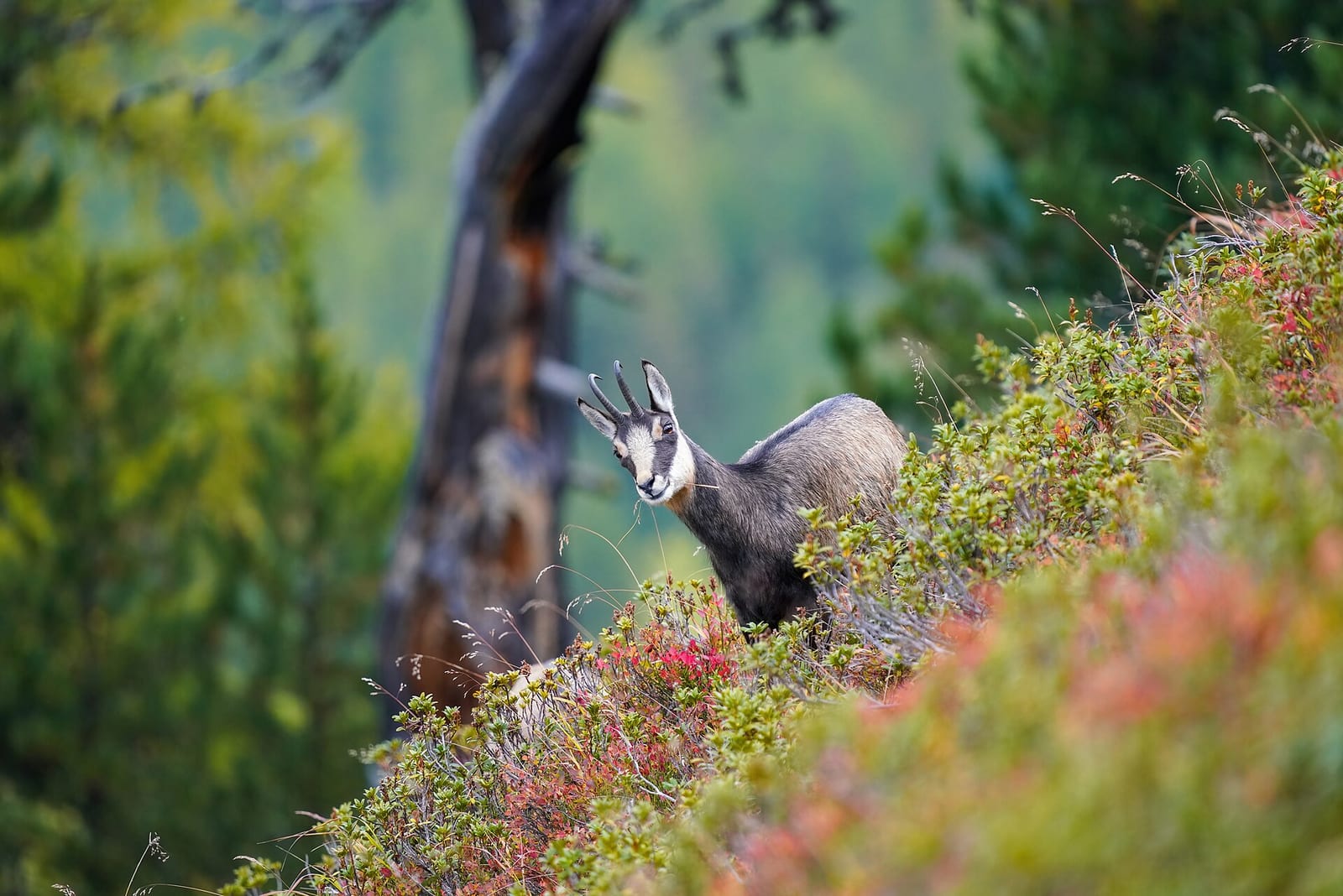

For several years, we have studied how wild ungulates in Switzerland can be managed on the basis of good data. The latest step is SUMA, the Swiss Ungulate Management project, in which we work with the cantons of St. Gallen, Fribourg and Basel, the Swiss National Park and several research partners to build a shared, science-based way of managing roe deer, red deer, chamois and wild boar, in line with the national goals for biodiversity and conservation.
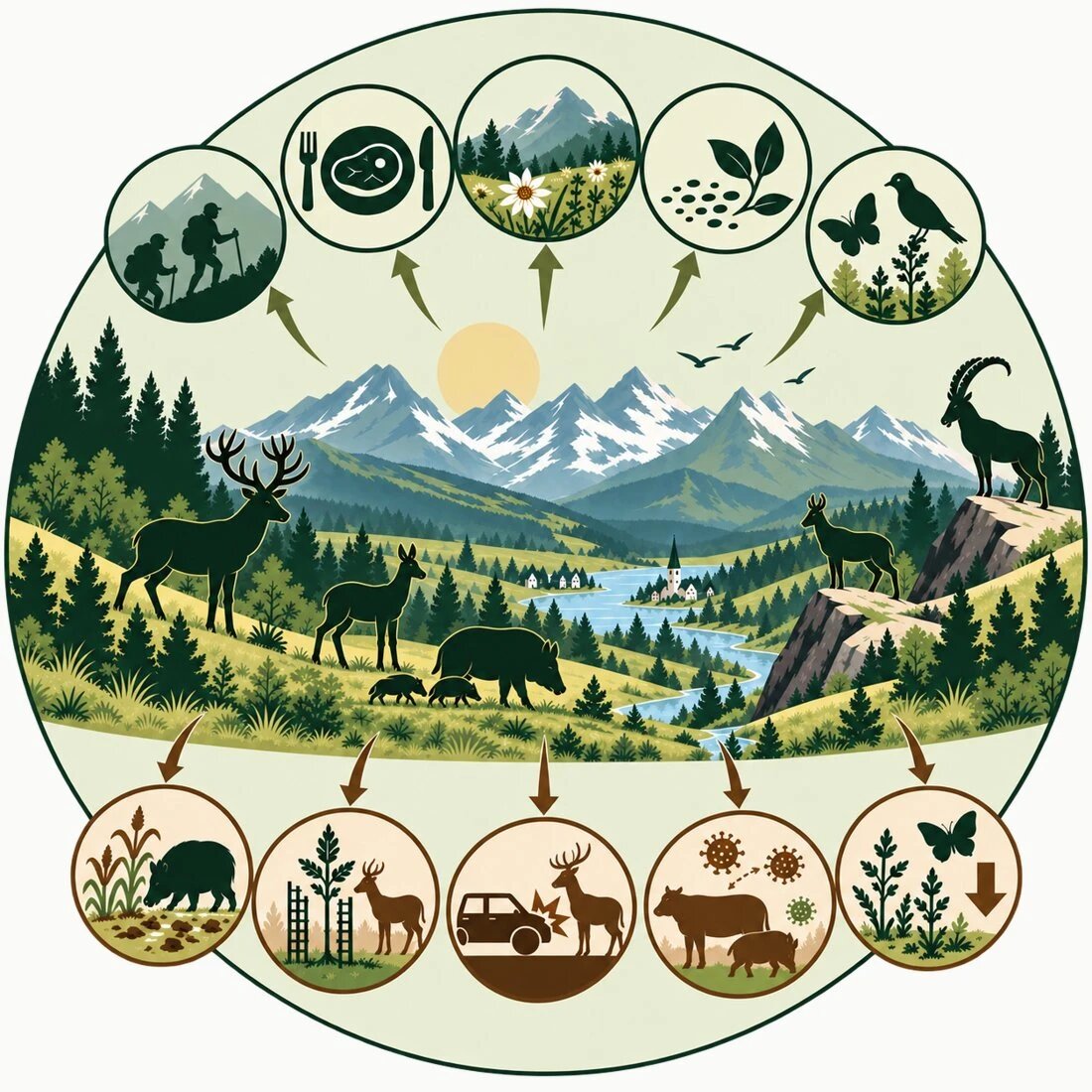
Wild ungulates shape whole ecosystems. Their grazing and browsing decide which plants grow and how vegetation develops, they feed large carnivores and recycle nutrients, and they bring meat and income from tourism. They also browse young forests, damage crops and cause traffic accidents. Managing their populations well matters for biodiversity and for reducing conflicts between people and wildlife, and it needs monitoring data that are comparable between cantons and trusted by those who use them, and models that show what different decisions would lead to.
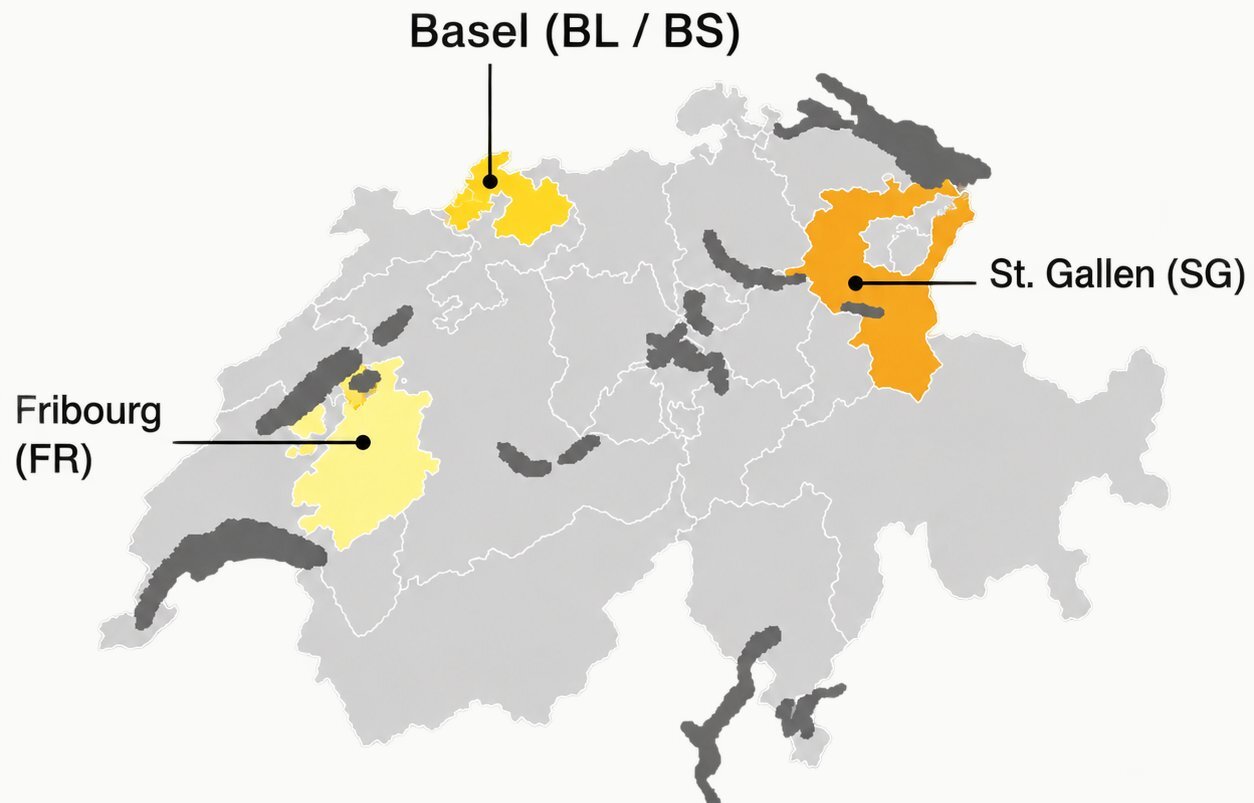
In SUMA, the three cantons are our model cantons, and the Swiss National Park, where ungulates are not managed, is our reference. At the first workshop, cantonal authorities, hunters, foresters and scientists mapped what holds ungulate management back today and where it should go. The project answers each challenge in turn: shared standards for collecting and monitoring data, checks of data quality, population models and predictions, and an adaptive management cycle developed with the cantons, which weighs ecological and socio-economic needs together. Beyond Switzerland, we coordinate with initiatives that bring wildlife and biodiversity observations together across borders: the European Observatory of Wildlife, created within ENETWILD, and GBIF, the Global Biodiversity Information Facility. Two PhD projects are part of SUMA.
More on the project website: suma-project.ch →
People: Benedikt Gehr, Daniel Breitenmoser, Dominique Waldvogel, Alessandra Fritsche