Eco-evolutionary mechanisms and demographic consequences of dispersal in socially structured populations
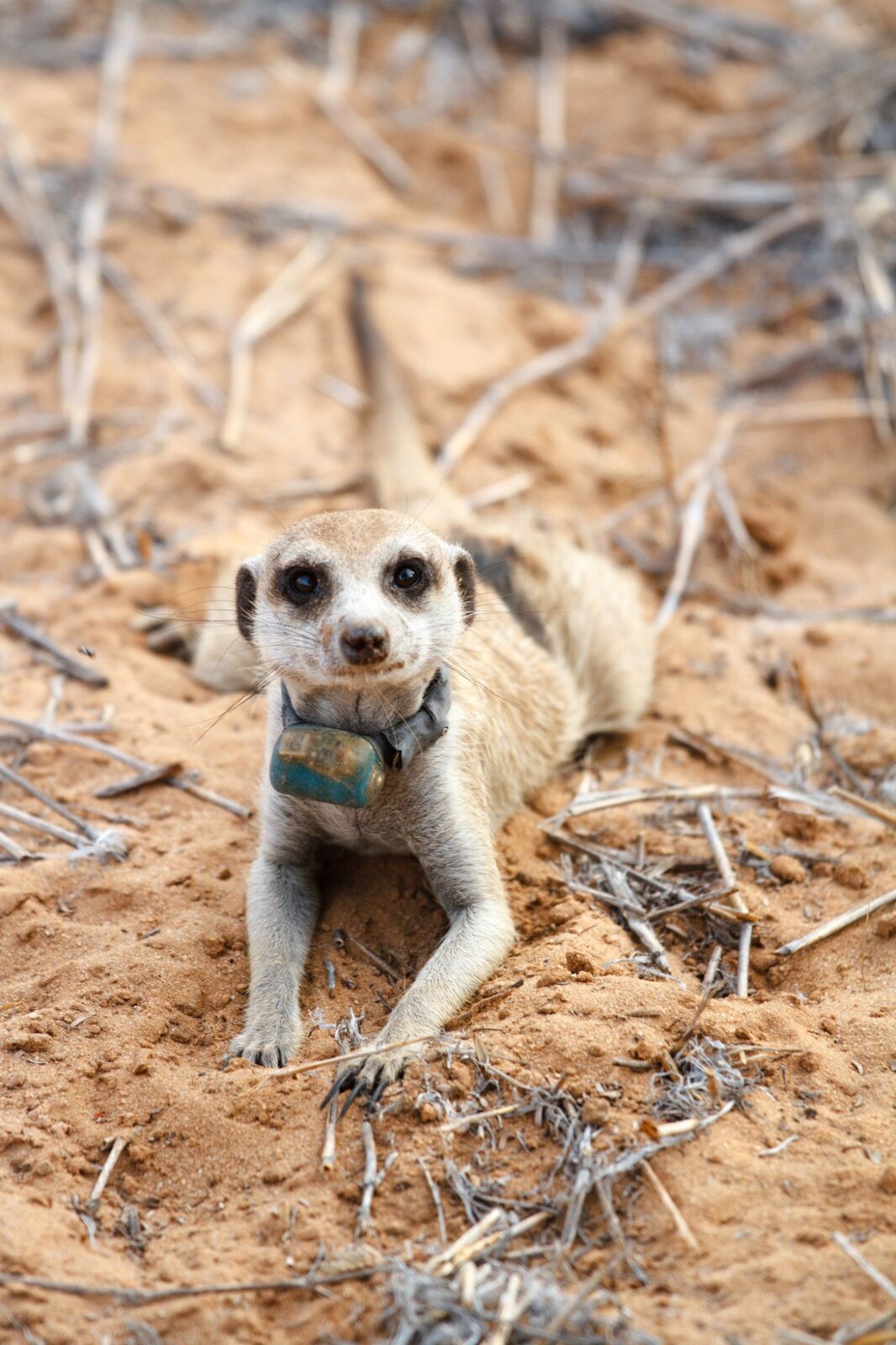
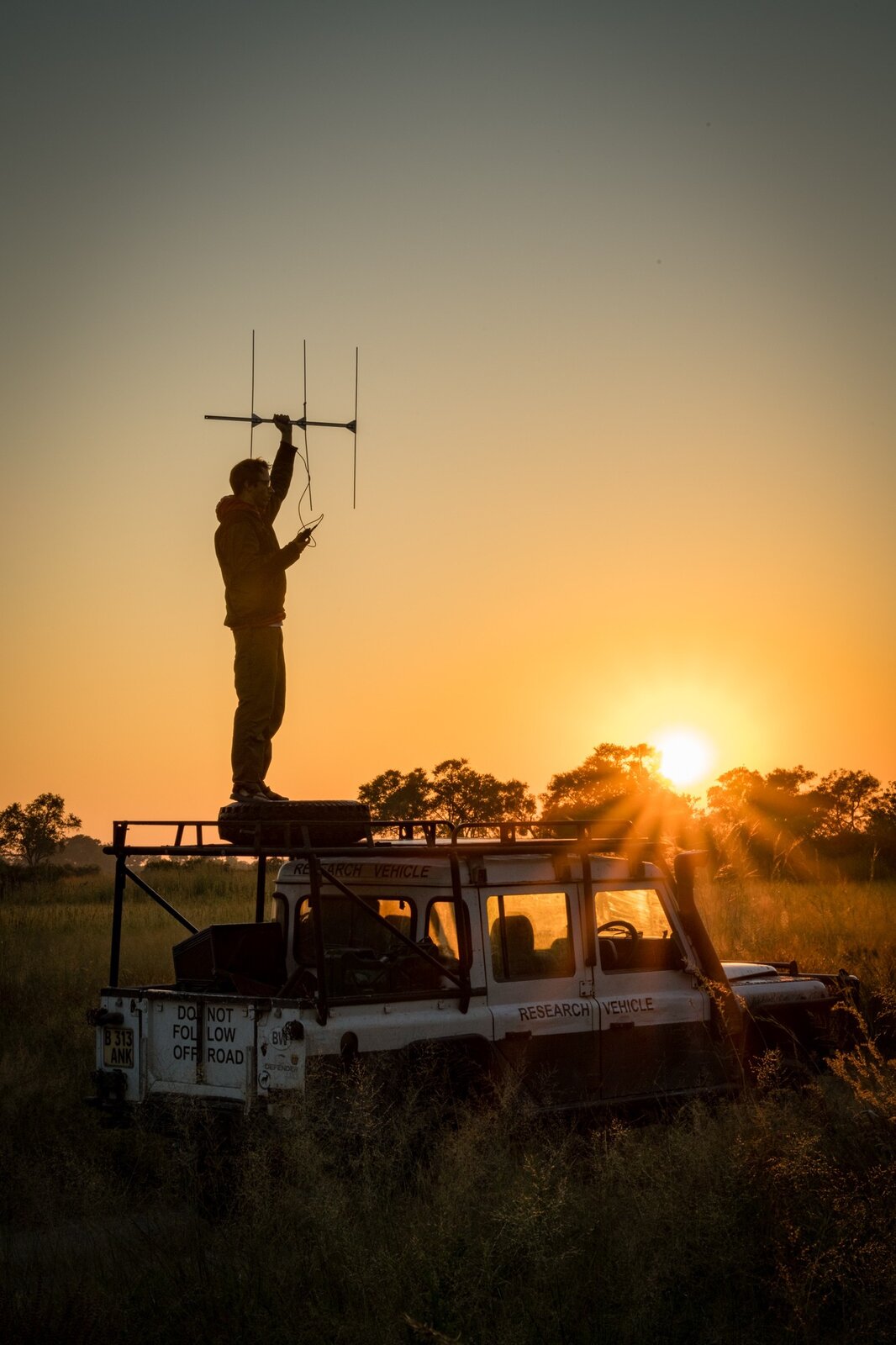
Dispersal, the move from the group where an animal was born to a new one, is a crucial but rarely studied part of the dynamics of social species. This interdisciplinary project brought together biologists at the University of Zurich and engineers at EPFL to study the mechanisms and demographic consequences of dispersal in the Kalahari meerkat. It combined long-term individual-based data on meerkat groups with new telemetry: miniaturised GPS collars that recorded dispersal trajectories over several months, and collars with motion sensors (accelerometers and magnetometers) that recorded what dispersers were doing.
How dispersers move and settle. After leaving their group, dispersing coalitions moved so as to avoid unrelated groups: the social landscape shaped their routes far more than the physical one. Emigration and settlement were most likely at both low and high population densities and least likely at medium densities. Dispersing females used faeces and urine as scent marks, for territory and mate finding.
What dispersal costs. Dispersers lost body mass and had raised stress hormone levels in unfamiliar habitat and a changing social environment. Those that spent more time foraging and less time on guard survived better. In newly founded groups, subordinate females bred more than they would have at home, compensating for the high costs of dispersal, and pregnant dispersers could delay the development of their embryos, a strategy otherwise known from only a few bat species, so that the first litter was born once a territory was found.
Reading behaviour from collars. The engineering team developed methods that recognise meerkat behaviours (vigilance, resting, foraging, running) from accelerometer data with over 95% accuracy, showed what magnetometers add, and identified fine-scale foraging events.
From groups to populations. Matrix models linked group dynamics to population growth while accounting for dispersal. The work continues in our project on populations under environmental change.
Years: 2015–2019
Funding: SNSF (Interdisciplinary Projects)
People: Gabriele Cozzi (project coordinator), Nino Maag (PhD student), Pritish Chakravarty (PhD student, EPFL), Natasha Harrison (MSc student)
In collaboration with:
Marta Manser (University of Zurich)