Conservation biology of amphibians and reptiles in Switzerland
Supervised by Benedikt Schmidt
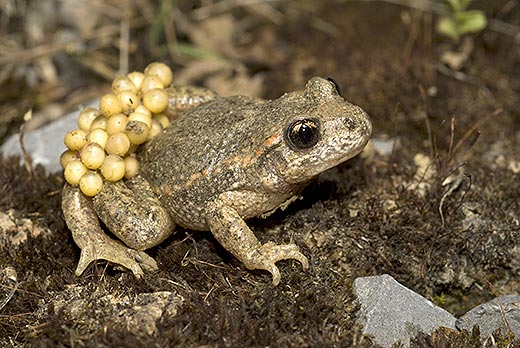
Human activity is the cause of the ongoing biodiversity crisis. We study the conservation biology of amphibians and reptiles to understand how conservation problems can be solved, and population declines halted or even reversed. In doing so, we would like to contribute to evidence-based conservation.
We study the dynamics and genetic structure of metapopulations that live in human-made landscapes. We would like to know how the metapopulations function and how they respond to changes in the landscape (e.g., is there an extinction debt?).
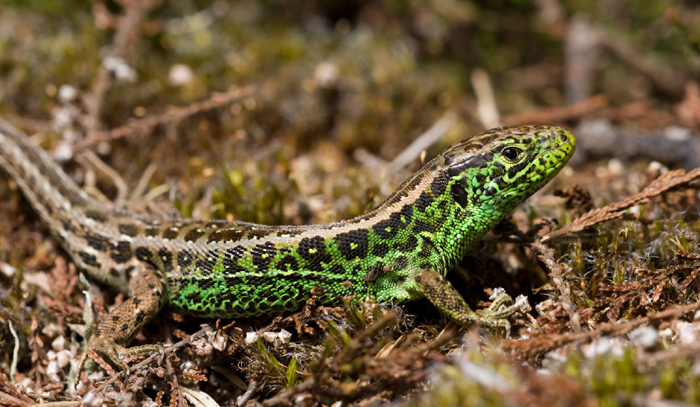
We also study the dynamics of single populations. For example, how do climate and climate change affect the dynamics of alpine amphibians?
We also study how conservation activity affects metapopulations. For example, we ask whether translocations are successful and whether we can increase dispersal rates in metapopulations. To address these questions, we must know how one can survey and monitor populations reliably. Therefore, we also study monitoring methods.
In addition, we study whether conservation action is successful. We select conservation actions and assess the success of these projects. We would like to know which conservation actions had the greatest positive effects on threatened species.
In collaboration with: