Climate change helps marmots in summer but hurts them in winter
Many animals have adjusted their lives to the predictable rhythm of the seasons. Short, mild summers bring a burst of plants and food, the perfect time to give birth to young. Long, harsh winters with little food have shaped animals to live largely off their fat and, in extreme cases, to hibernate or migrate.
Climate change is now altering these seasons. Temperatures are rising, there is less snow in winter, snow melts earlier, summers are getting longer, and extreme events such as droughts and floods are becoming more common.
In our new paper in PNAS, led by Line Cordes, we found that climate change affects marmot survival differently in summer and in winter. We analysed 40 years of records collected at the Rocky Mountain Biological Laboratory in Colorado, USA, to see how yellow-bellied marmots (large burrowing ground squirrels) have fared during their active summer and during their long winter hibernation.
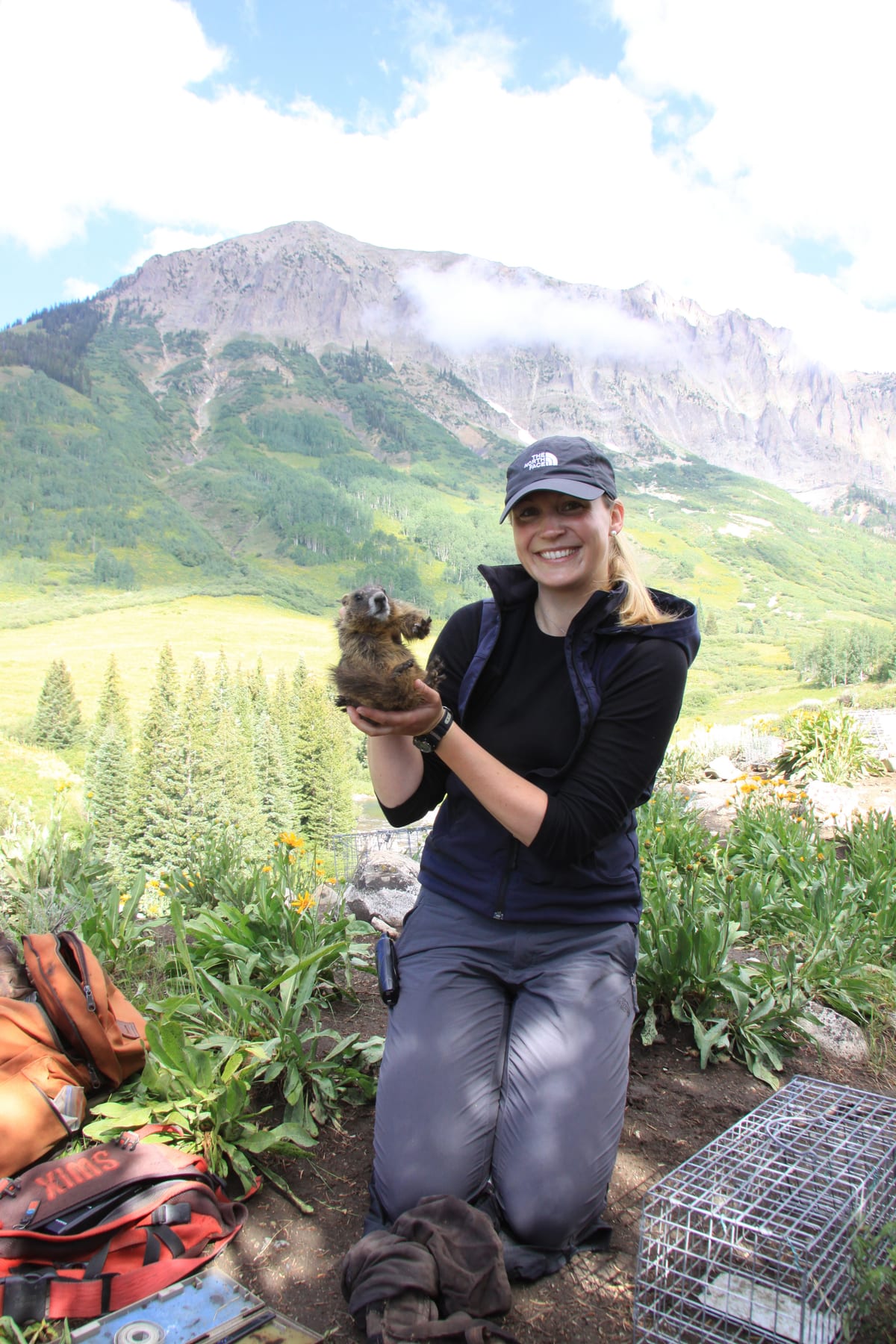
Yellow-bellied marmots are a good species for telling apart what climate change does in each season, because their year is so clearly split in two. They live in western North America, where climate change is more evident than anywhere else on the continent except the Arctic. Although they are large for a rodent (up to 6.5 kg), they are too small to stay active in winter, so they hibernate for about eight months. They depend on the fat they put on over the summer, and even in deep hibernation they can lose up to 40% of their body weight.
Over four decades (1979–2018), marmots generally survived the summer better but the winter worse, and these changes were largest for pups and one-year-olds. At the study site, winters have become warmer with less snow, and summers warmer, drier and much longer. What drove survival differed between ages and seasons. For example, pups survived the summer better after winters with little snow, perhaps because their mothers were in better shape during pregnancy and while caring for them, as plants appeared sooner after an early snowmelt. Winter survival was lower after long, dry summers, most likely because pups went into hibernation in poorer condition.
As Arpat put it: “Our study shows that we need to characterize these complex interactions accurately in order to predict the ultimate effect of climate change on the fate of a population.” Looking only at survival over whole years can be misleading, or underestimate what is really happening, because the responses can differ so much between times of the year.
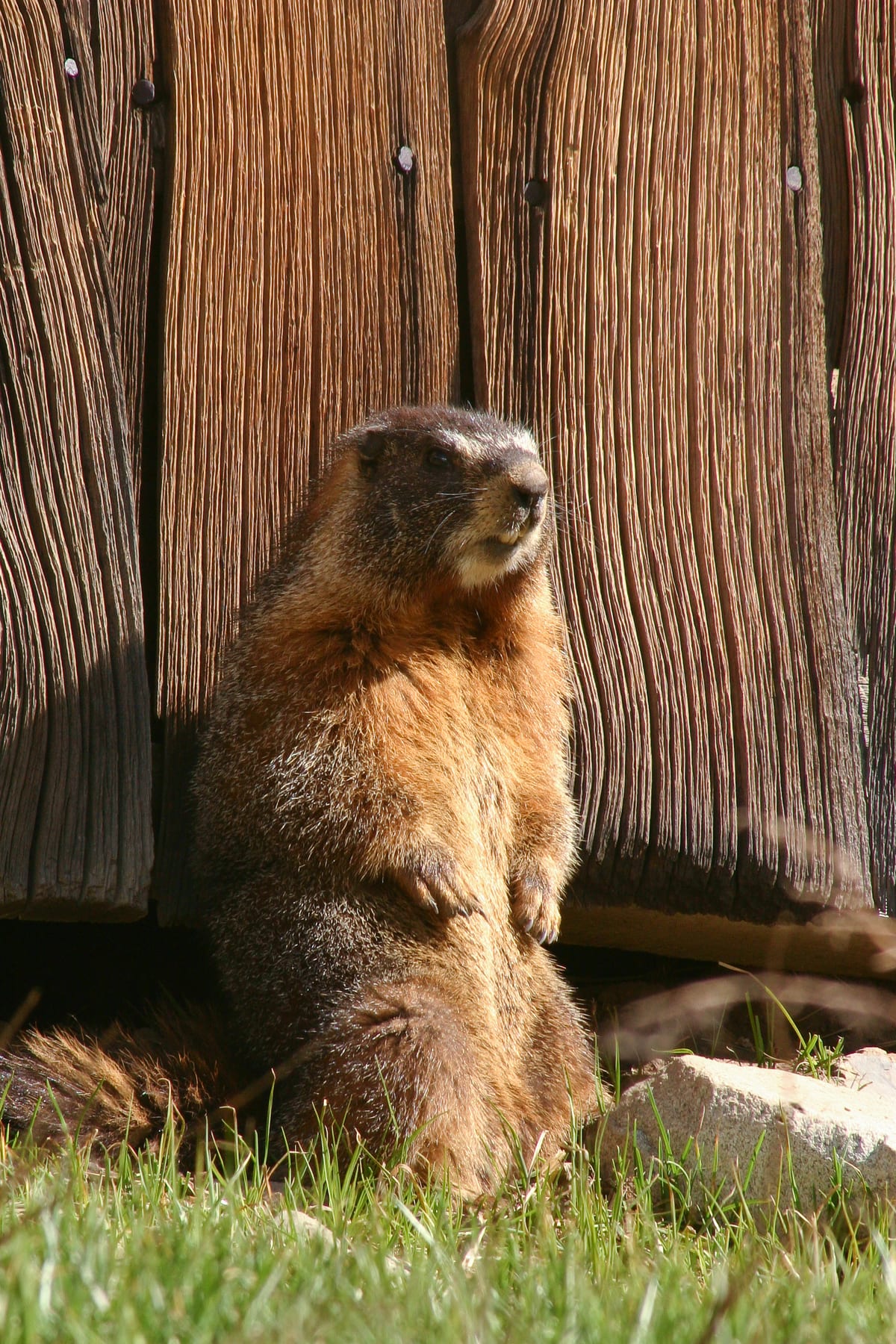
So far, climate change has helped marmots in summer and left them more vulnerable in winter. Overall, survival went down for pups, up for one-year-olds, and did not change for adults. But the summer benefit may not last: as summers get ever warmer and drier, the plants marmots eat will suffer too. Indeed, no marmot population lives in places that are always warm and dry.
Climate change may help a species in one season and harm it in another. This could matter for many other animals living with strong seasons, in deserts, mountains and polar regions, where the climate is changing fastest. For wildlife near the poles or on mountain tops, like marmots, there is nowhere to go when conditions get worse.
Line Cordes added: “Social, burrowing, herbivorous mammals, like marmots, play an important role in ecosystem function as they help shape important habitats, and serve as prey for many predators. The loss or decline of these species would likely have wider reaching implications for biodiversity of montane habitats.”
The study was carried out by scientists from Bangor University, the University of California Los Angeles, the Universities of Kansas, Sheffield, Rhode Island, Ottawa, Florida and Zurich, and the Chicago Botanic Garden, as part of our project on populations under environmental change. It would not have been possible without Ken Armitage, who started and led this project from the early 1960s, making it one of the longest-running studies of any mammal, and all the “marmoteers” who helped collect the data over the years. Nor would it have been possible without Billy Barr and the Rocky Mountain Biological Laboratory, who have recorded the local weather for decades. The study was funded by the Swiss National Science Foundation, the National Geographic Society, UCLA, a Rocky Mountain Biological Laboratory fellowship and the US National Science Foundation.