How people, food and water affect where large plant-eaters live in East African savannas
To survive, animals must find nutritious food and drinking water—sometimes during long dry seasons or cold periods—and at the same time avoid being eaten. Plant-eating mammals with hooves (ungulates) are an extraordinarily diverse group of animals and are critically important in East African savannas. Yet they must compete more and more with humans for space in a fast-changing world while also evading hungry lions, leopards, and other natural predators. In our new study in the Journal of Mammalogy, led by our former MSc student Nicholas James and done together with Derek Lee of Pennsylvania State University, we looked at what a community of hooved mammals in the Tarangire Ecosystem of northern Tanzania needs from its habitat, and how plants, water, people and the risk of meeting a predator affect where the animals go.
This was the first study of its kind in the Tarangire Ecosystem, which is home to Tarangire National Park, a favourite with tourists, and is the heart of Maasailand, where cattle herders and wildlife have thrived together for centuries. Tarangire is different from places where wild ungulates have been studied intensively, like Serengeti or Kruger National Park: here wildlife, cattle-keeping people and farmers all share the landscape, and animals can move freely because the entire region is unfenced.
“Ungulates of different body sizes have different needs and threats,” said Nicholas. For instance, adult giraffes may have less to fear from natural predators but may face more danger from humans, and smaller animals may be pickier about their food. “We wanted to know what features draw each ungulate species to certain areas so we can pinpoint important habitat for each of those species,” Nicholas said. Land managers need this to keep wild ungulate populations thriving and the landscape healthy, which is the foundation of Tanzania’s ecotourism economy.
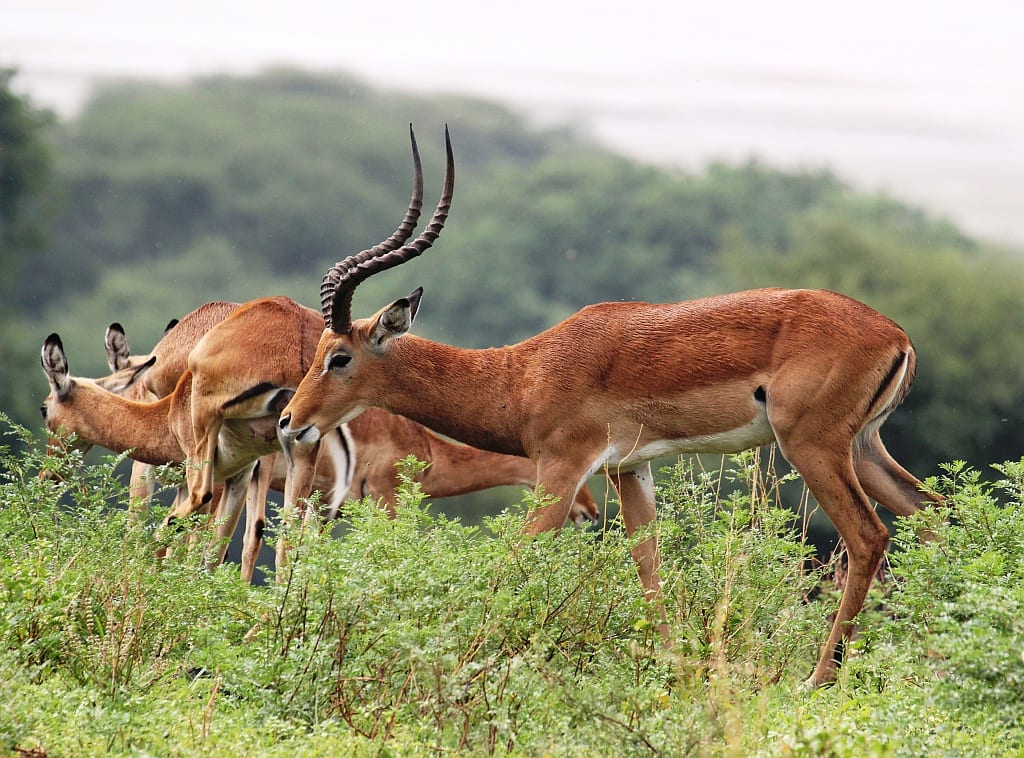
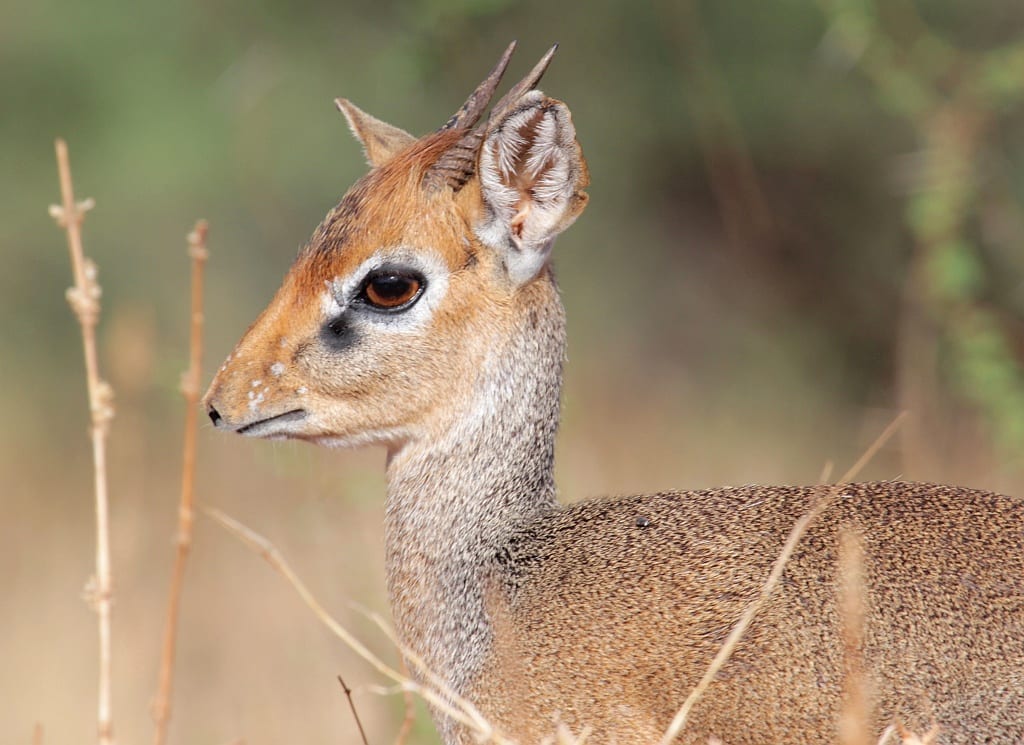
Over seven years, in dry and rainy seasons, we counted and mapped six species in and around Tarangire National Park and the neighbouring Manyara Ranch Conservancy, including unprotected village lands. The species ranged from the massive giraffe down to the little dik-dik (both eat the leaves of trees and bushes), the large, water-loving waterbuck, which eats grass, and three medium-sized antelopes that eat both: impala, Thomson’s gazelle and Grant’s gazelle. We looked at how each species used an area depending on the type and greenness of the plants, how thick the bushes were (where lions often lurk), and how far it was from rivers (which provide vital drinking water but also hide predators) and from cattle herders’ settlements (more disturbance by people, but the people also keep predators away).
Food mattered for every species, and being near year-round rivers mattered for most, though not all. Some species seemed to tolerate people and even gathered close to herders’ settlements, probably because there are fewer predators there. Antelopes that eat both grass and leaves could avoid busy human areas and still find enough to eat. Importantly, where the animals were and how many of them there were changed with short- and long-term differences in rainfall, which suggests they are vulnerable to drought.
“We show that the focus of research and management should be directed towards the Tarangire Ecosystem’s free-flowing rivers and associated habitat along those rivers,” said Derek Lee, the study’s senior author. In dry landscapes like East African savannas, people take more and more of the water, so protecting rivers where people live, and making sure wildlife can still reach them, comes first for conservation. Another key finding was that traditional cattle herders and some ungulate species can share the same space, as long as the human impact stays fairly low.