Giraffe social communities are important to giraffe populations
Female Masai giraffes live in distinct social communities of up to 90 other friends, and although the areas used by these ‘girl gangs’ often overlap, they have very different rates of reproduction and calf survival. This means the girl gangs may be important units in giraffe evolution. We published these findings this week in the Journal of Wildlife Management, together with Penn State University, as part of one of the largest giraffe studies in the world. “We used social network analysis of hundreds of females and discovered this girl gang social organization from the giraffe’s own preference and avoidance behaviors,” says Derek Lee of Penn State, senior author of the study. In other words, the gangs came out of a map of which females chose to spend time together and which avoided each other. “Gang membership was pretty tight, and even though members of different girl gangs often spent time in the same areas, members of different communities rarely interacted with each other.”
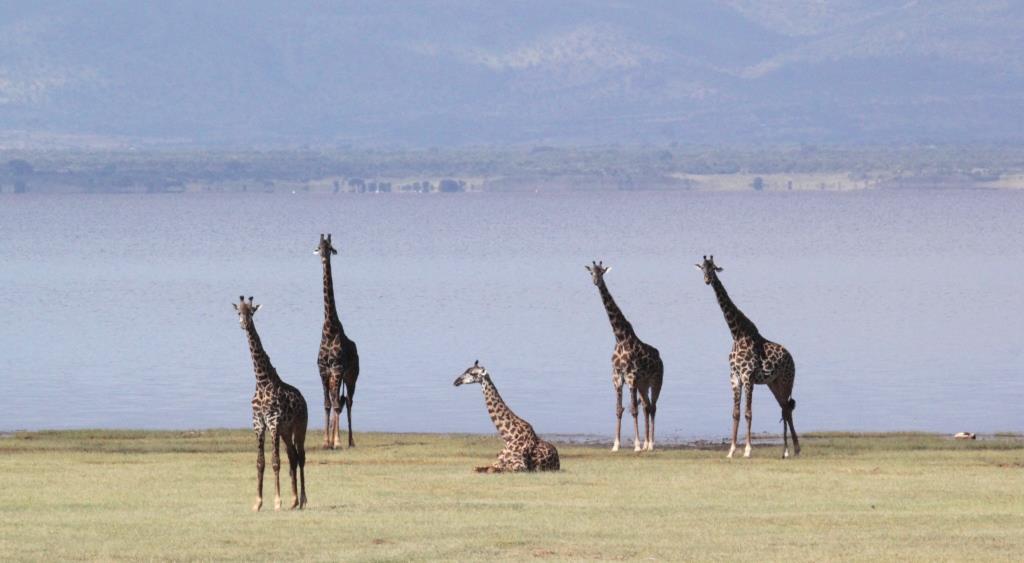
We also found that calf survival and the number of calves born differed between these communities, even when their home ranges overlapped and they lived in much the same conditions. “This shows that population structure can arise from social behavior rather than discrete space use,” says Monica Bond, who led the study: a population can be divided by friendships, not only by where animals live. “These social subpopulations have different survival and reproductive rates, so some might have greater competitive abilities than others, like being able to dominate the better-quality food, or there might be cultural differences such as having better strategies for protecting their calves from predators.”
Each gang had its own social character, for example in how strong the relationships among its members were. The gangs also lived in quite different surroundings. The Tarangire region of northern Tanzania, where we work, includes two national parks, a livestock and ecotourism ranch, and unprotected land used by traditional cattle herders, as well as several busy towns surrounded by farmland. So we wondered how these environmental and social conditions might affect survival and reproduction. “Survival and reproduction together determine whether a wildlife population (or subpopulation like a specific girl gang) increases or decreases and is therefore absolutely critical for conservation,” says Lee.
We worked out the survival of more than 1,400 adult females and calves, and the number of calves per female each year, and compared the 10 social communities. Then we asked whether the differences were explained by social factors, such as how strong relationships were, or by the environment, such as how close to people the giraffes roamed, how fertile the soil was, or the kind of vegetation in their ranges. Adult females survived equally well in all communities; the differences were in the calves, and they were linked to the environment, not to how close the friendships were.
Calves survived better in communities with less thick bushland in their ranges, possibly because lions like to hunt in such thickets, where they can stalk their prey unseen. “We also found that calf survival and reproductive rates were higher in the social communities that spent more time outside of the national parks,” says Monica, probably because there are fewer lions and hyenas near where people live. Some areas outside the parks also have more fertile volcanic soils, and so possibly more nutritious food.
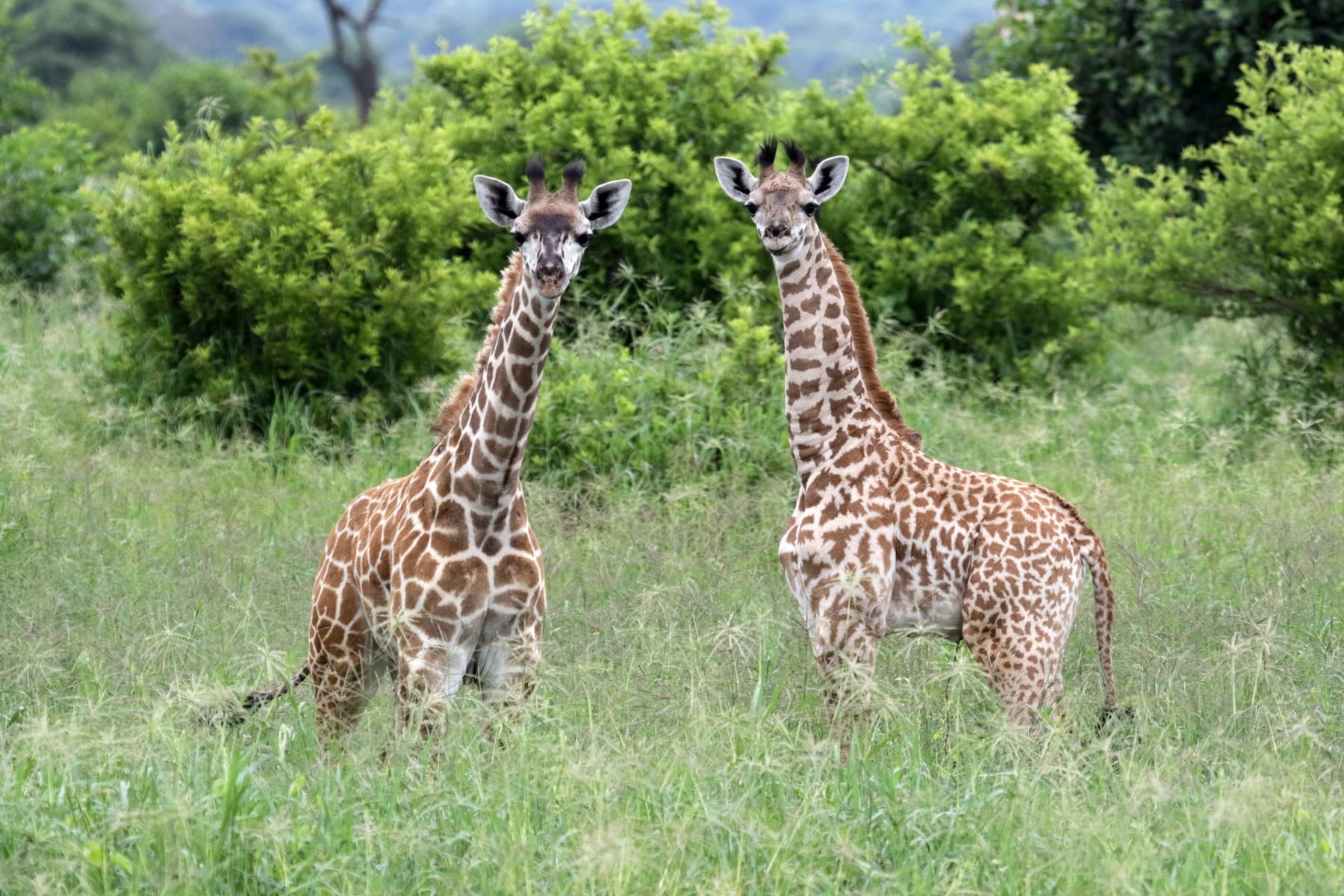
“The good news for conservation is that giraffes can survive and raise their offspring in areas close to people,” Lee points out. “We can help giraffes to thrive by giving them enough living space in the savanna—both inside and outside of national parks—and by taking care not to disturb them and disrupt their social relationships.”
This work is part of our Masai giraffe project.